

Fernando Blanco de Lema was born on October 18, 1796, in Cee. Before his first birthday, his father passed away, and he was raised by his cousin and godfather, Fernando Blanco Giance, a priest in San Xoán de Mazaricos. In 1809, during the Spanish War of Independence, his guardian was assassinated by Napoleonic troops. After this tragic event, his mother sent him and his two brothers to Ferrol. At the age of 13, Fernando decided to leave the city and emigrate to Cuba, where he began working in a grocery store before launching his own hardware business. He opened several stores across the island and built a considerable fortune.
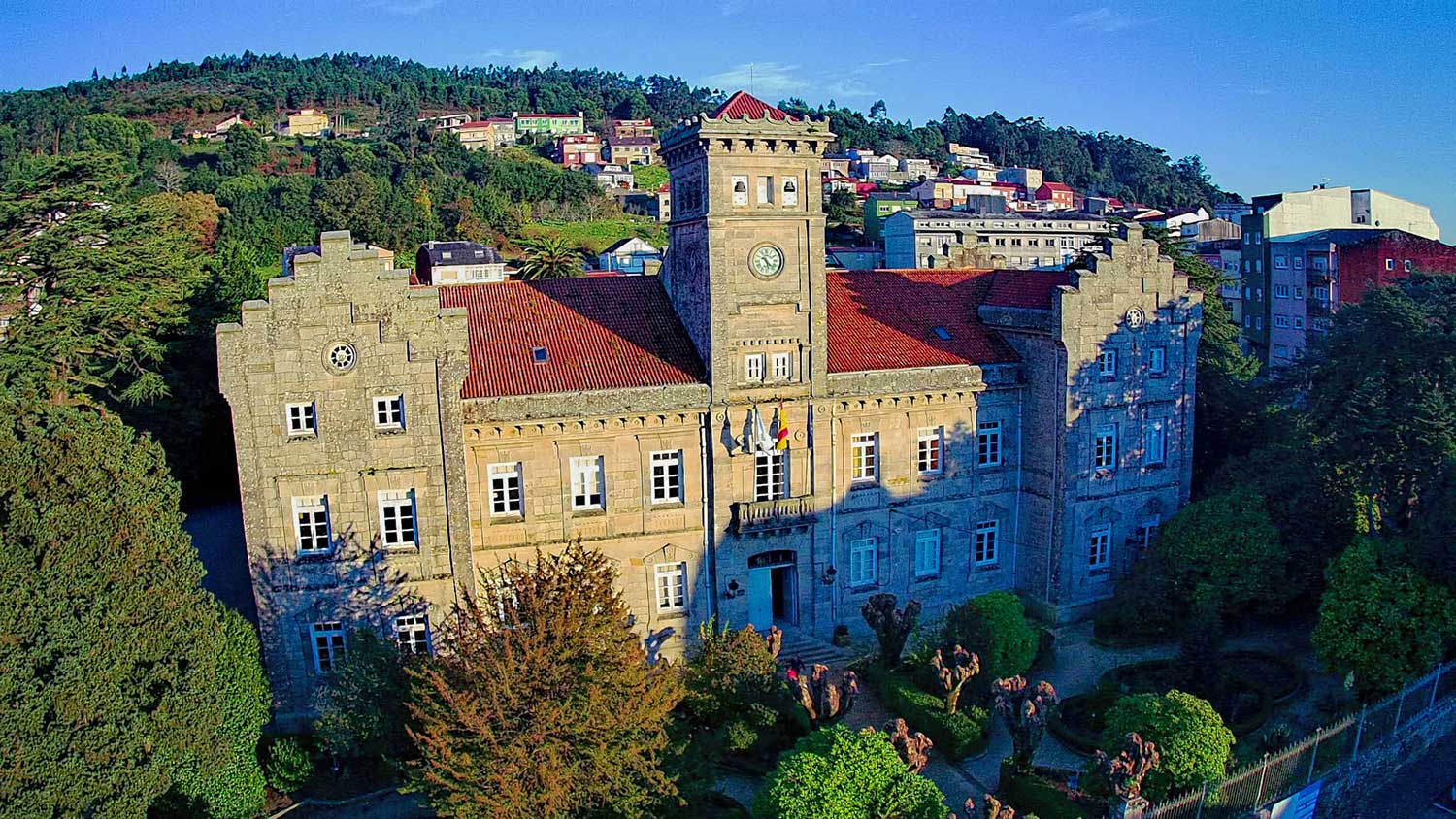
Just two days before his death, on April 3, 1875, Fernando Blanco wrote his will. He stated that he was unmarried and had no children, and he expressed his desire to invest his wealth—valued at 750,000 gold pesos—in the creation and maintenance of a primary and secondary education school in his hometown of Cee. This marked the beginning of what would become the Fernando Blanco de Lema Institute and Foundation. Between August 2, 1880, and May 6, 1884, the building was erected at the foot of Monte de la Armada, becoming a cornerstone of the town’s educational and cultural development.
The academic journey officially began on October 2, 1886, when Don Dionisio Barreda, professor at the University of Valladolid and the first director of the institute, gave a speech inaugurating the first school year. Today, the Fernando Blanco de Lema Institute complex includes not only the school itself but also a beautiful botanical garden and a monument unveiled on October 13, 1973, in honor of the generous philanthropist who forever changed the future of Cee through education and progress.