Ponte Olveira

Civil architecture
Dumbría

Find out more about Ponte Olveira

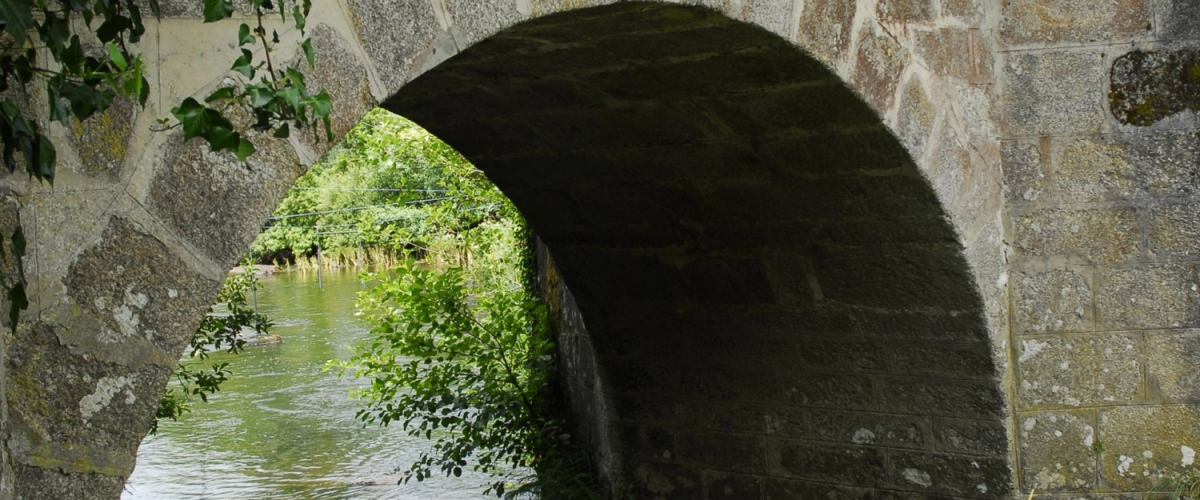
It was possibly built in the sixteenth century on the bed of the Xallas River. Made of carved stone, with three semicircular arches seven meters high and twelve meters wide, it has four cutwaters. Originally it had sidings for passers-by above the cutwaters.

During the War of Independence, on April 12, 1809, a hard confrontation took place with the French at Ponte Olveira, to prevent them from crossing the bridge. The French, more and better armed, won and in retaliation beheaded the leaders, the priests of Mazaricos and Colúns, in A Picota.
Ver vídeo de Ponte Olveira

Lighthouses, rivers, beaches and much more on the Costa da Morte

Other places of interest in Dumbría

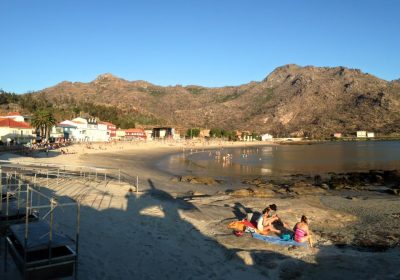
O Ézaro (Dumbría)
The beach of O Ézaro is another of the points to discover on this coast. It has ...
Curso Bajo, Cascadas y Desembocadura del Ría Xallas (Dumbría)
A Site of Spanish Geological Interest of International Relevance (also defined a...
Dolmen Pedra da Arca de Regoelle
The Dolmen of Pedra da Arca is also known as the Dolmen of Regoelle. It has a po...
Mount Pindus. Traces of history. Dumbría
Route: Linear Start/finish point: Aldea de Fieiro / A Moa Length: 4.00 km (one w...
Fervenza do Ézaro
It is located about 700 m east of the centre of O Ézaro, next to the Castrelo hy...
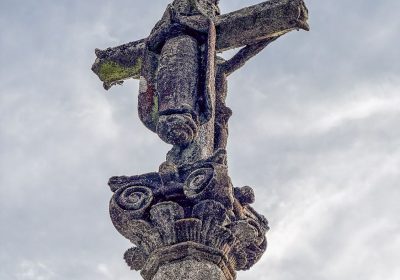
Berdeogas Wayside Cross
In A Grixa (Dumbría, A Coruña), just off the Fisterra–Muxía Way, the Cruceiro da...
Vilafernandez Nature Classroom
The Vilafernandez recreational area is located in a unique setting, next to the ...
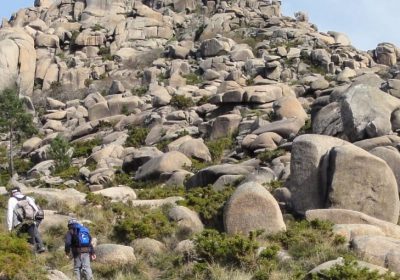
Granitic Forms in the Monte Pindo Massif
The granite of Monte Pindo was formed in the interior of the Earth, about 20 kil...
Cores Cemetery
It is the second municipal cemetery in Dumbría and is next to the municipally-ow...
Festa da Praia do Ézaro de Dumbría
The “Ézaro Beach Party” offers you a completely unique day of sea an...