Coastal Sedimentary Complex (Carnota)

Culture and history, Geological tourism
Carnota

Find out more about Coastal Sedimentary Complex (Carnota)

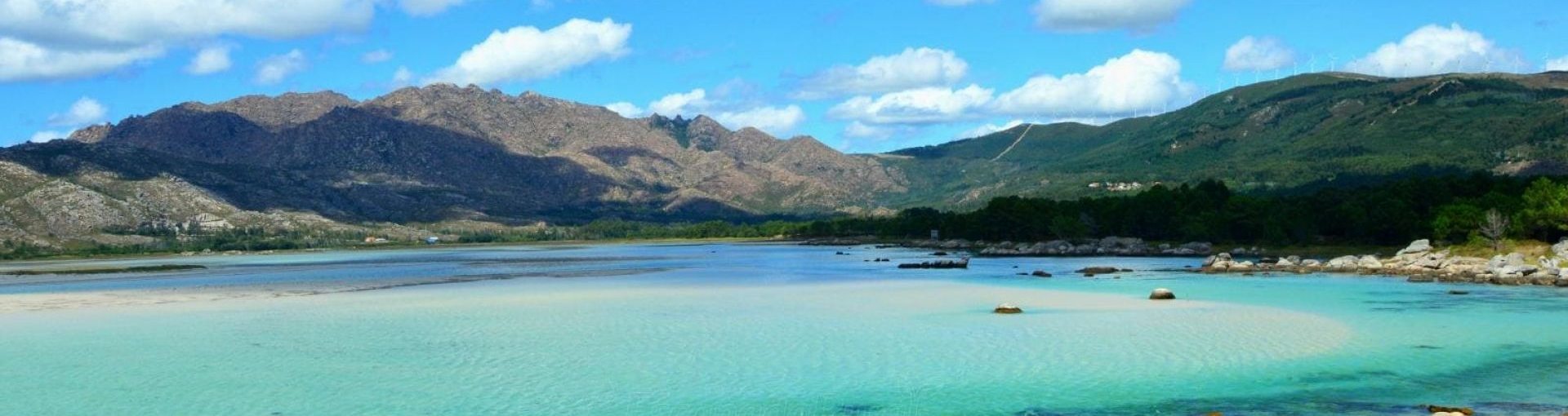
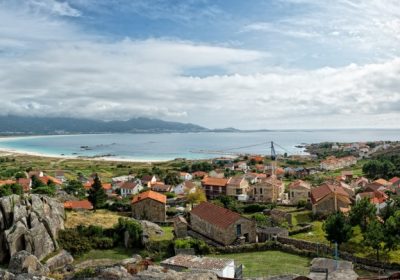
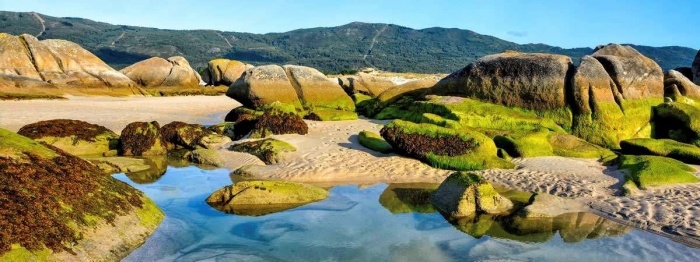
Its 7 kilometres in length make the Carnota beach one of the largest in all of Spain. Throughout its extension we can find a wide variety of coastal forms: beaches, cliffs, ancient soil sedimentary deposits, marshes… In addition, Carnota serves as a refuge for numerous migratory birds, endemic flora and fauna. Because of this, there is an ornithological observatory in the area of the Caldebarcos Marshes, following the course of the Valdebois River from its mouth in A Boca do Río. In addition to being a Site of Geological Interest, this area is part of the Carnota-Monte Pindo SCI, declared a Special Protection Area for Birds.

Lighthouses, rivers, beaches and much more on the Costa da Morte

Other places of interest in Carnota

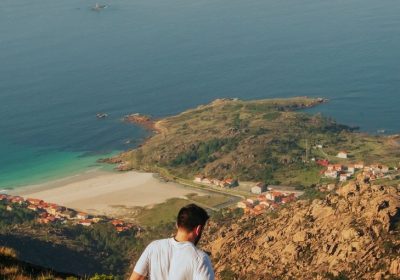
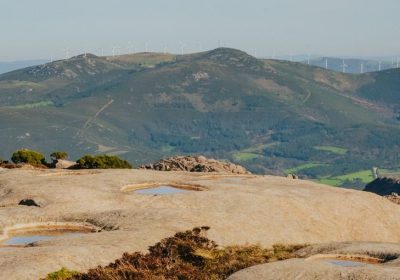
Mount Pindus. Views of the Atlantic
Route: Linear Start/finish point: Church of Pindo – A Moa Length: 4.00 km ...
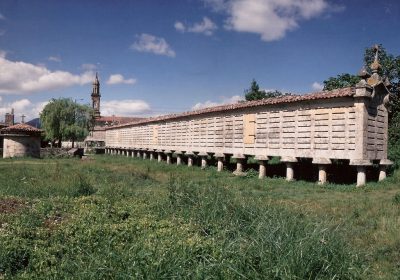
Hórreo de Carnota
It is one of the elements for which Carnota is best known. Recognized as a Natio...
Carnota Open Museum
Route: Linear Start/finish point: Rieiro – Miñarzo (Carnota) Length: 13 km (one ...
Víndemo Ver in Carnota
Víndemo Ver is a local promotion fair that transforms Carnota into a major attra...
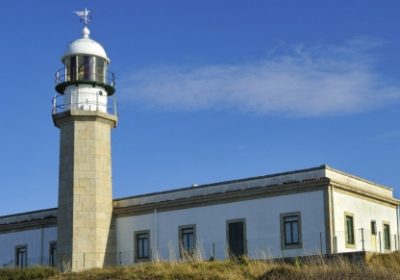
Lariño Lighthouse
Located on a rocky outcrop known as Punta Ínsua, north of Lariño beach. It was ...
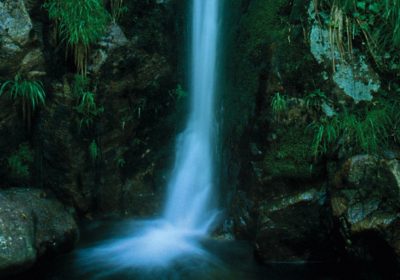
Waterfall das Fontes
This set is made up of seven small waterfalls of the Pedrafigueira River. It is ...
Gastronomic festival of the “Cocido Gallego” in San Mamede
The gastronomy of the Costa da Morte has dishes that transcend our borders and o...
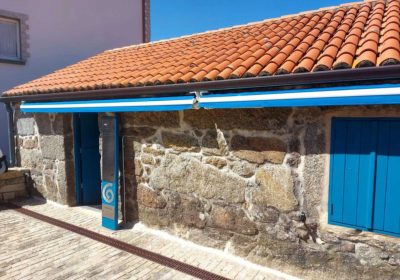
Pepe do Cuco’s Shelter in Carnota
The Caseta de Pepe do Cuco, an old fisherman’s shelter in Carnota, has been tran...
Carnota Beach
Carnota beach, in the shape of a crescent, is a natural space of great beauty an...
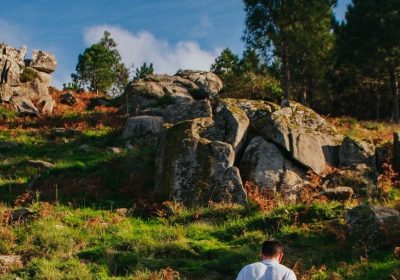
Mount Pindo
A must-see in Carnota, Monte Pindo rises from the sea itself like a 642-metre-hi...