MONTE PINDO, GALICIA’S CELTIC OLYMPUS

Get to know Carnota through “MONTE PINDO, GALICIA’S CELTIC OLYMPUS”. A short read with substance: it puts you on the map and in its time. Tip: look out for monte.
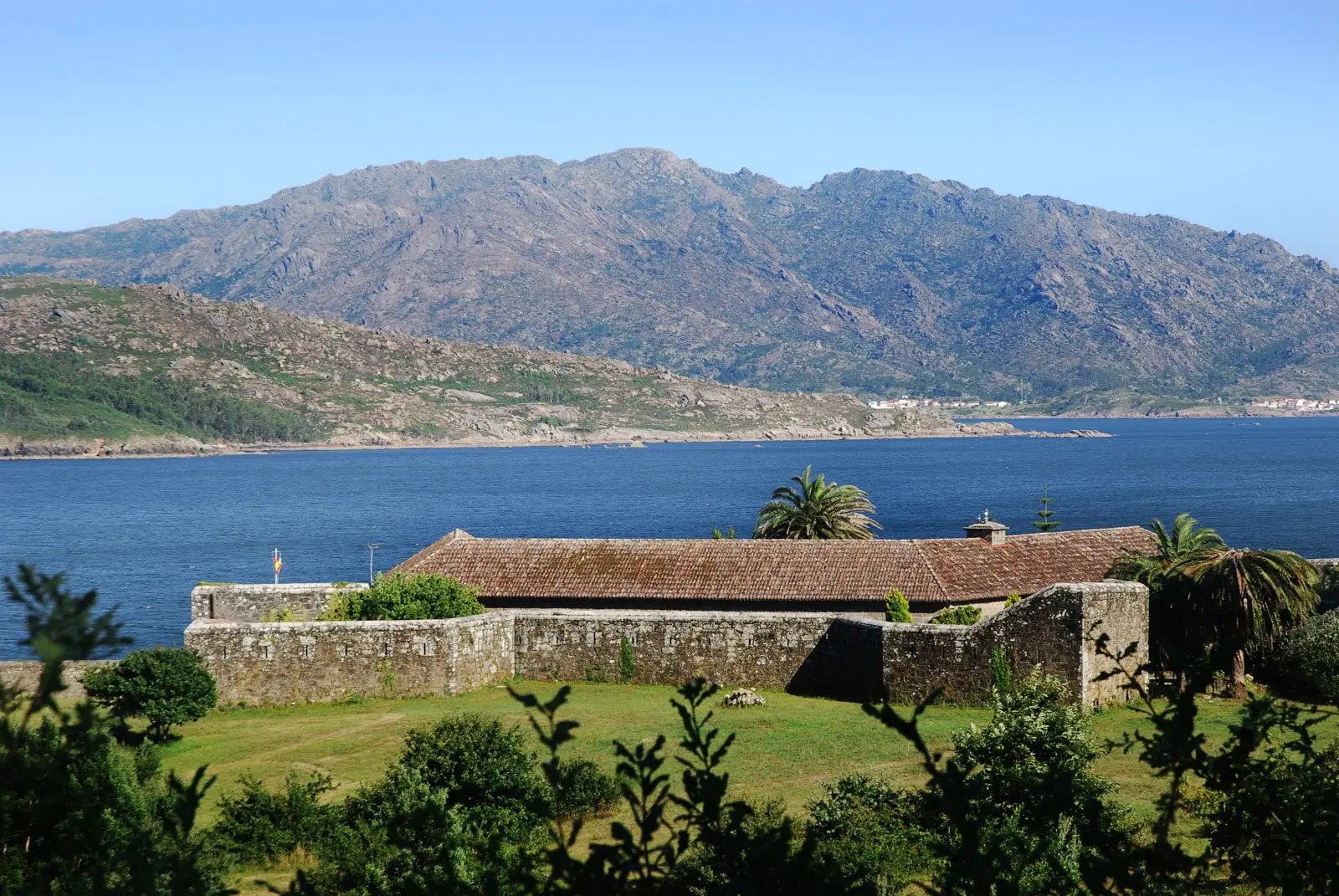
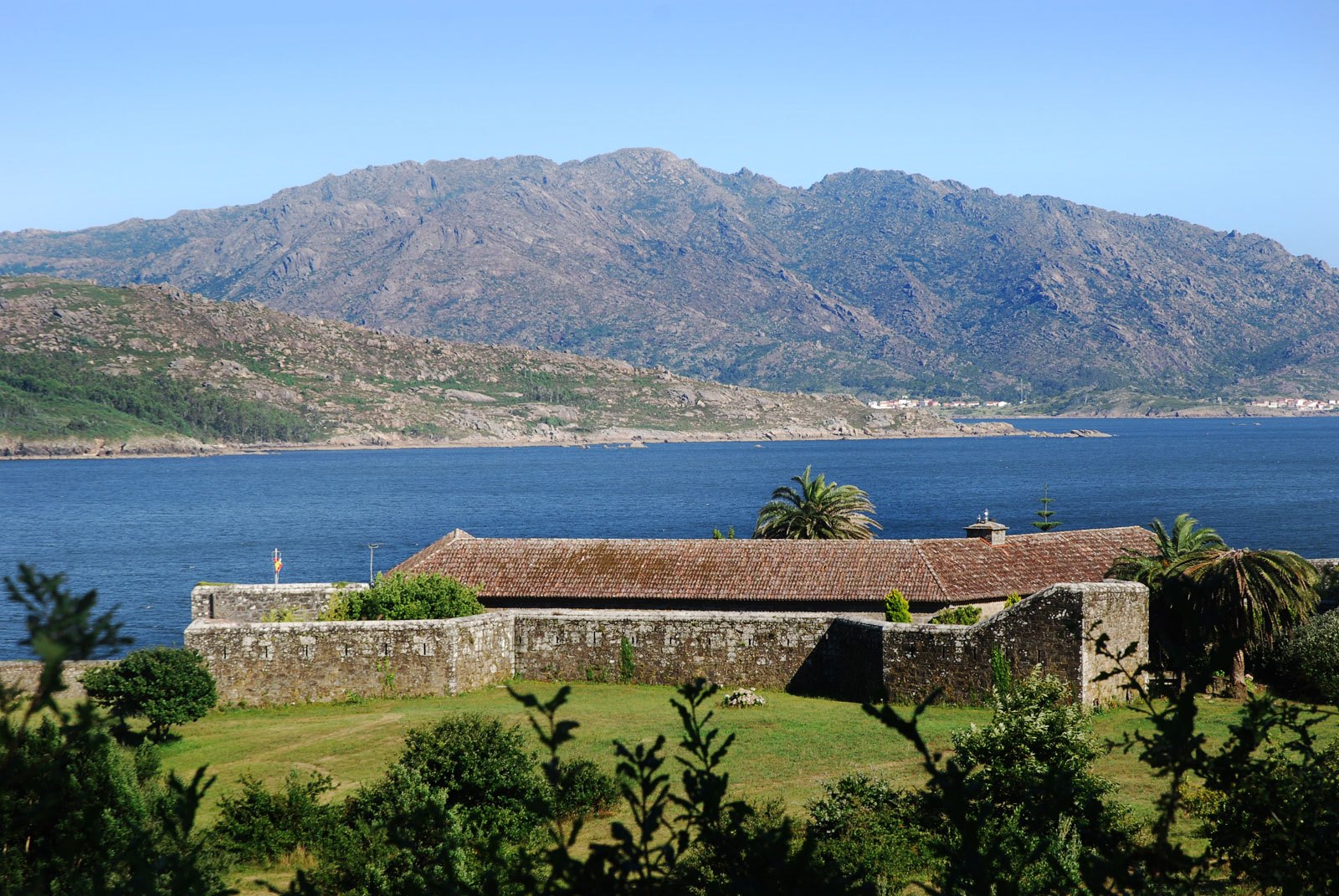
149. Castelo do Cardeal e monte Pindo, ao fondo

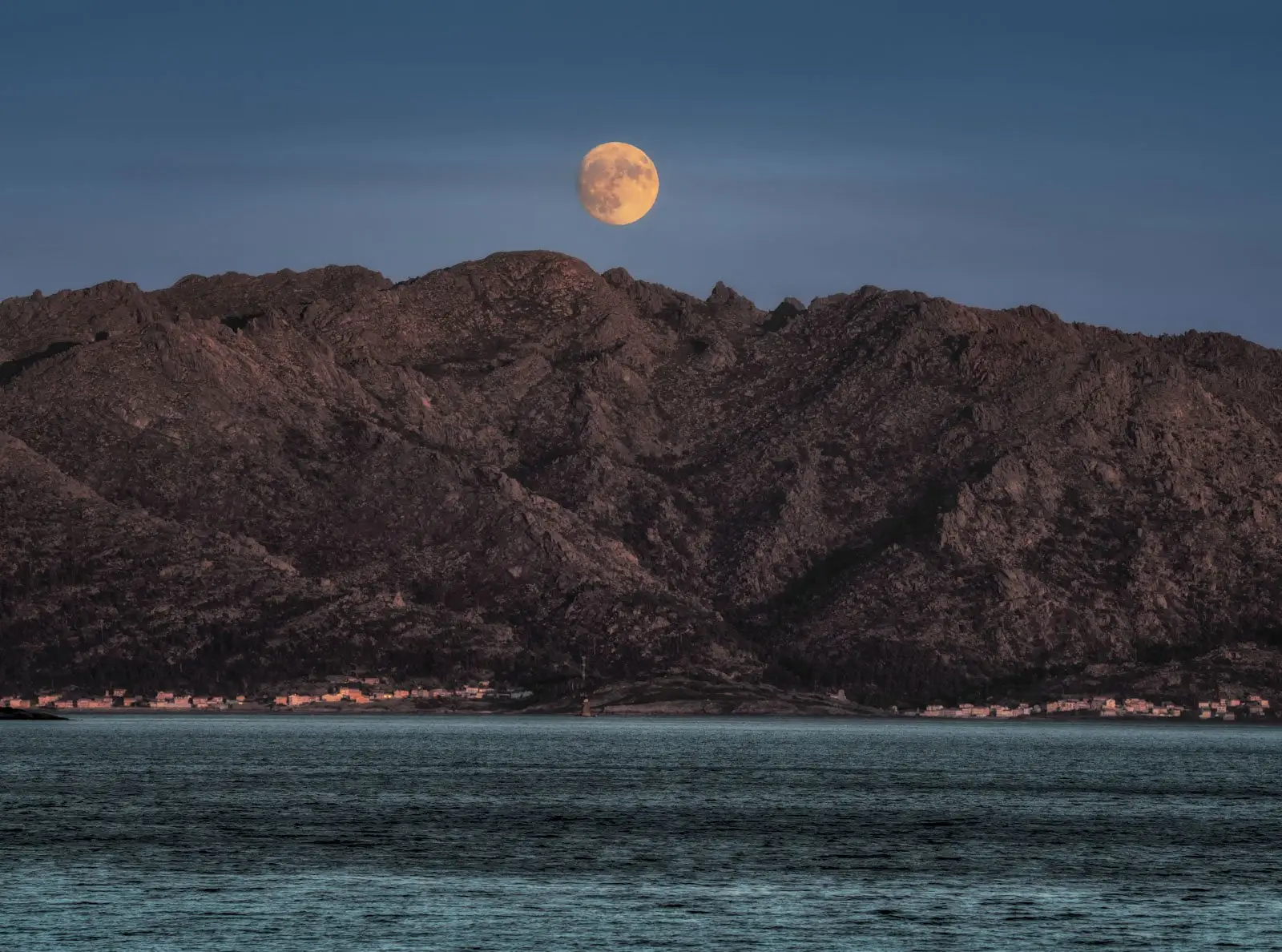
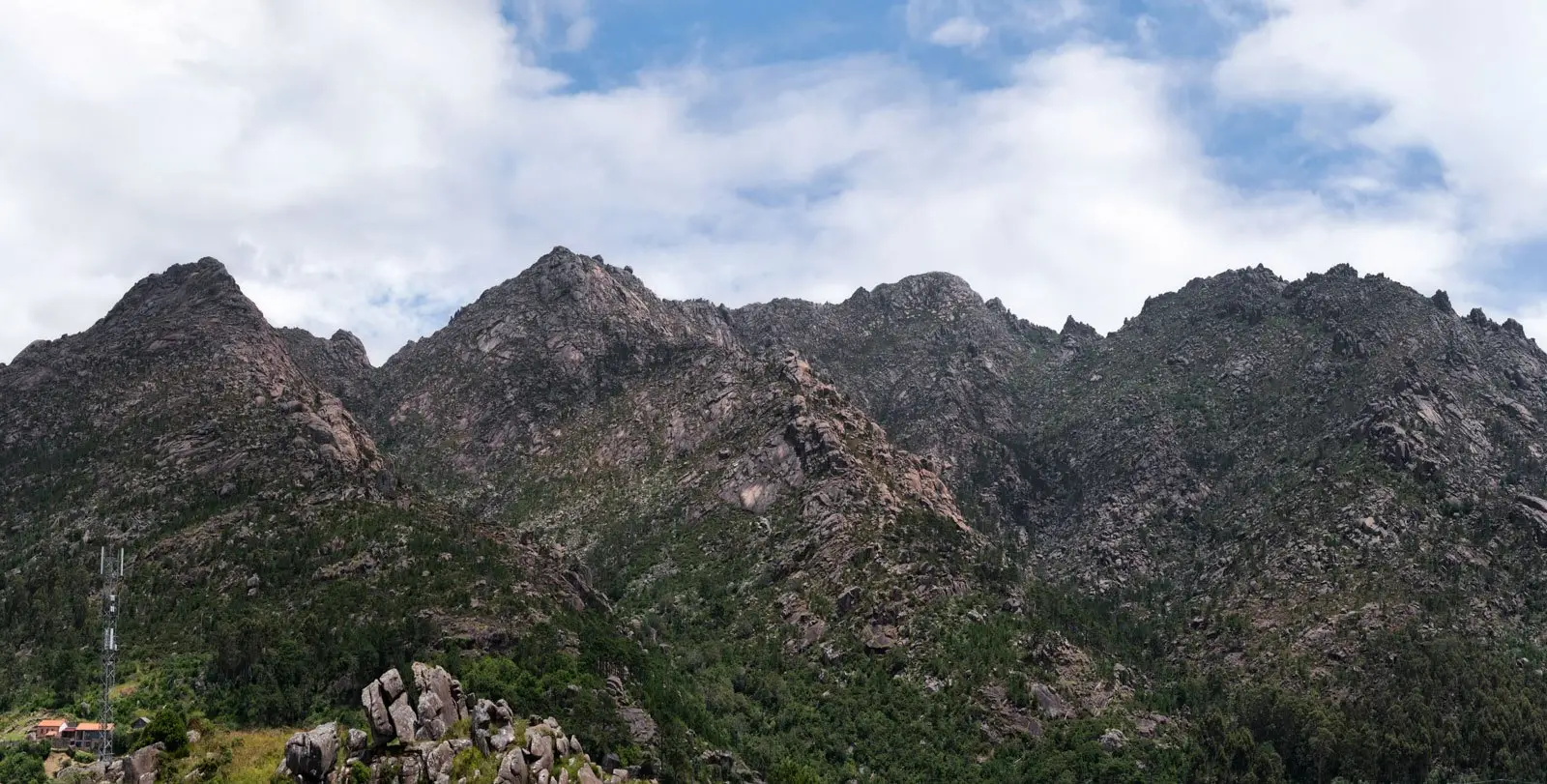
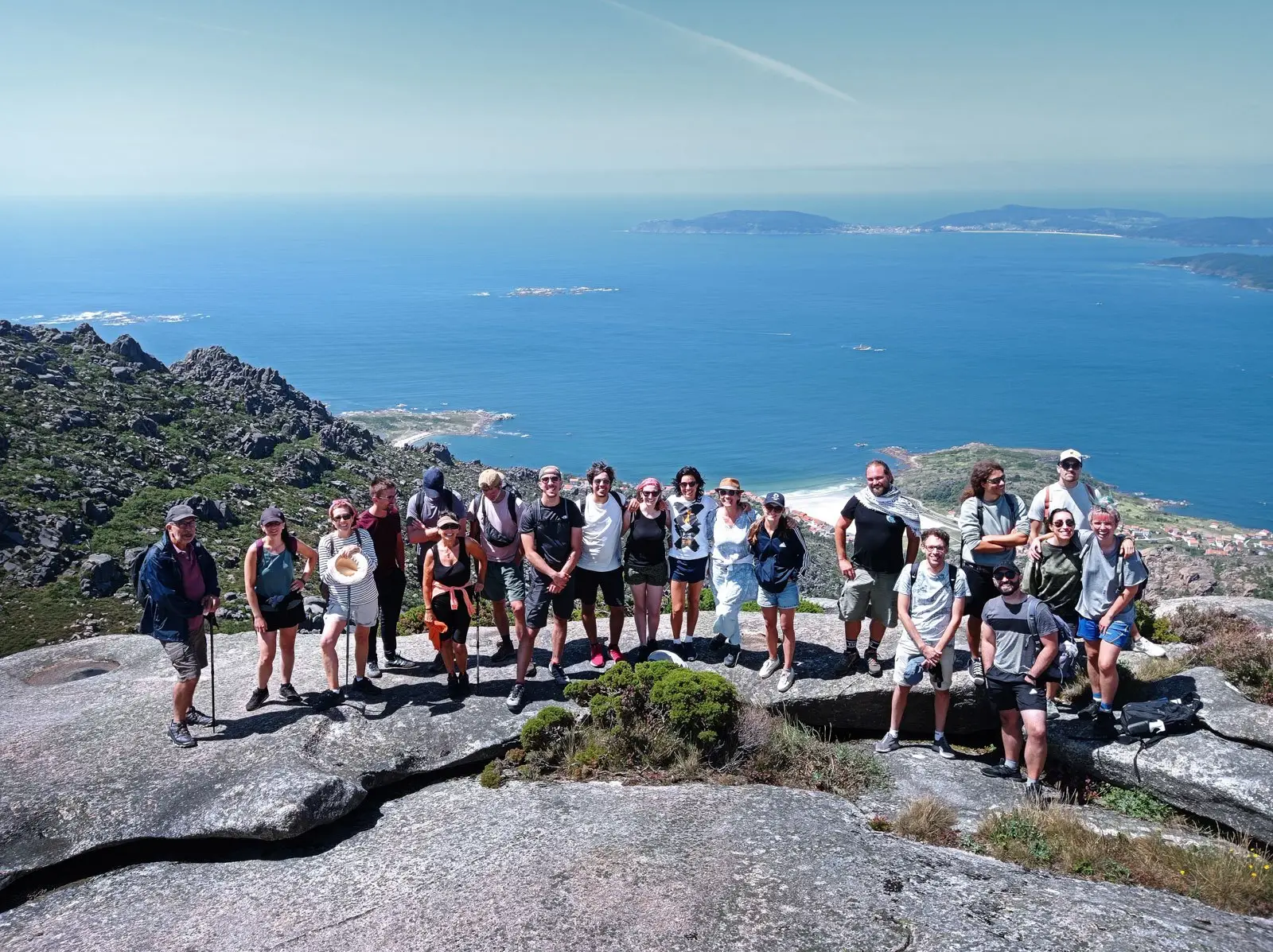
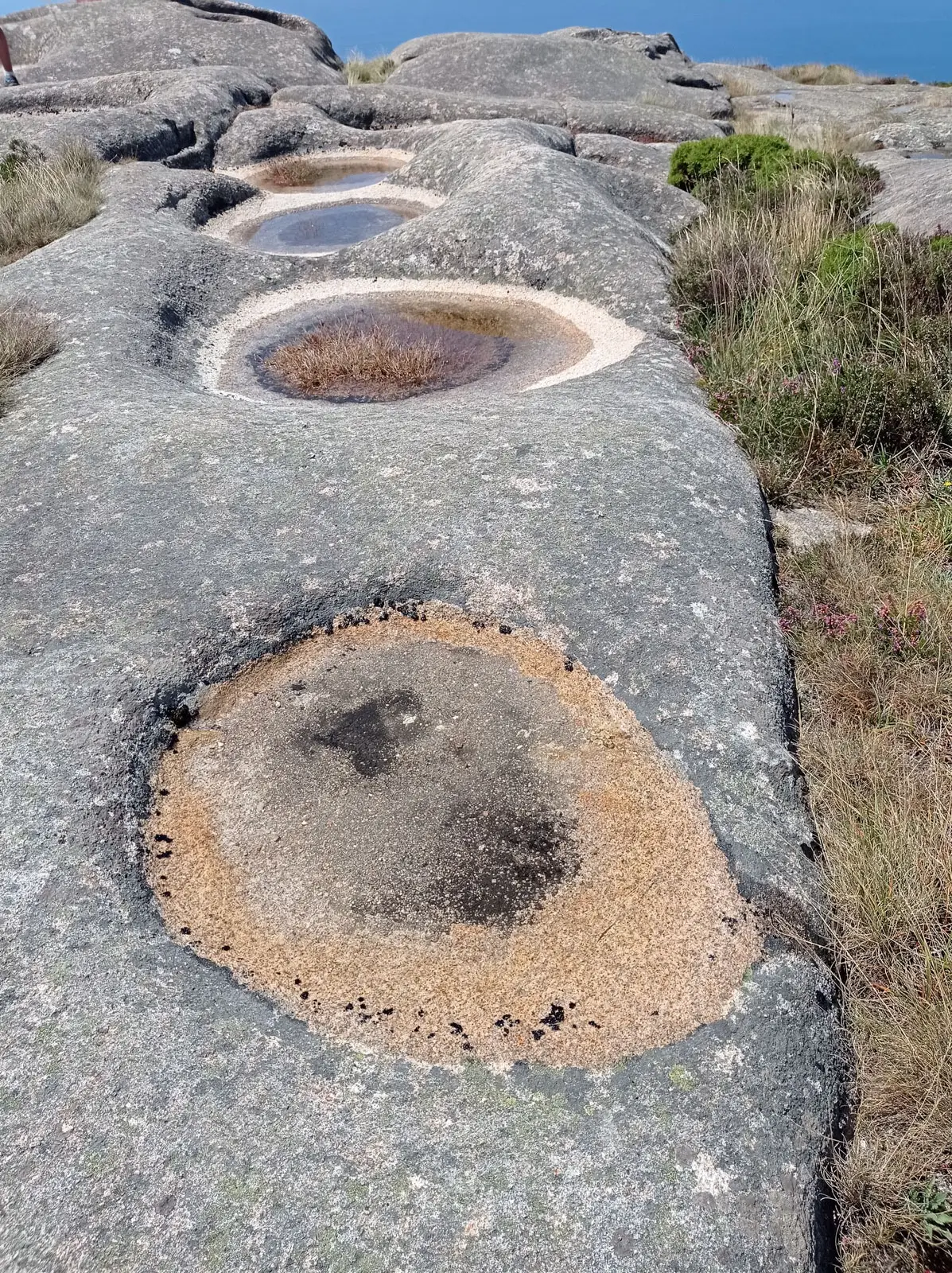
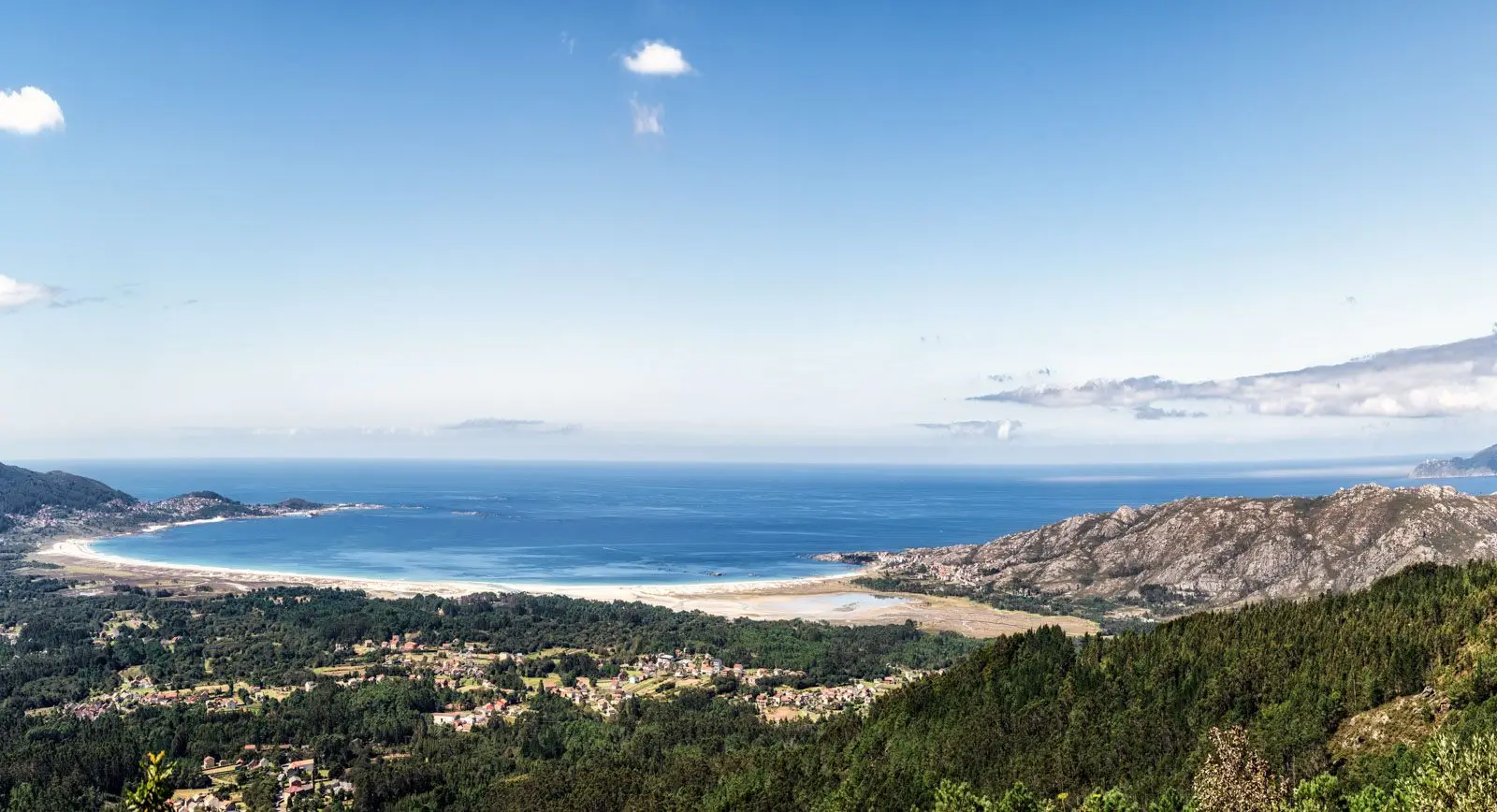
Monte Pindo, known locally as O Pedregal (the stony ground), is such a striking geographical accident that it cannot be ignored by the locals or travellers. It is the most spectacular mountain massif on the coast of Galicia. It is a granite pluton formed in the Hercynian orogeny some 300 million years ago, moulded by subsequent erosive action. It reaches its highest point on Alto da Moa, the Moa heights. (629 m).

The Dumbría topographer Modesto García Quintáns, who knew this mountain well, defined it as “a rocky greyish mass that changes its colour according to the time of day and is oriented north-south. It consists of small indentations, shady valleys and aggressive peaks.” The geographer and writer Otero Pedrayo considered Pindo to be “The mountain, formed of enormous granite masses, that adopts the shape of a great Jupiter’s head.” He gave it the name of the Celtic Olympus.

On this very fractured massif the existence of caverns, caves and ravines is so frequent that, together with steep slopes and closed valleys, they led to a complicated orography that makes it very difficult to move around. It is easy to get lost because of the labyrinthine paths that run over this mountain, especially when fog envelops the high ground and lowers visibility.

Because of its varied and singular morphology, Pindo is a mountain that has lent itself to the creation of legends and tales of all kinds. On his travels through Galicia, Father Sarmiento wrote that “the grass grows considerably overnight, there are infinite medicinal herbs and many unknown ones, that some doctors go there to find; on it, the animals are very fertile and sometimes sterile and infertile couples used to go to Pindo in order to have children”.

There is talk of the existence of several fortresses. According to some scholars, one was on the Penafiel peak, where a mediaeval inscription was discovered: “Kings bishops priests all through powers received from God excommunicated here this castle.” Another was the fortress of San Xurxo, on the Pedrullo heights, further south, built in the 10th century at the time of the Bishop of Santiago Sisnando II, of which part of the walls remained until the second half of the 20th century.

In Chan das Lamas (literally, the plain of mud), to the south of the mountain, Barreiro Barral noted that witches congregated here after leaving the Casa de Xoana (Joanna’s House) cave to go their separate ways and cast a spell on a chosen human. Stories are also told about Alto da Moa. According to these tales, it was surrounded by four concentric walls and here Queen Lupa was buried with 7 million in gold at her feet and another seven at her head.

There are various ways to go up Monte Pindo. The main route starts at the parish church of San Clemente do Pindo. The other goes from the hamlet of Fieiro (Arcos, Mazaricos) and is easier because it starts at an altitude of over 200 m.
Photo gallery of MONTE PINDO, GALICIA’S CELTIC OLYMPUS

Discover the Costa da Morte on our blog

Blog Costa da Morte

BRANDOMIL, THE LARGEST ROMAN SETTLEMENT ON COSTA DA MOR...

It has been said that in the west of Galicia, such as Costa da Morte, the amount of Roman influence was very slight; how...

SOANDRES, AN ANCIENT MONASTERY OVERLOOKING THE RIVER AN...

On high ground above the river Anllóns to the north of Coto de Pedrouzo is Soandres, a large parish in the municipality ...

Tourist Information Points in Costa da Morte 2025: your...

Planning your holiday on the Costa da Morte? With the 2025 Guide to Tourist Information Points in Costa da Morte, you’ll...

Whale watching on the Costa da Morte: a unique experien...

There are moments when nature gives us spectacles that are impossible to forget. One of them is to contemplate a whale s...

ÉZARO WATERFALL, A SPLENDID NATURAL SIGHT

The river Xallas, which takes its name from the district that it crosses, has its sources on the western slopes of Monte...

Easter 2026 on the Costa da Morte: Best Things to See a...

Easter 2026 on the Costa da Morte is one of the best times of the year to discover this Atlantic corner of Galicia. At t...

Eclipse 2026 on the Costa da Morte

As you know, a total solar eclipse occurs because the Moon moves directly in front of the Sun and blocks it from our vie...

“A CIDÁ” HILLFORT, LIFE IN A PREHISTORIC FORTIFIED VILL...

The “A Cidá” fortified settlement in Borneiro (Cabana de Bergantiños), close to the Dombate dolmen, is an excellent exam...

Costa da Morte, Naturally Unique: Starting Today, a Cha...

There are places you can’t understand through a “top 10” list. Places that require time, context, and a careful gaze. Co...

What to do for a weekend in Costa da Morte

If you’re wondering what to do on a weekend in Costa da Morte, here’s a perfect itinerary to discover this little stretc...

Upcoming events on the Costa da Morte

Find out instantly what activities await you on the Costa da Morte. Here you will find an up-to-date list of concerts, fairs, guided tours and shows that take place on the Costa da Morte. Don’t miss any event: experience the culture, sport and tradition of our region. And if you want to find out before anyone else, sign up for our newsletter and you will receive all the news in your email.

  • Monday
    8
    June

    Sacramento Festivities...

    The Sacramento Festivities 2026 in Paiosaco will take place on 6, 7 an...

  • Wednesday
    10
    June

    Rhythmic and aesthetic...

    The Concello de Muxía continues to support sport, culture and young lo...

  • Thursday
    11
    June

    Interim Evaluation For...

    The Interim Evaluation Forum of the GALP Costa da Morte Strategy will ...