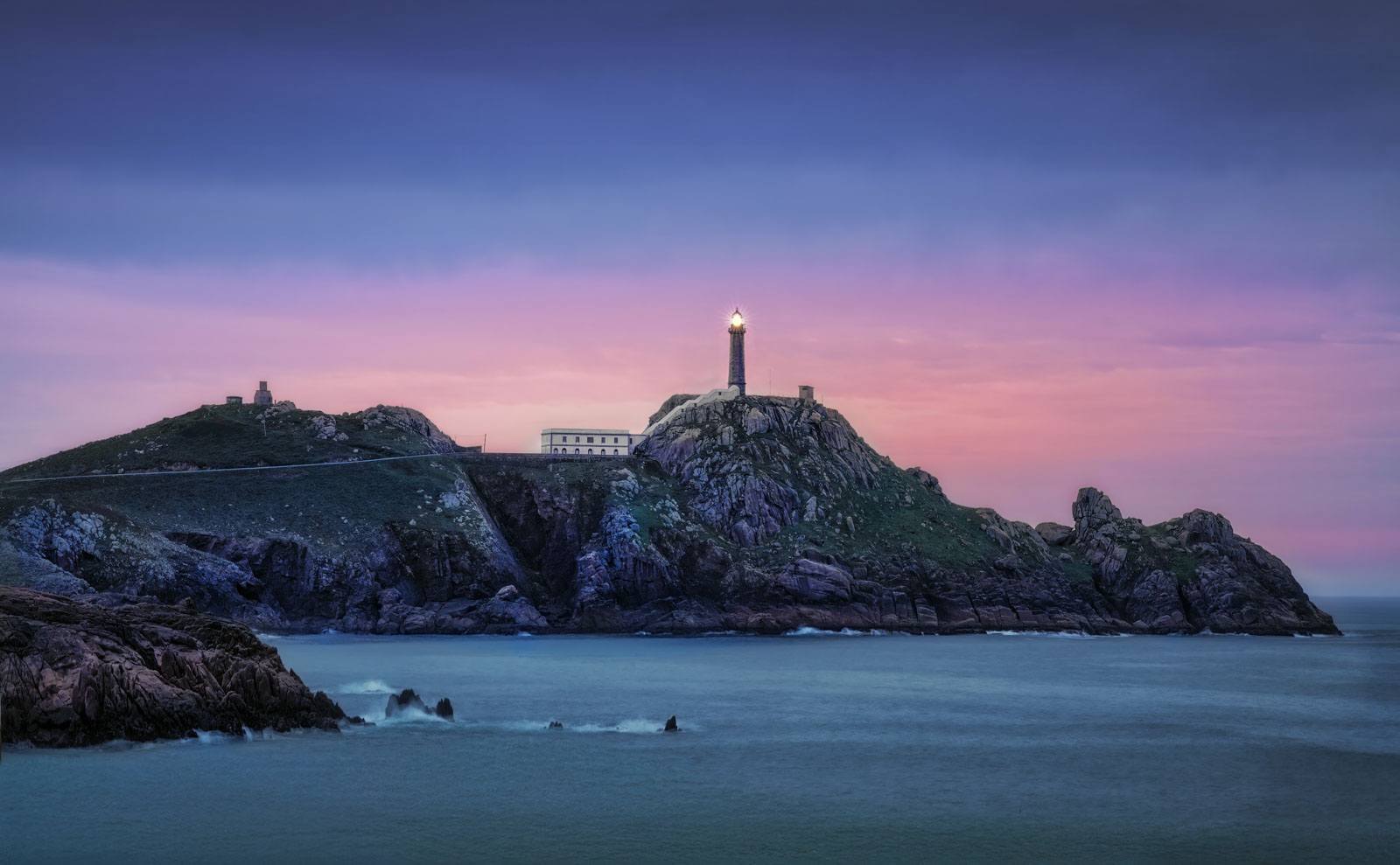
VILÁN LIGHTHOUSE, THE CYCLOPS THAT SHINES EVERY NIGHT

Get to know Camariñas through “VILÁN LIGHTHOUSE, THE CYCLOPS THAT SHINES EVERY NIGHT”. Read it slowly: it’ll help you see the place with fresh eyes. Tip: look out for vilan.
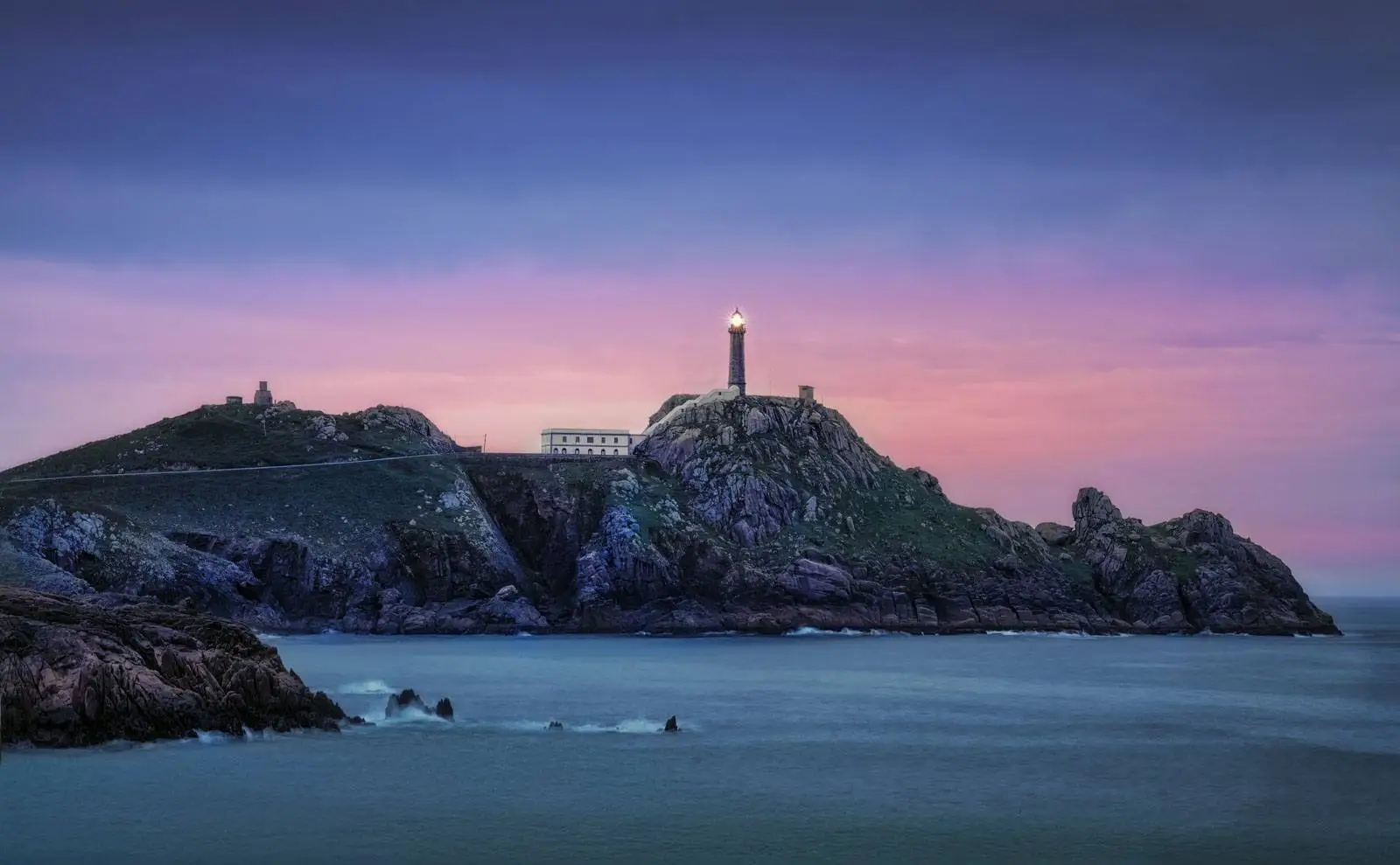
114. Cabo e faro Vilán ao solpor

At a time when no other coastal town in the area had electric lighting, the brilliance of the light of the Vilan lighthouse had an extraordinary effect on the people of the region. Its powerful beam caught the attention of the writer Enrique Labarta Pose, from Baio, who wrote about it in one of his stories at the beginning of the 20th century.

Because of the dangers on that section of the coast, where low but steep cliffs abound and many shipwrecks have occurred, Cape Vilan was one of the places where the first three lighthouses on Costa da Morte were built, together with the Sisargas islands and Fisterra.

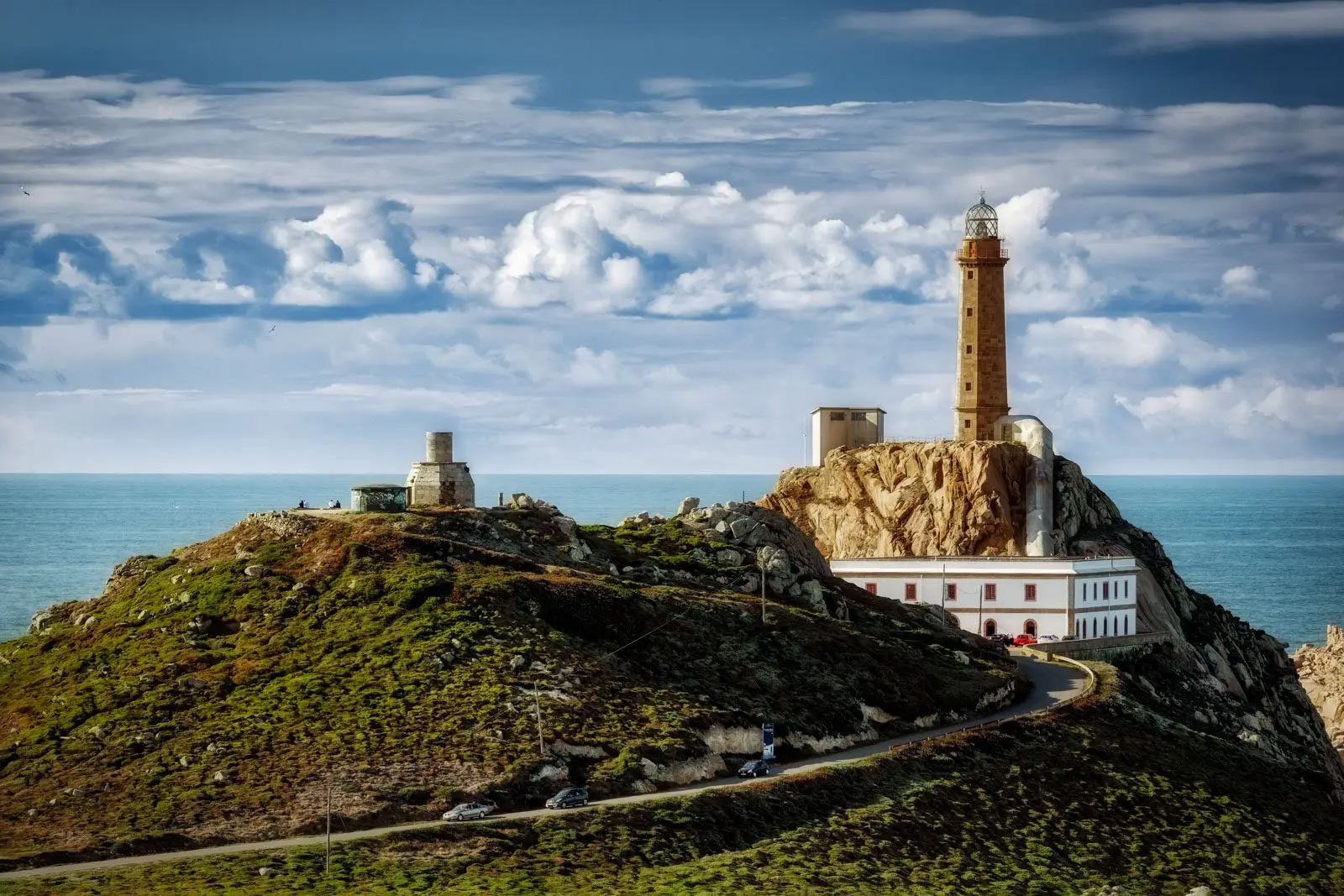
The old lighthouse was built in 1854, a badly designed construction due to its unsuitable location and the limited light output. For this reason, some years later, it was necessary to build a new, taller lighthouse with a more powerful light on high ground further north, the new Vilán lighthouse. The project engineers were Francisco Lizárraga and Adolfo Pequeño, and it came into operation in 1896.

The octagonal tower finished in slabs of pink granite from the Pena Maior quarry, together with the light, rises 24 m above the ground and 104 m above sea level. Owing to a lack of space around the tower, the living quarters for the lighthouse keepers and the machine room had to be built on an esplanade further down.

The new Vilán was the first lighthouse in Spain to use electricity, which was produced by two steam engines. After electricity from the grid arrived there in 1924, the machine house was demolished, leaving the esplanade in front of the living quarters that still remains today.

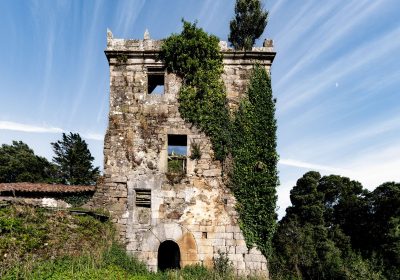
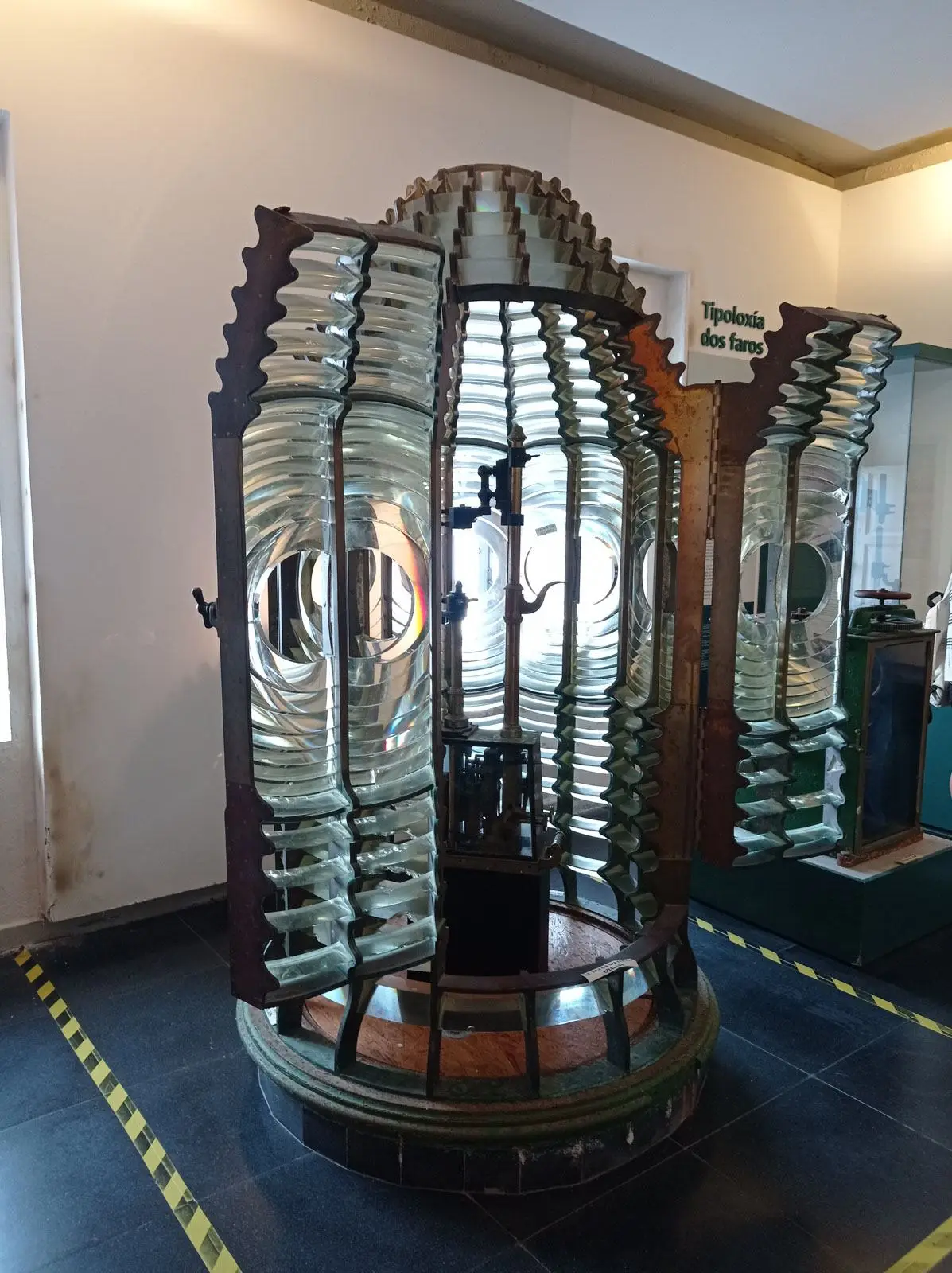
With the passage of time, new services were added to the lighthouse, such as the radio beacon (1922), which transmitted a signal in Morse code matching the light signal, and the installation of a foghorn and a new optic and light (1962). With some of the machines or mechanisms that were removed during the renovations, a small museum open to the public was created on the ground floor. Part of the tower of the original Vilán lighthouse still stands on the hill to the south of the esplanade. From here there is a magnificent view of the new lighthouse and the entire coast.

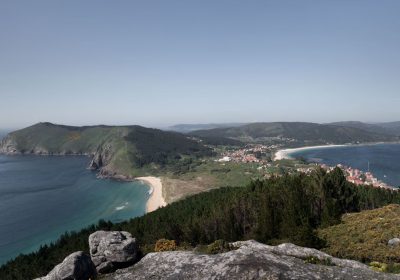
On returning to Cape Vilán, it is strongly recommended to take the dirt track to the English Cemetery, which offers superb views of the cape and lighthouse, one of the most beautiful sections of the Galician coast. The cemetery was built to bury the bodies which the sea dragged to the coast from the wreck of the English ship The Serpent, which was battered against the cliffs of the Boi Point on 10 November 1890, in which 173 crew members of the 176 on board lost their lives.
Photo gallery of VILÁN LIGHTHOUSE, THE CYCLOPS THAT SHINES EVERY NIGHT

Discover the Costa da Morte on our blog

Blog Costa da Morte

BRAZAL ROCK, NATURE’S BALANCING ACT

Nature has been very generous with Costa da Morte, leaving outstanding natural monuments sculpted with the chisels of wa...

REFUXIO DE VERDES, FILLED WITH THE BEAUTY OF NATURE

The river Anllóns, that silver snake that crosses the district of Bergatiños from east to west, after passing through th...

CAPE FISTERRA, THE LAST STOP ON THE WAY TO BEYOND

Travellers who go to cape Fisterra and look out at the sea without knowing that the American continent is over there wil...

Festivities and traditional events on the Costa da Mort...

If there is one thing that defines the Costa da Morte, apart from its wild landscapes and untamed sea, it is its strong ...

Costa da Morte, Naturally Unique: Starting Today, a Cha...

There are places you can’t understand through a “top 10” list. Places that require time, context, and a careful gaze. Co...

A PENELA AND RIOBÓ, HISTORY AND ART IN SILENCE

There are places on Costa da Morte that still preserve their precious heritage but, far from the main lines of communica...

CORCUBIÓN, THE FEUDAL VILLAGE AND PORT OF THE ALTAMIRA ...

The town of Corcubión, today the main town of this small municipality, was the administrative centre of the domain over ...

CEE, THE FIRST INDUSTRIAL TOWN ON COSTA DA MORTE

The town of Cee, which stands at the head of the Corcubión ría, has a long history that starts in the 12th century when ...

What gastronomic festivals are there in Costa da Morte?

Are you wondering what gastronomic festivals are held in Costa da Morte? Here’s the complete selection! Gastronomy is...

CORME, THE TOWN WHERE GOOSE BARNACLES PUT ON THEIR FINE...

Corme Porto owes its existence to the favourable conditions in the bay on which the port is located, allowing the popula...

Upcoming events on the Costa da Morte

Find out instantly what activities await you on the Costa da Morte. Here you will find an up-to-date list of concerts, fairs, guided tours and shows that take place on the Costa da Morte. Don’t miss any event: experience the culture, sport and tradition of our region. And if you want to find out before anyone else, sign up for our newsletter and you will receive all the news in your email.

  • Monday
    8
    June

    Sacramento Festivities...

    The Sacramento Festivities 2026 in Paiosaco will take place on 6, 7 an...

  • Wednesday
    10
    June

    Rhythmic and aesthetic...

    The Concello de Muxía continues to support sport, culture and young lo...

  • Thursday
    11
    June

    Interim Evaluation For...

    The Interim Evaluation Forum of the GALP Costa da Morte Strategy will ...