Pedra Vixía (Zas)

Culture and history, Megalithism, Prehistory
Zas

Find out more about Pedra Vixía (Zas)

The Forest Watcher

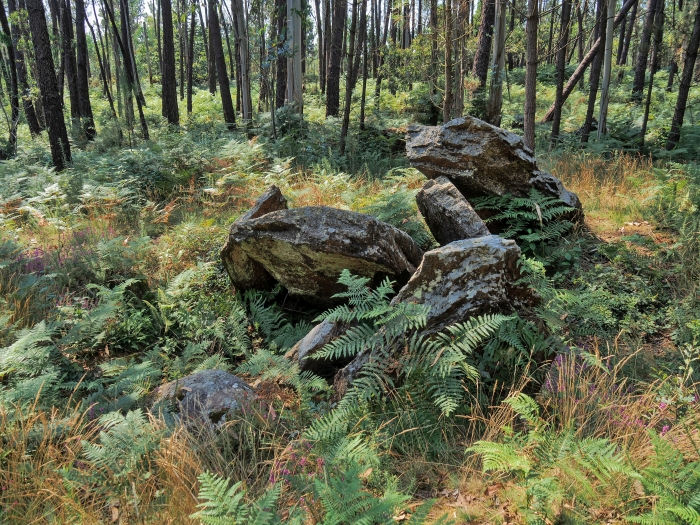
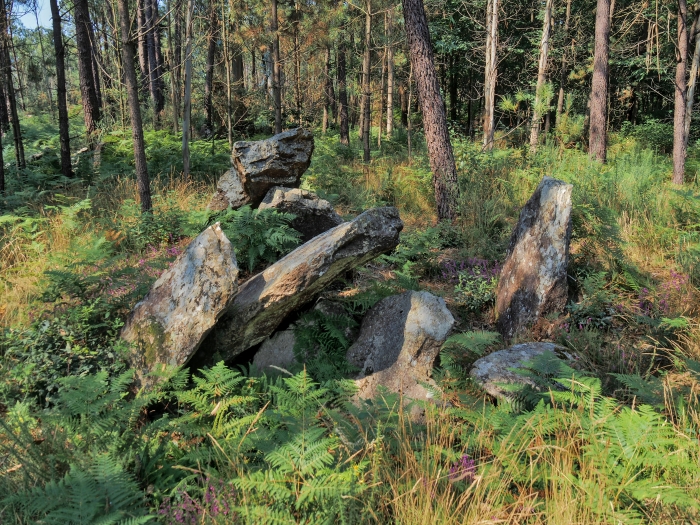
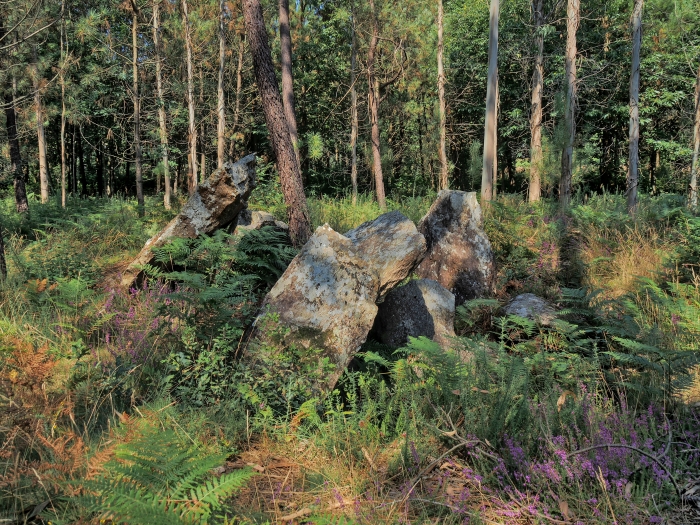
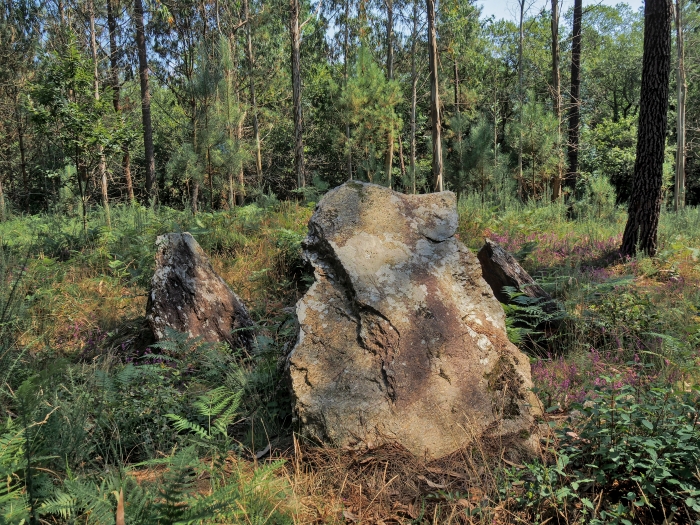
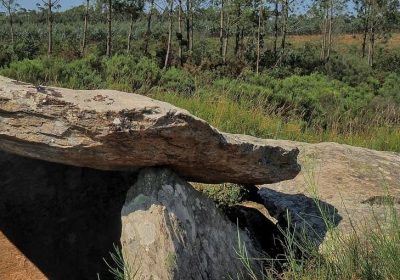
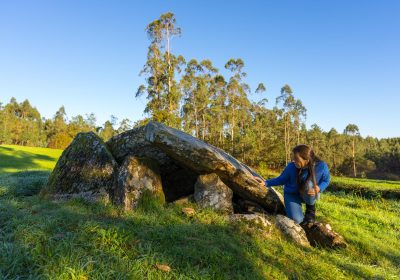
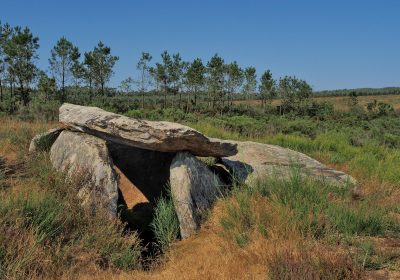
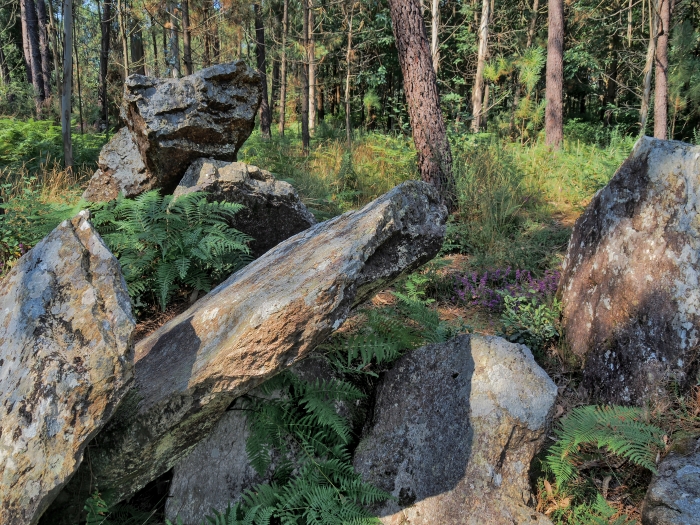
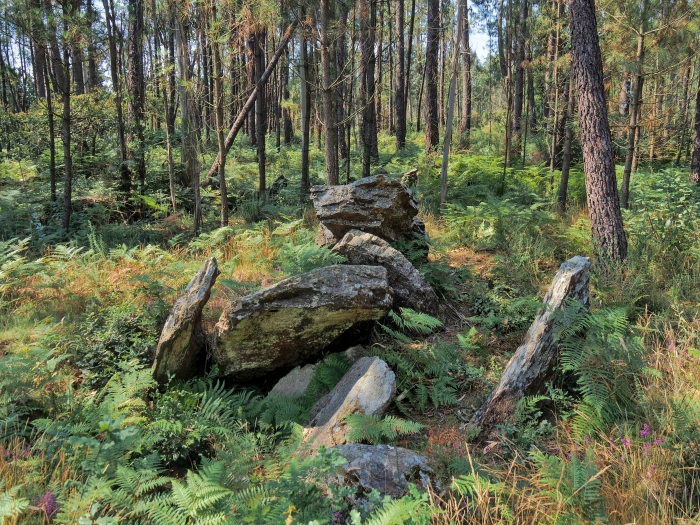
In the middle of a pine forest and almost hidden by vegetation is the dolmen of Pedra Vixía. Nearby, just 300 metres away, is the well-known recreational area of the same name located next to the Zas River.

It is a large megalith with a chamber and corridor that, at present, is quite altered due to the displacement of a large part of its slabs, both the roof and the vertical stones. The cause seems to have been a neighbor of Lamas who, in the 1950s, wanted to use the dolmen as a construction material for his house.

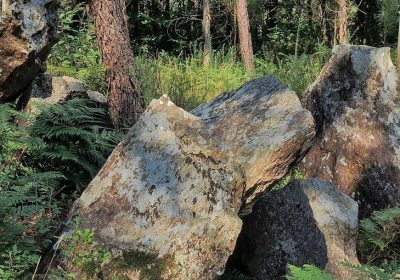
However, the megalith still retains much of its megalithic structure with seven vertical granite slabs, which would form a polygonal, almost circular chamber. The largest reaches 2 meters high and 1.30 meters wide. We are therefore facing a truly monumental dolmen.
Lighthouses, rivers, beaches and much more on the Costa da Morte

Other places of interest in Zas

Carballeira da Devesa de Baio
A natural area of great interest and special beauty, given that the hundred-year...
Pedra Vixía (Zas)
The Forest Watcher In the middle of a pine forest and almost hidden by vegetati...
Zas: Meda Peak
The Pico de Meda, in Zas, has already been the protagonist in a unique event thi...
Arca da Piosa (Zas)
The tomb of the legendary Brandomil Arca da Piosa has the privilege of having b...
Through the dolmens of Soneira and Bergantiños
TECHNICAL CHARACTERISTICS of the Route through the dolmens of Soneira and Bergan...
Pedra Vixía Natural Park
A natural area of great beauty, formed at the mouth of the Zas River, in the Gra...
Carballeira de Zas folk festival
Folk music is a fundamental part of Galician culture and its Celtic counterparts...
Baio river route. Zas
Route: Linear Start/finish point: Baio – Dolmen de Pedra Vixía Length: 3.8 km (o...
Water Route. Zas
Route: Circular Start/finish point: Ponte do Sisto (Zas) Length: 10 km. Approxim...
Dolmen Arca da Piosa
This is one of the mythical dolmens of Galicia, already known by nineteenth-cent...