Coastal Section of the Malpica-Tui Complex around Malpica, San Miro Beach and Molinos de Eán

Culture and history, Geological tourism
Malpica

Find out more about Coastal Section of the Malpica-Tui Complex around Malpica, San Miro Beach and Molinos de Eán

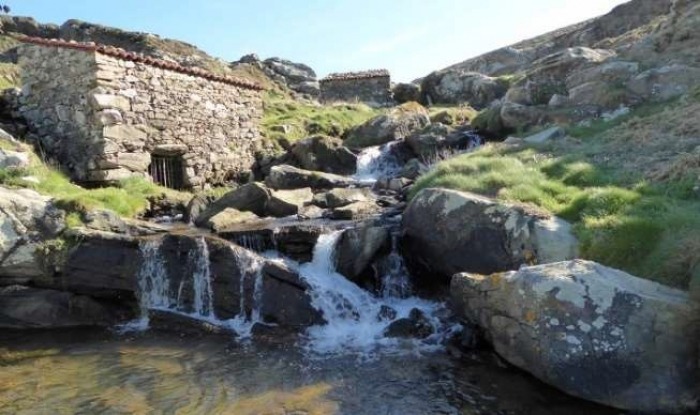
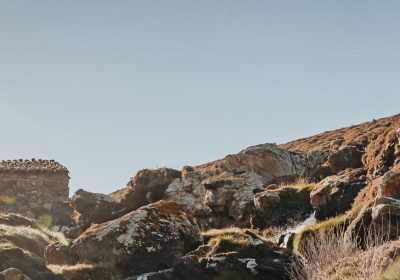
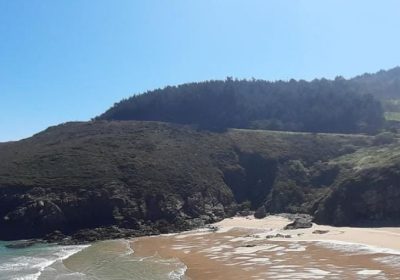
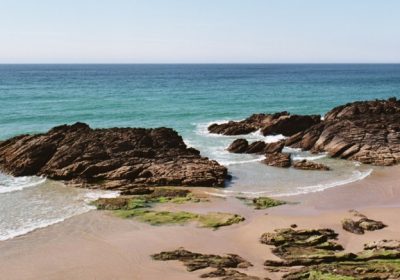
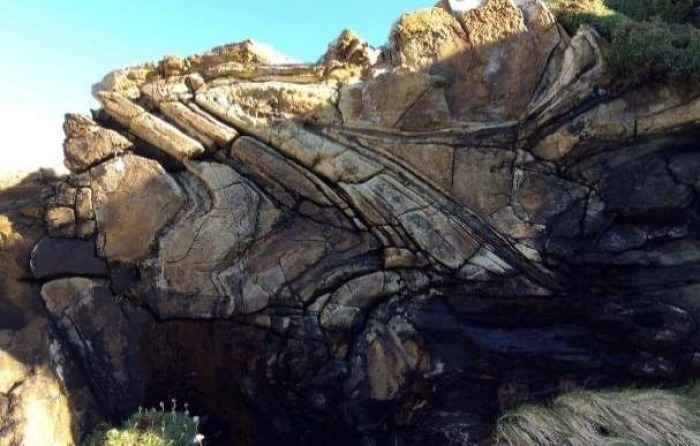
Following the course of the Regato dos Muiños and the path that runs to its mouth in the form of a small waterfall, we will find a set of 5 rehabilitated mills. In its surroundings we will be able to see several outcrops of eclogites, a key metamorphic rock for the study of the interior of our planet. If we follow the coastline to the beach of San Miro, the spectacular Pedra Furada or Furna das Grallas, with its almost 25 meters high, excavated more than 100,000 years ago by the erosion of the sea, stands out.

Lighthouses, rivers, beaches and much more on the Costa da Morte

Other places of interest in Malpica

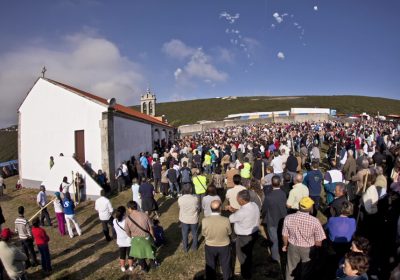
Pilgrimage of Santo Hadrián de Malpica
According to legend, there was a plague of snakes in the area of Malpica until t...
Mapica – Lamego shear, Esteiro and Seaia beaches (Malpica de Bergantiños)
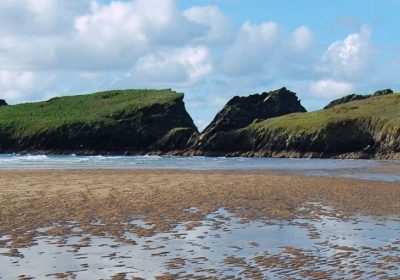
The beach of Seiruga or Esteiro, in the surroundings of the Sisargas Islands, st...
Sisargas Islands
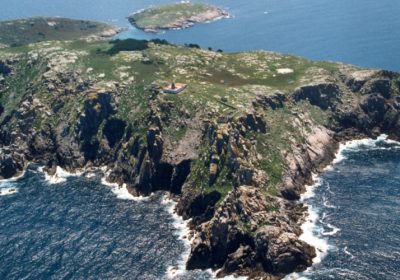
Located in front of the town of Malpica and just a mile from Cape San Adrián, th...
Ecomuseum of O Forno do Forte and Vila Oleira de Buño
In this museum we can see the technology and the traditional way of life of the ...
Santiago de Mens Church
The church of Santiago de Mens is a Romanesque church built in the twelfth centu...
Route of the pines in the sea. Malpica
Route: Linear Start/finish point: As Neves Chapel or Santo Antón-Praia As Torrad...
Coastal Section of the Malpica-Tui Complex around Malpica, San Miro Beach and Molinos de Eán
Following the course of the Regato dos Muiños and the path that runs to its mout...
Mostra da Olería de Buño
The Olería de Buño is recognized worldwide for both its tradition and its qualit...
Tide Beaches
Tide Beaches in Malpica: Fishing, Nature and Coastal Beauty Malpica offers a sp...
Punta Nariga Lighthouse
A place name perhaps derived from the Latin base narica (nose), it is a promonto...