LIRES, A HAVEN OF PEACE FROM FISTERRA TO MUXÍA

Explore Cee through “LIRES, A HAVEN OF PEACE FROM FISTERRA TO MUXÍA”. A story that connects history and coast—exactly as locals live it. Tip: look out for fisterra.
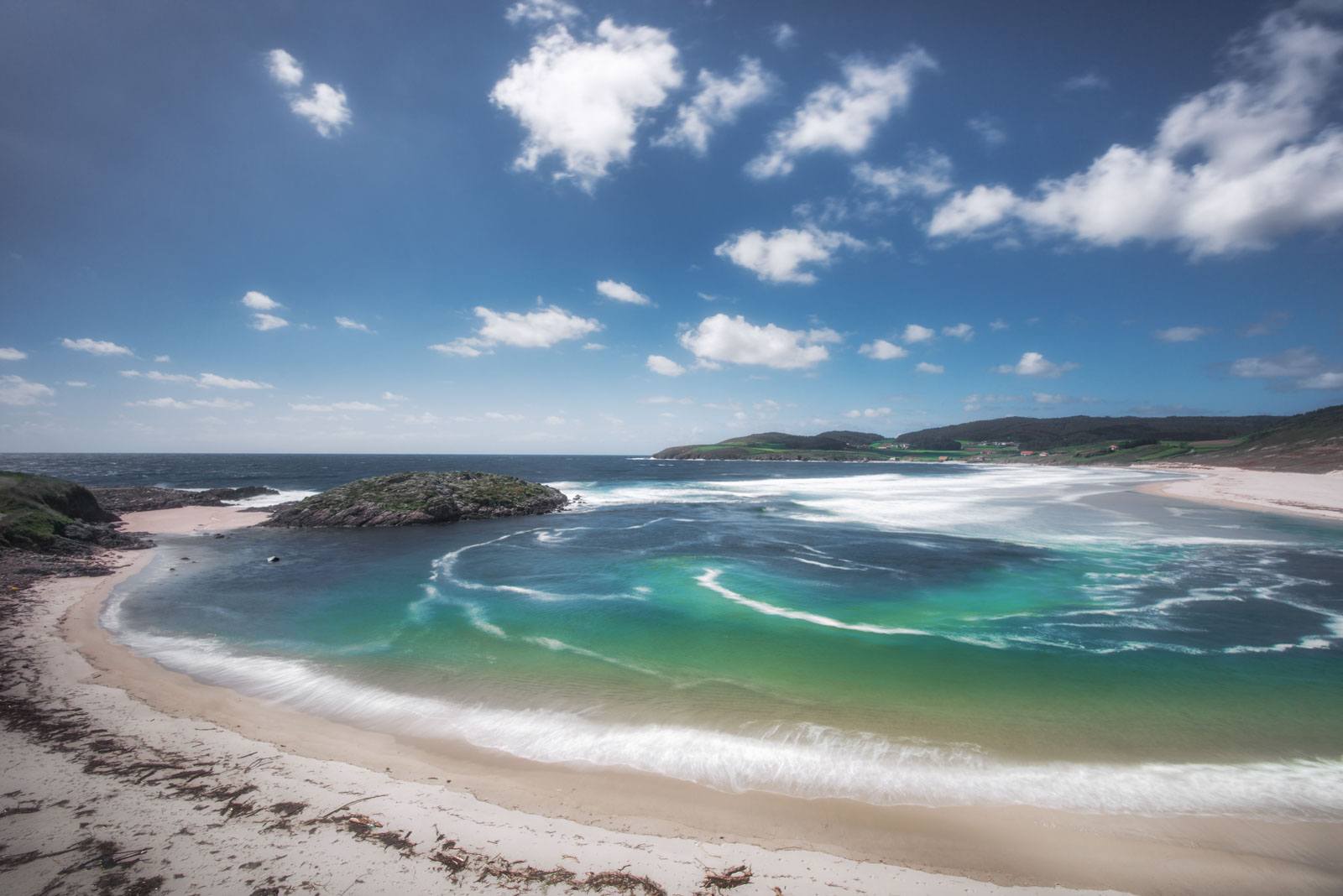
155. Desembocadura do río Castro, entre a praia de Lires e Nemiña

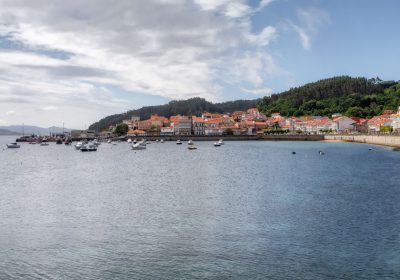
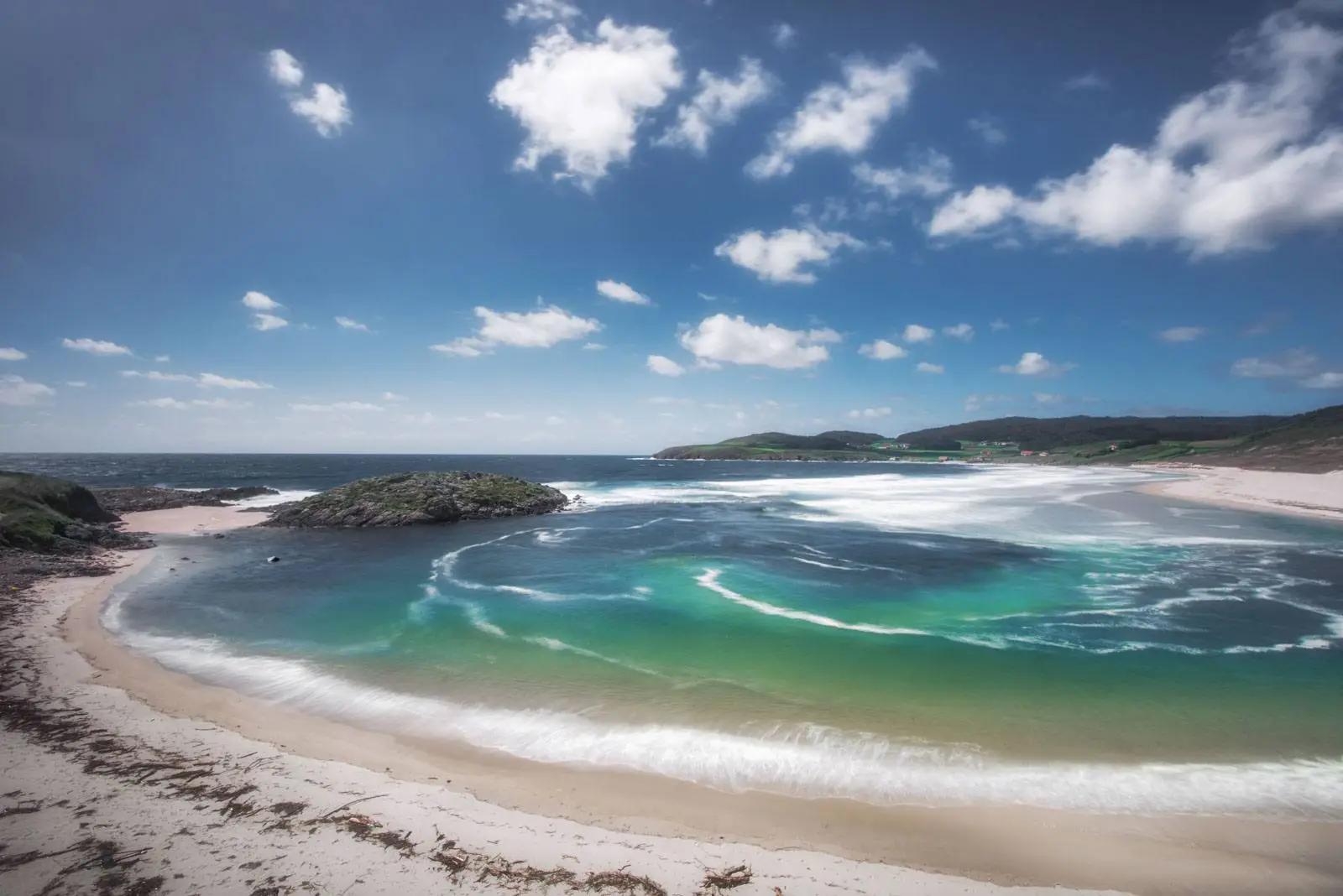
Between the southern end of the Nemiña beach and Mellón Point, the small Lires ría meets the ocean. In fact, it is the mouths of the estuaries of the rivers Castro and Lires rather than a ría. The river Castro is the most important waterway of the district of Fisterra, formerly Nemancos. It rises at the upper end of the parish of Castrelo (Vimianzo), and after flowing through Berdoias, it waters the lands of Muxía, Dumbría and Cee, forming the boundaries between these municipalities. Its name comes from the Castro, the fortified settlement (Coucieiro, Muxía) where the Caldeiras do Castro falls is, a natural area of great beauty. After a surprising curve to the west, it flows out into the Lires ría.

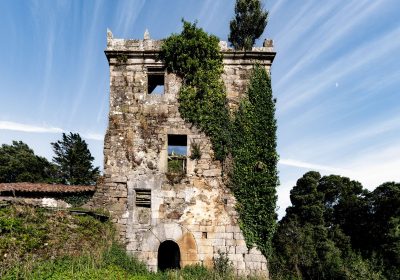
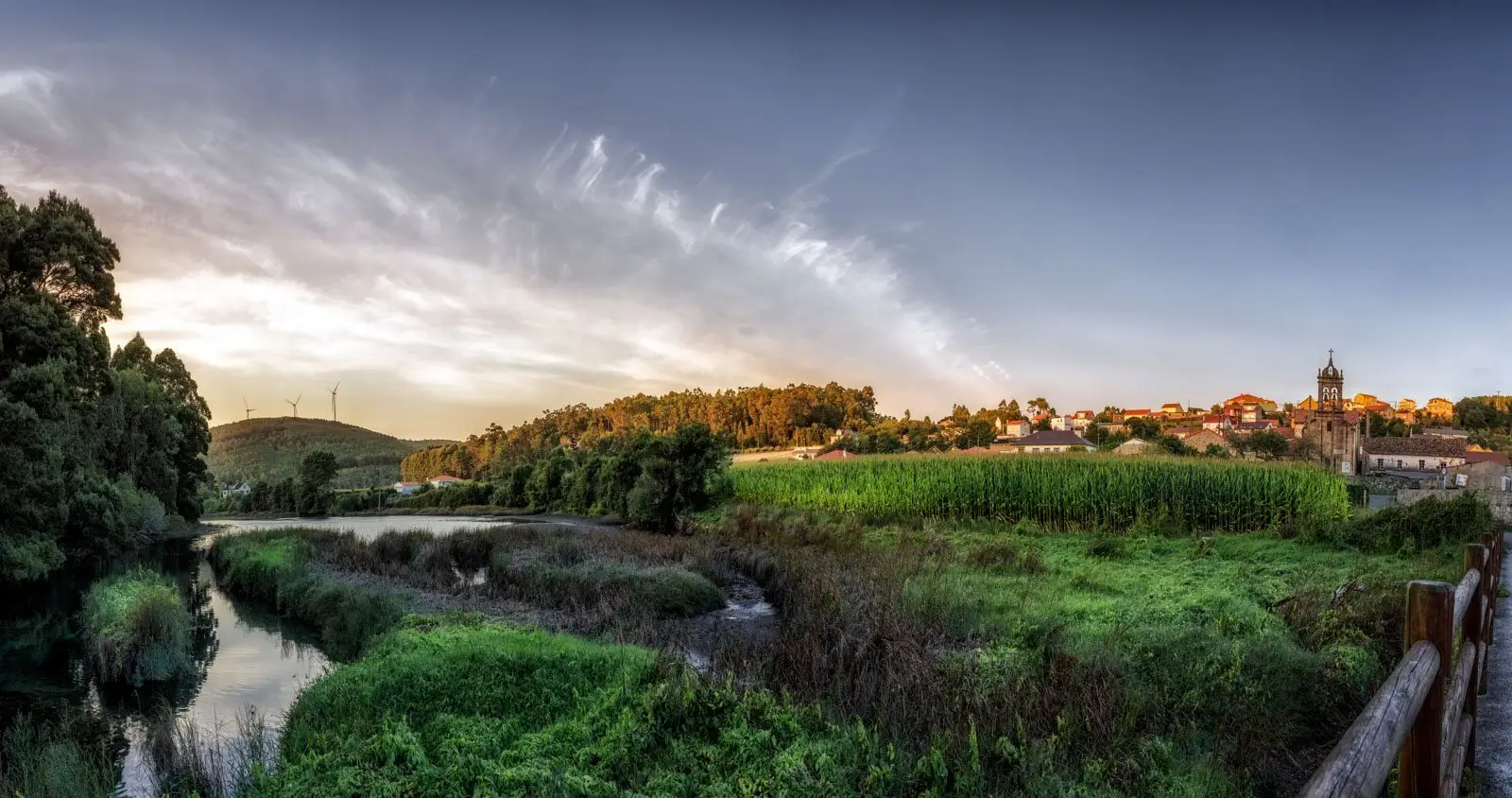
The other branch of this little ría continues on to the estuary of the river Lires and almost to the parish church of Santo Estevo, where a rural parish already existed in the 12th century, even though the current church only dates back to the mid-18th century. Its plain façade has almost no decorative elements. The few that can be seen feature the Baroque style that was in vogue when it was built. In the centre of Lires, interspersed among the modern buildings, which now predominate, are some traditional houses with stone hórreos (traditional Galician granaries).

The parish of Cee is protected by the Monte Mellón mount from the ocean winds, making the town and the land around it a secluded, hospitable place for the crops and the people who live here. The town had a tradition of working the land, and also of using the resources of the sea as a supplement, until the 1960s when, attracted by its lovely, sheltered environment, the first tourists arrived and were given accommodation in the labourers’ cottages, making Lires a pioneer of rural tourism.

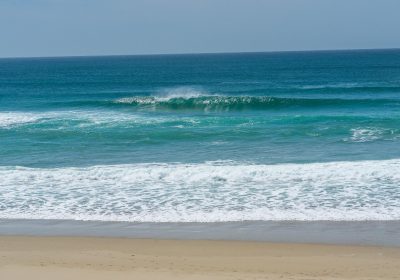
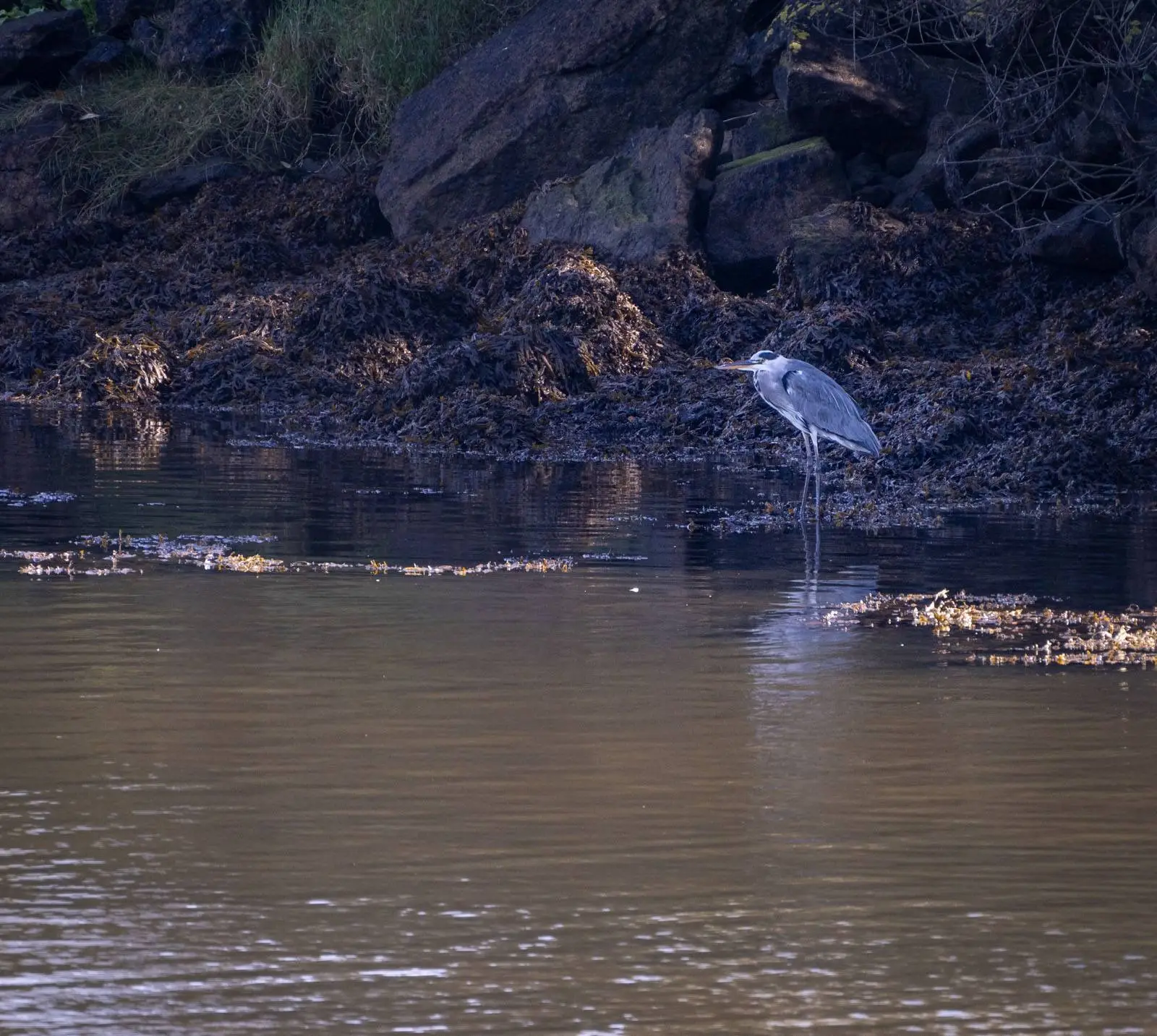
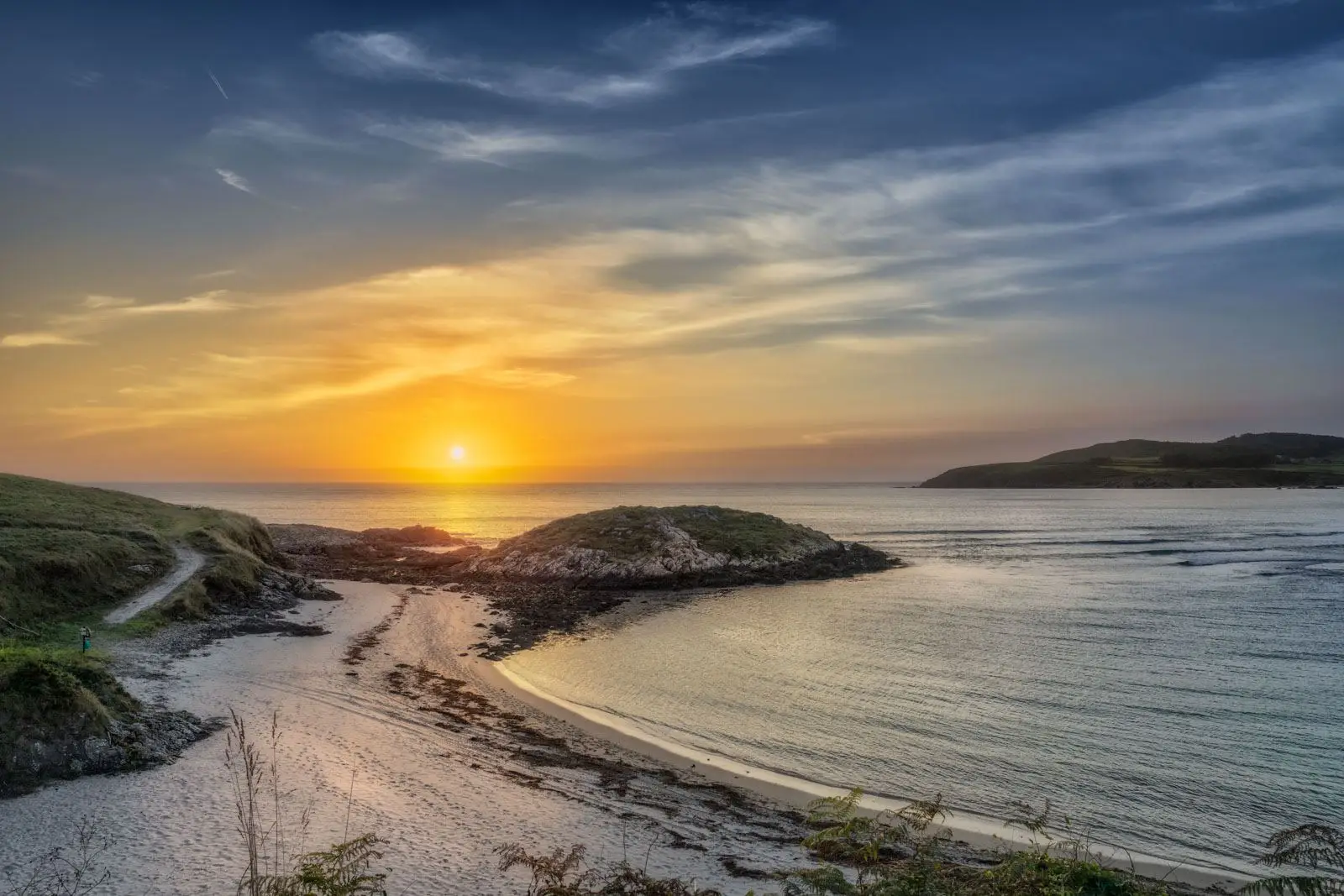
The change in the activities of the population was helped by the route from Santiago to Fisterra-Muxía becoming a Way of St. James. On the stage that links these two coastal towns, Lires is a required stopping place as it stands at the halfway point along the route. In recent years, the town has become a benchmark of tourism in the area. Its small ría is a place much appreciated by nature lovers, who have the opportunity here to spot a large number of different birds. From its coast, one can enjoy excellent views over the Nemiña beach and the mouth of the river Castro, and some beautiful sunsets.
Photo gallery of LIRES, A HAVEN OF PEACE FROM FISTERRA TO MUXÍA

Discover the Costa da Morte on our blog

Blog Costa da Morte

CARNOTA, PLENTY OF LIFE BY THE SEA

From Caldebarcos Point in the north to Remedios Point in the south is a great sandy coastal arc resulting from the lowla...

MUXÍA, THE SHIP THAT SAILS FOR THE NORTH

The poet Gonzalo López Abente (1878-1963) considered his native Muxía to be static, “lying” on the river bank, silent an...

CORCUBIÓN, THE FEUDAL VILLAGE AND PORT OF THE ALTAMIRA ...

The town of Corcubión, today the main town of this small municipality, was the administrative centre of the domain over ...

VIMIANZO CASTLE, THE SYMBOL OF THE MOSCOSO FAMILY’S POW...

Few of the mediaeval fortresses of Galicia are still standing. On Costa da Morte, some have managed to challenge the pas...

BRANDOMIL, THE LARGEST ROMAN SETTLEMENT ON COSTA DA MOR...

It has been said that in the west of Galicia, such as Costa da Morte, the amount of Roman influence was very slight; how...

Flavours of the Atlantic: the gastronomy of Costa da Mo...

The Costa da Morte is a destination that captivates with its wild landscapes, its imposing lighthouses and its rough sea...

FÉRVEDA DE ENTRECRUCES WATERFALL, A SYMPHONY FOR THE SE...

Nature gave San Paio de Entrecruces the gift of a extraordinary work that moves all visitors who go to this magical plac...

Secret beaches of Costa da Morte

Do you want to know which are the secret beaches of Costa da Morte? Well, you are in luck, because in this article we wi...

BUÑO, THE VILLAGE WHERE CLAY BECOMES ART

The town of Buño is known all over Galicia for its traditional pottery. The people of Buño may have engaged in this acti...

A PENELA AND RIOBÓ, HISTORY AND ART IN SILENCE

There are places on Costa da Morte that still preserve their precious heritage but, far from the main lines of communica...

Upcoming events on the Costa da Morte

Find out instantly what activities await you on the Costa da Morte. Here you will find an up-to-date list of concerts, fairs, guided tours and shows that take place on the Costa da Morte. Don’t miss any event: experience the culture, sport and tradition of our region. And if you want to find out before anyone else, sign up for our newsletter and you will receive all the news in your email.

  • Monday
    8
    June

    Sacramento Festivities...

    The Sacramento Festivities 2026 in Paiosaco will take place on 6, 7 an...

  • Wednesday
    10
    June

    Rhythmic and aesthetic...

    The Concello de Muxía continues to support sport, culture and young lo...

  • Thursday
    11
    June

    Interim Evaluation For...

    The Interim Evaluation Forum of the GALP Costa da Morte Strategy will ...