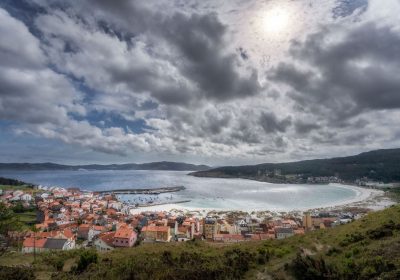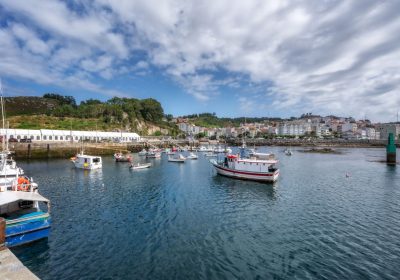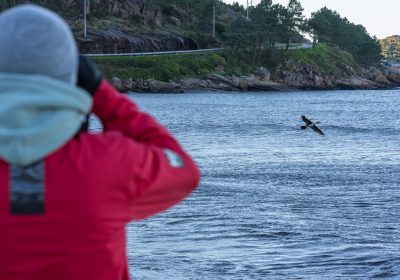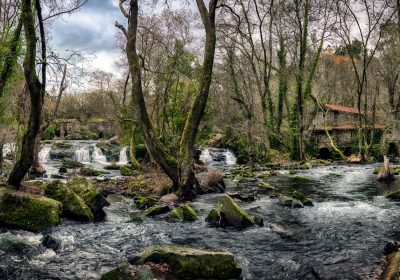


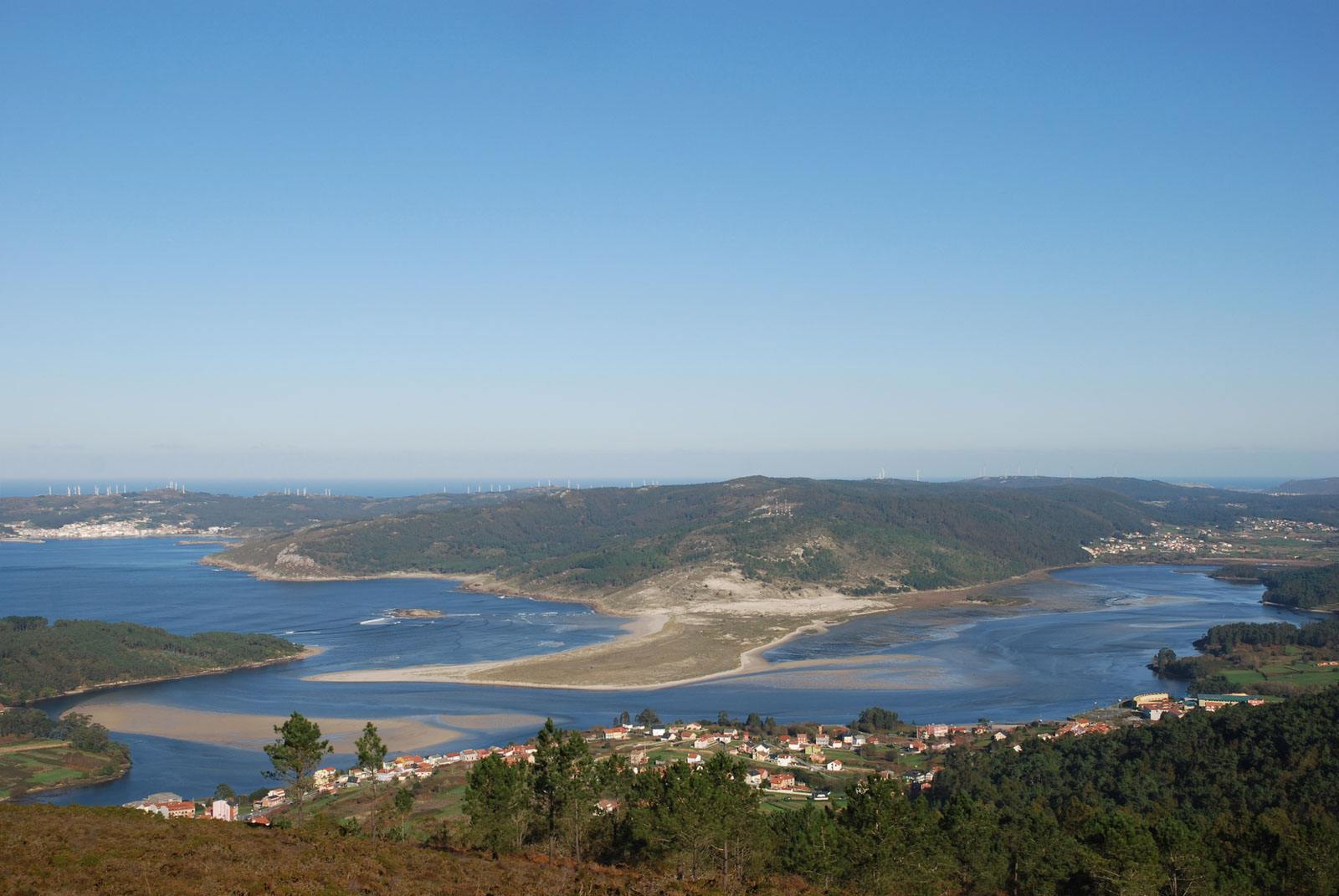
Along the Costa da Morte there are many places that offer us the chance to enjoy nature from a scenic, geological, astronomical, botanical and wildlife perspective. For birdwatching, there are several areas with excellent conditions for observing birds. Among them, the A Insua inlet is perhaps one of the most suitable places for spotting this type of fauna.
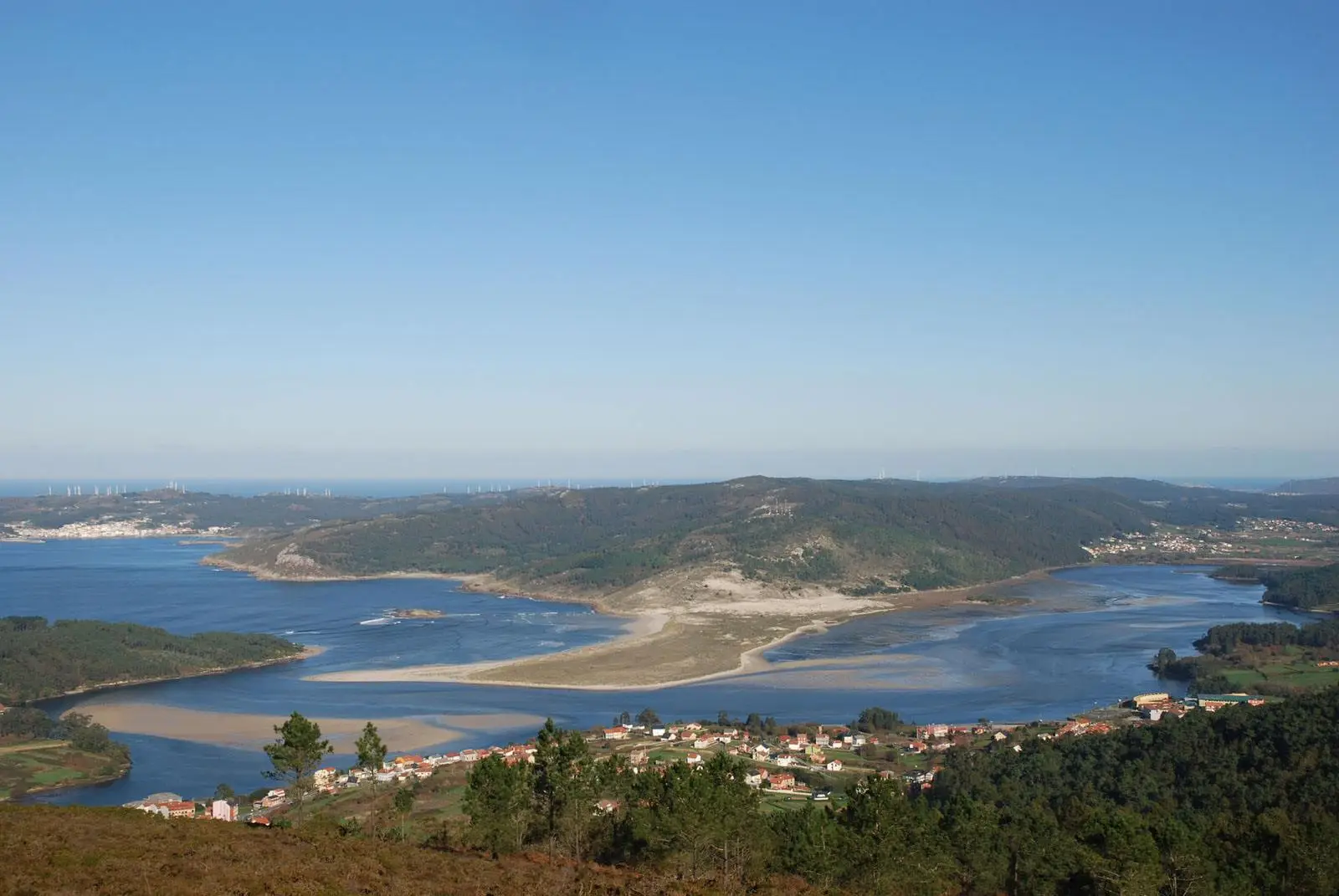
The Anllóns River, at the end of its course, once it has crossed the bridge of Ponteceso and before flowing into the Corme and Laxe estuary, forms a wide estuary around 5 km long. The boundary of this space is marked by the tongue of sand, or sandbar, which stretches for about 1,500 m southwest from the base of Monte Branco, leaving a narrow channel through which the river communicates with the sea.
The inlet covers an approximate area of around 300 hectares, where the water surface varies according to the tides. At high tide, the waters flood the entire muddy plain, while at low tide only a water channel remains in the central area. From the high-tide limits, several types of vegetation follow one another: rush beds, reed beds, meadows and also small riverside woods made up of willows and alders.
The whole area forms an extensive site of great ecological interest, made up of different habitats where a wide variety of fauna and flora live, gradually adapting to these different ecosystems, from the wettest areas, such as the intertidal zone, to the driest, represented by the dunes. Among the living beings found here, the large colony of birds that inhabit this broad natural setting, either permanently or seasonally, is particularly noteworthy.
Thanks to the constant and rigorous work carried out over many years by the ornithologist Luis Rabuñal Patiño, around 300 bird species have been catalogued and recorded in this area, a figure that exceeds that of any other natural space in Galicia. Some of these species have not yet been found anywhere else on the Iberian Peninsula.
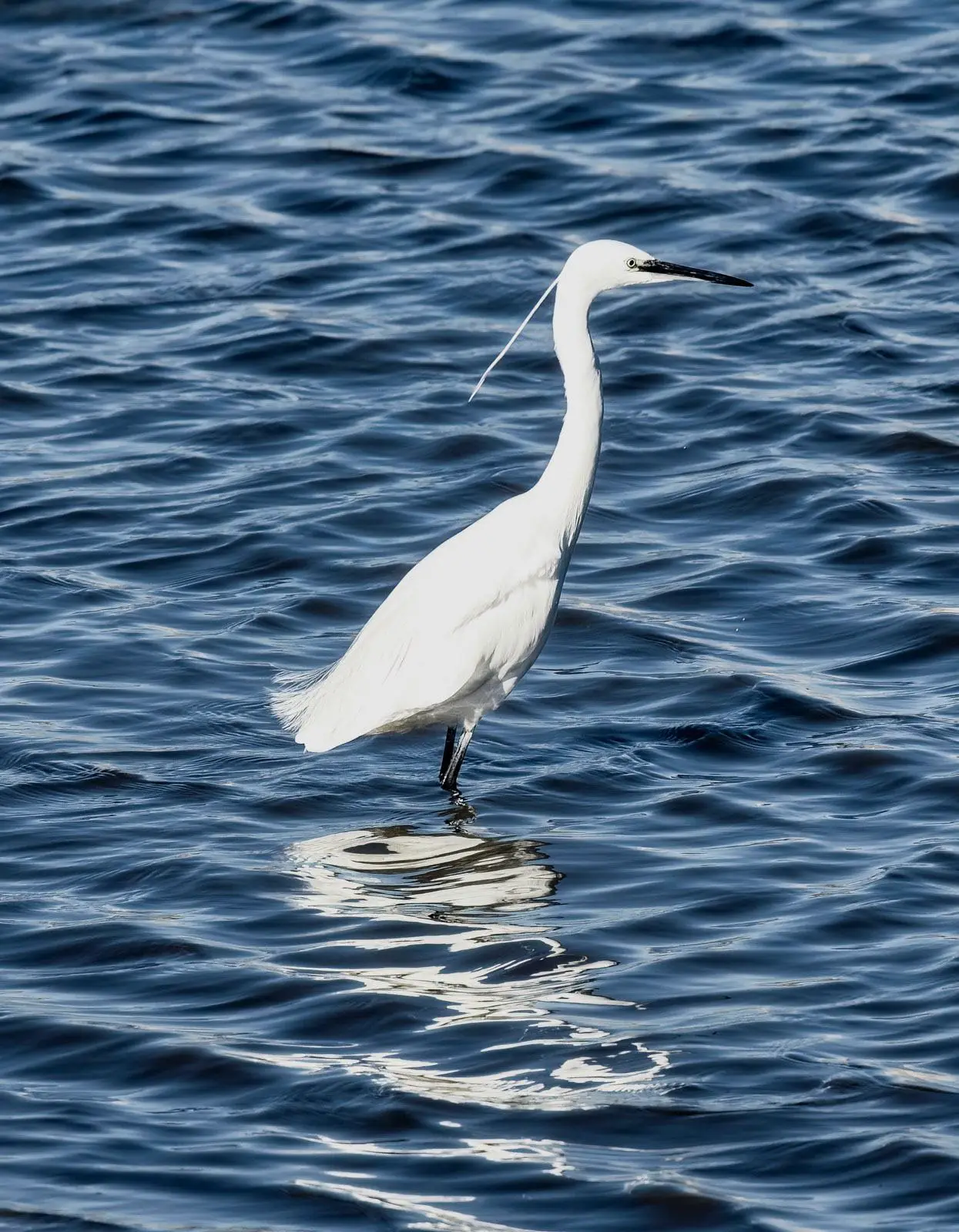
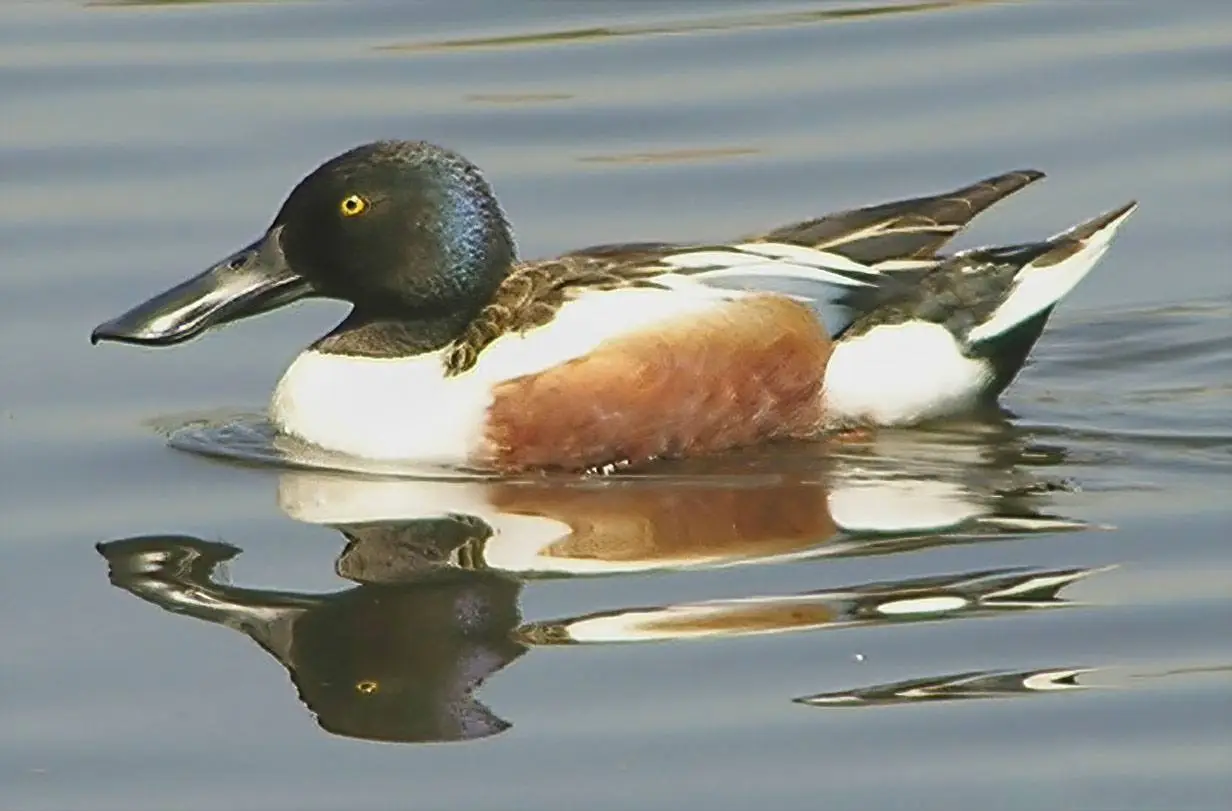
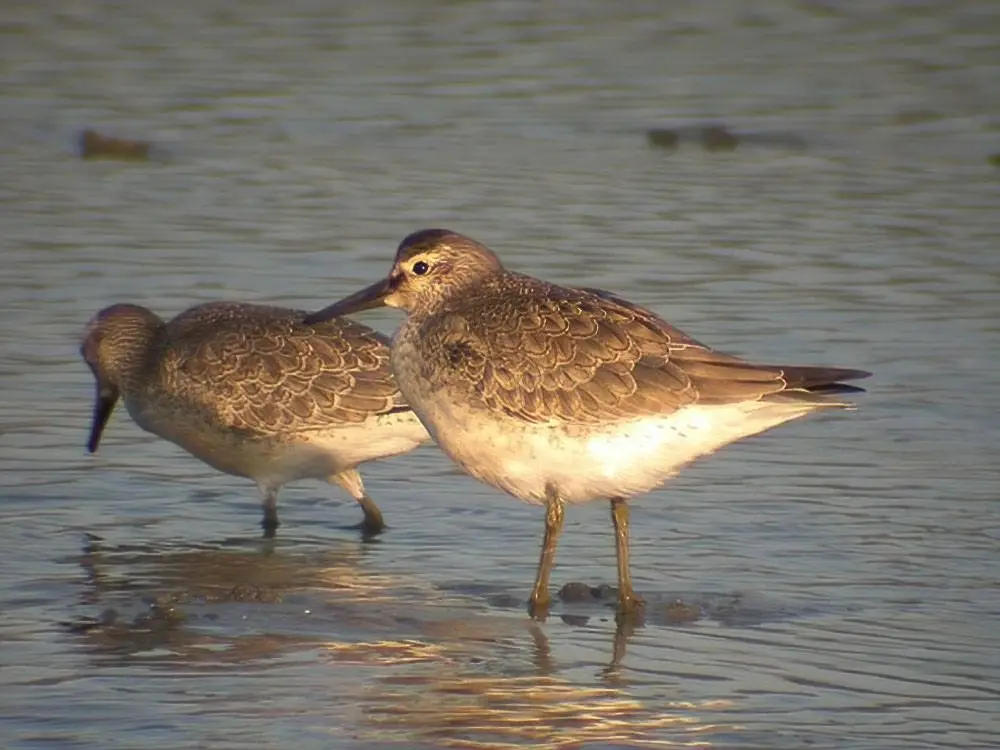
During the winter months, the concentration of birds from the groups of ducks and waders in the Anllóns estuary represents a natural event of great importance for anyone interested in observing this type of fauna. Among the species most commonly found here are the mallard (Anas platyrhynchos), the northern pintail (Anas acuta), the northern shoveler (Spatula clypeata), the grey heron (Arcea cinerea), the little egret (Egretta garcetta), the cormorant (Phalacrocorax carbo and aristotelis), the Eurasian curlew (Numenius arquata) and the Kentish plover (Charandrius alexandrinus). There are also several species of gulls and marshland passerines.
All visitors who come to this important natural space should be aware that they are entering a protected area, where it is advisable to act with the utmost respect, disturb the life of this birdlife as little as possible, and use the marked access points and existing observation hides.