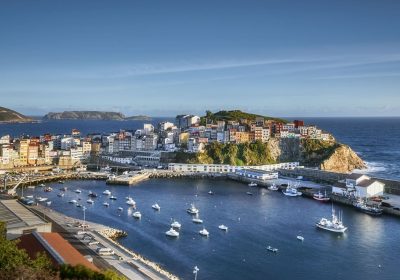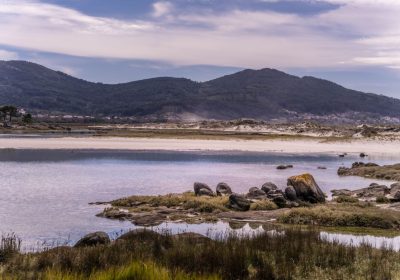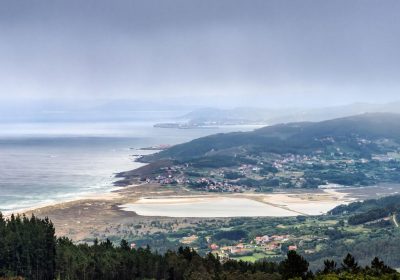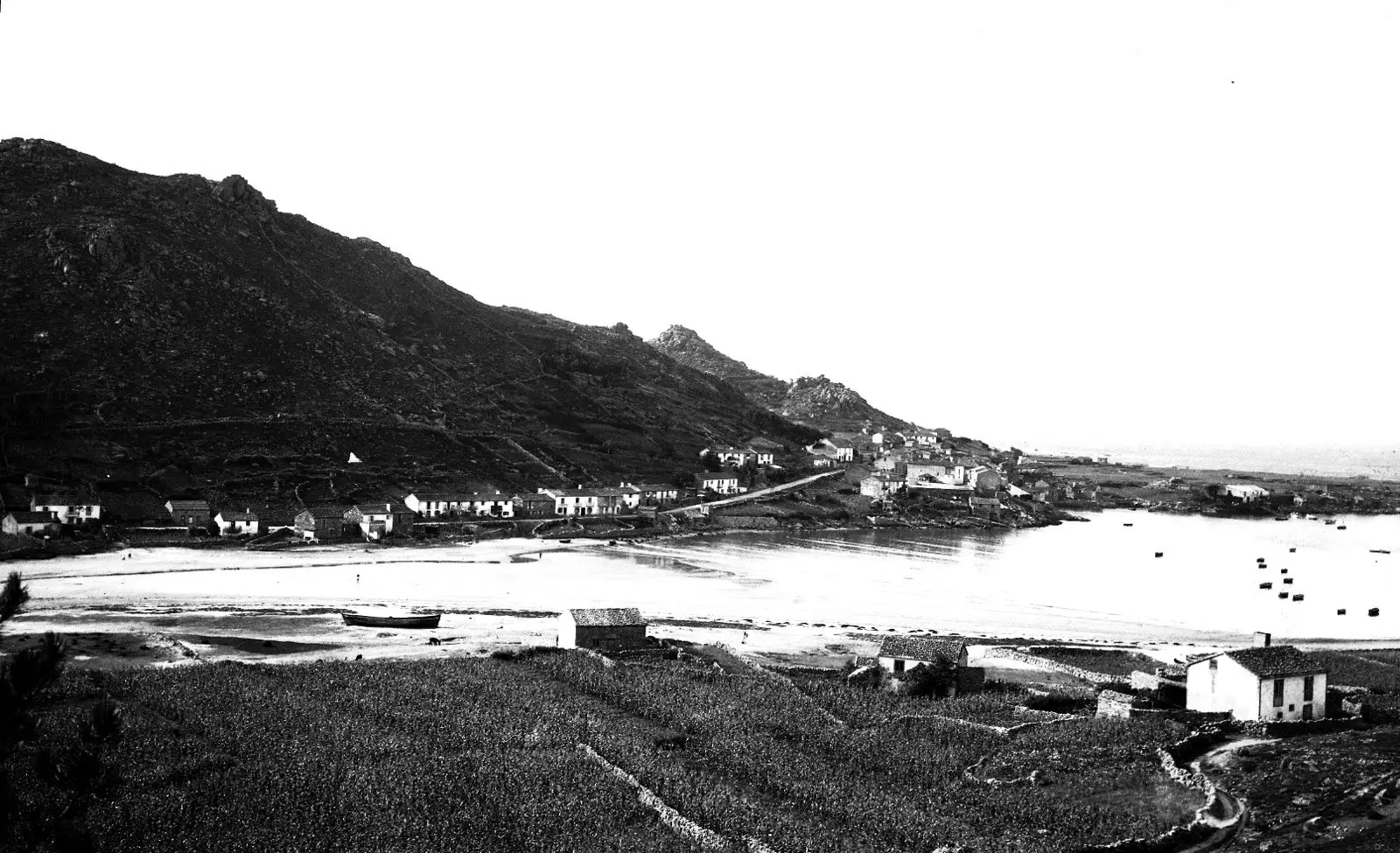


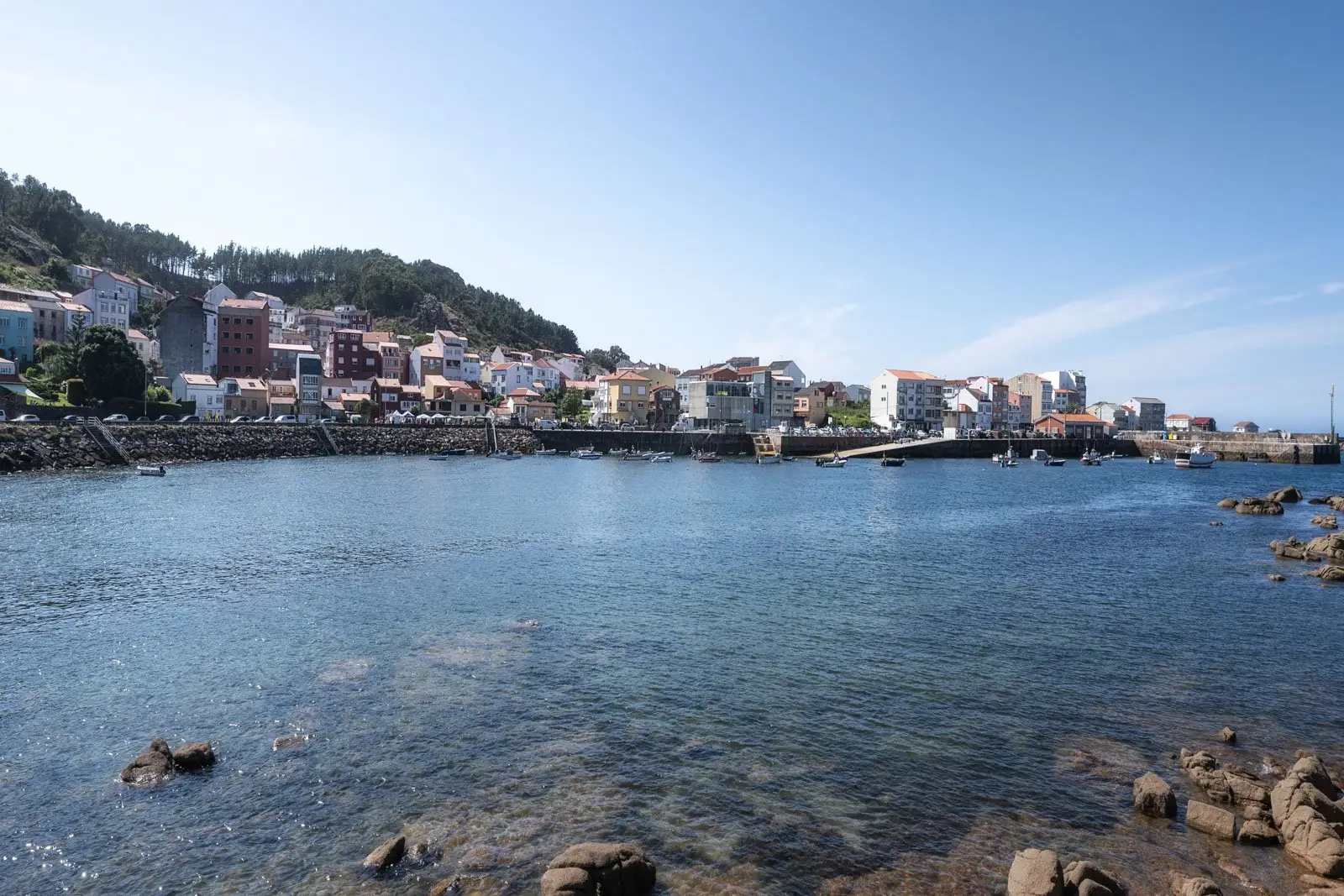
Until a few years ago, Camelle, was a small seafaring village on the left-hand side of the bay that bears the same name. This is how it appears in the image left by the photographer from Laxe José Vidal in 1934. Its origins were linked to whaling, which was practised on this coast by Basques and Asturians at the end of the 15th century. In the 16th century, the chapel of the Holy Spirit already existed, but it would not be converted into a parish church until the second half of the 20th century, as previously it had belonged to the parish of San Pedro do Porto.
In the first half of the 18th century, both the hamlet, which was only a dozen houses, and the land around it belonged to the Count of Altamira, to whom the residents paid rent under a charter. Until these were redeemed, the local residents could not own the houses or land. It was later that the port started to grow. In the 1920s, the town of Camelle was particularly involved in fishing for sardines, which would be bought by the town’s three salting factories, and for conger eel, which after being cured in the sea air, was sold to the interior of the Peninsula. Major development began in the 70s and 80s, when fish and shellfish began to fetch a higher price on the market.
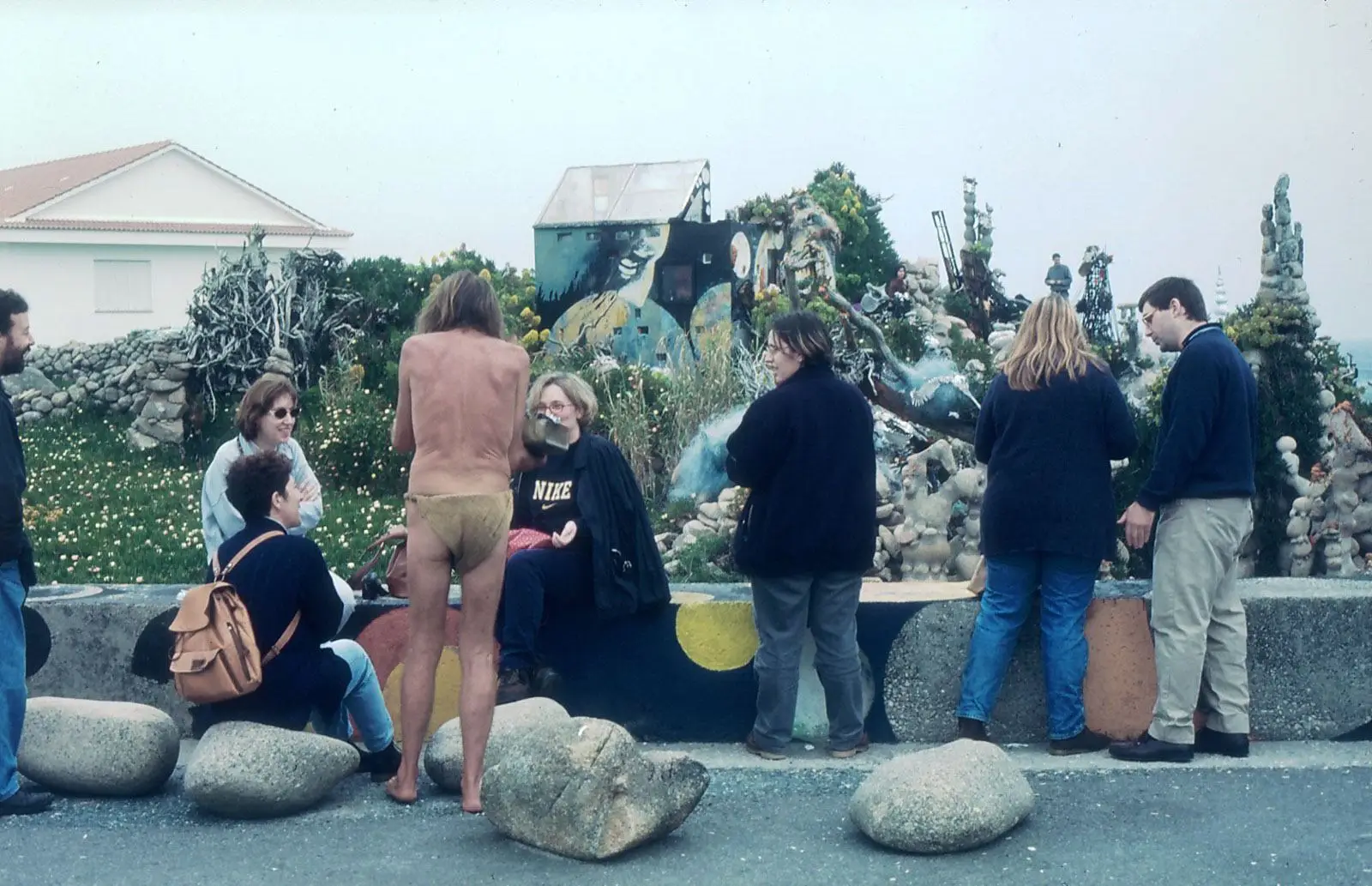
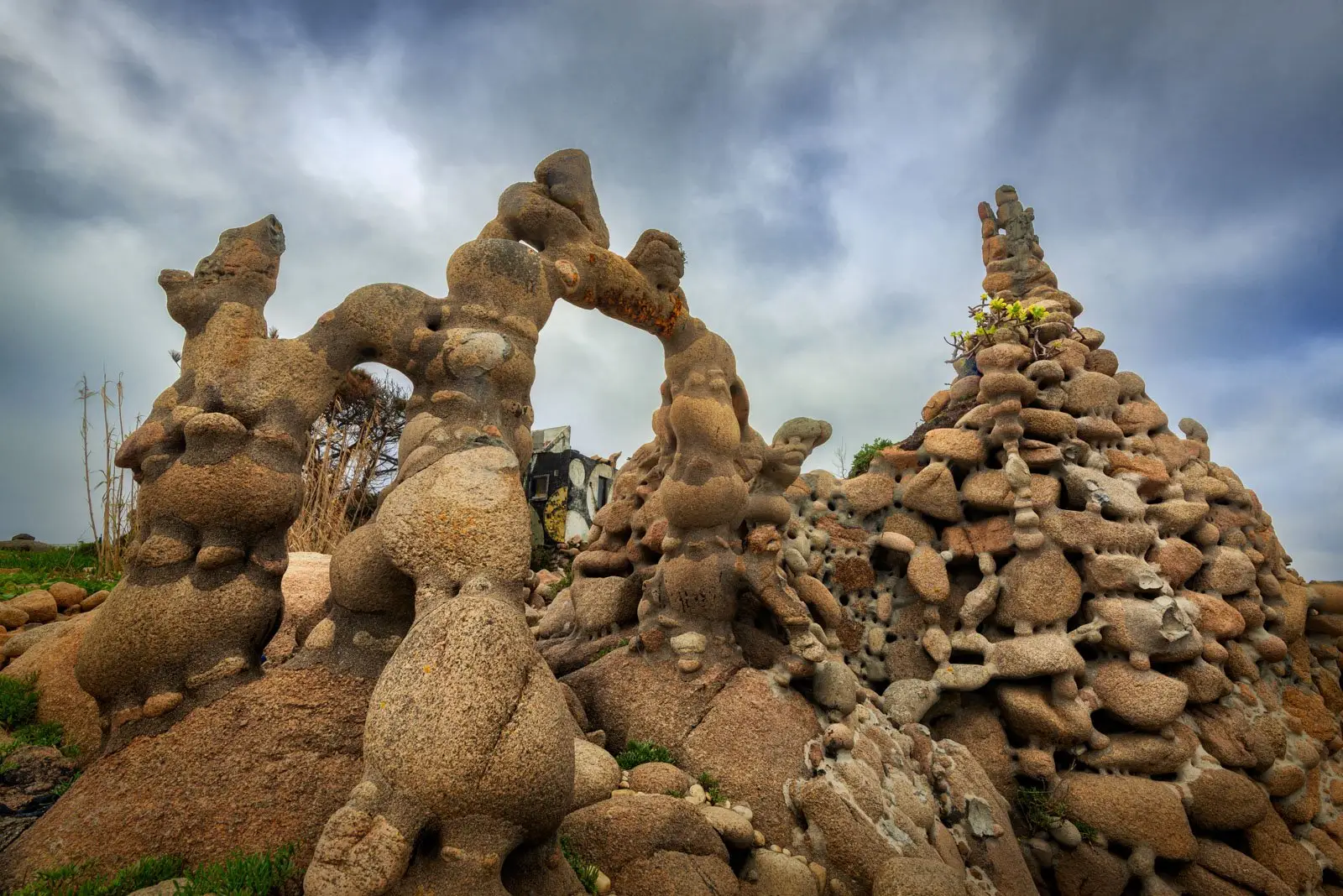
The town is known above all for hosting the German citizen Manfred Gnändinger, who arrived there by chance in 1961 when he was a young man of twenty-six. After living among the local population for a time, he retired to live alone in a tiny cabin by the sea and at the same time he engaged intensively in artistic activities, painting and sculpting in the open air around his home. He also altered his way of dressing, wearing almost nothing but a loincloth, and his diet, becoming a vegetarian. He swam in the sea every day, summer and winter, and talked less and less with the locals, only receiving visitors to his museum, whom he invited, after asking them for a little aid, to draw whatever occurred to them on the small notebook that he gave to them.
The Prestige catastrophe wounded him deeply when part of his territory was invaded by the tar. He was already suffering from health problems but this ecological disaster accelerated his physical and mental illness, from which he did not recover. On 28 December 2002, the neighbours noticed that he had not removed the bag of food that they left at his door every day. Later, his lifeless body was found inside his home.
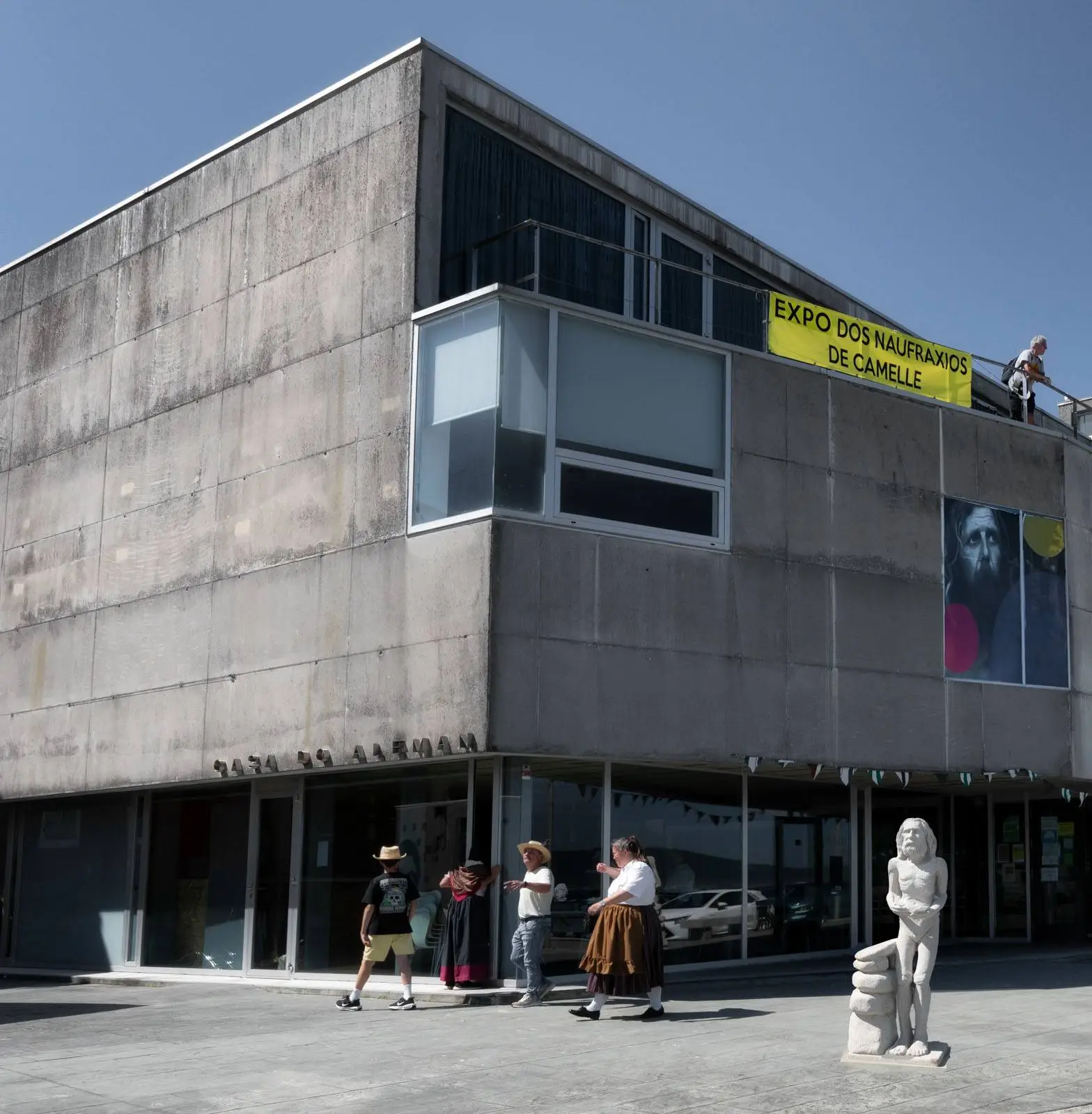
Man was aware of the transcendence of his work and, to preserve it, he bequeathed it to the State to manage, together with the financial resources that he had accumulated during his life. His legacy later passed to the municipality of Camariñas. With the intention of keeping him and his work alive, in 2015 the Casa do Alemán (the German’s House) was built, which housed information on the life of this singular artist and part of his work. What had been his house was also restored, where his ashes were deposited.