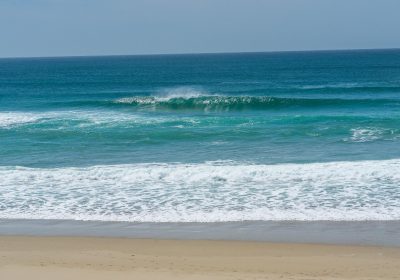


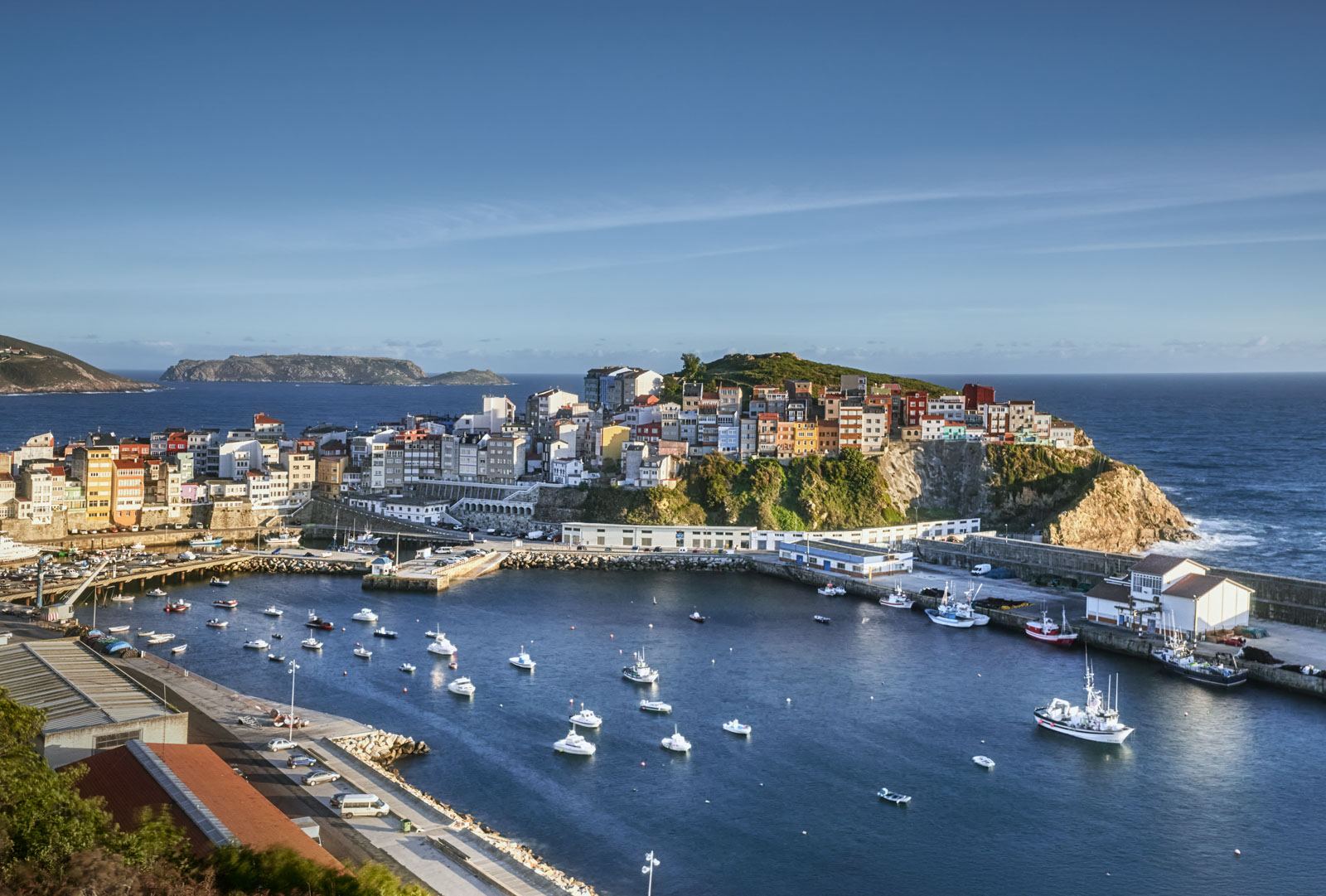
The sea builds character, but if that sea is as violent as in Costa da Morte and the piece of land on which one lives is completely impregnated with salt, the sense of belonging is even greater. One example of this passion for one’s native land is expressed in this folk song from Malpica:
Malpica dos meus amores, (Malpica, my love,)
o rei te quixo vender, (the king wanted to sell you,)
para mercar a Malpica, (buy, to buy Malpica,)
moito diñeiro hai que ter. (you’d need a lot of money.)
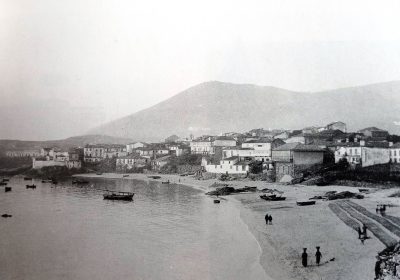
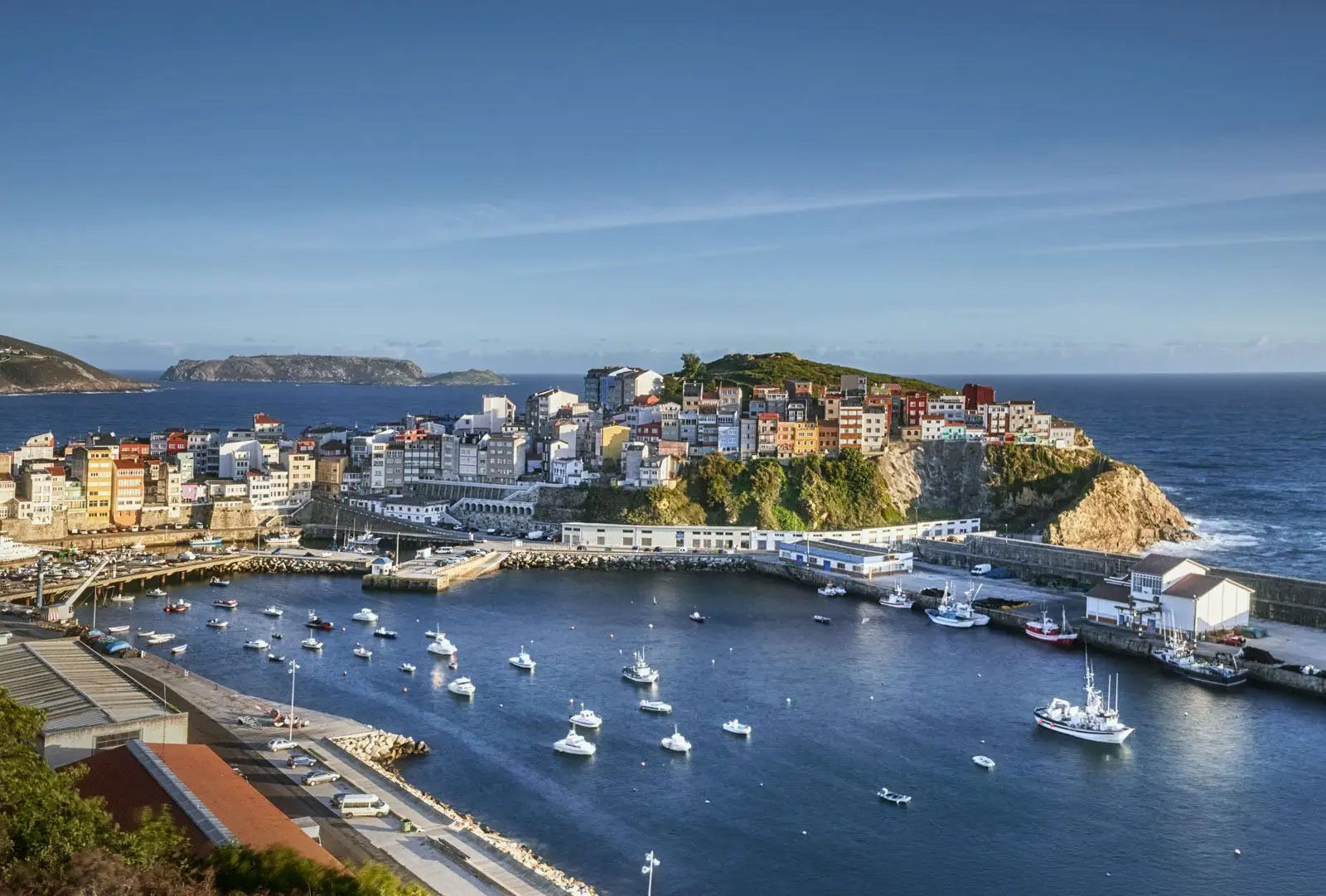
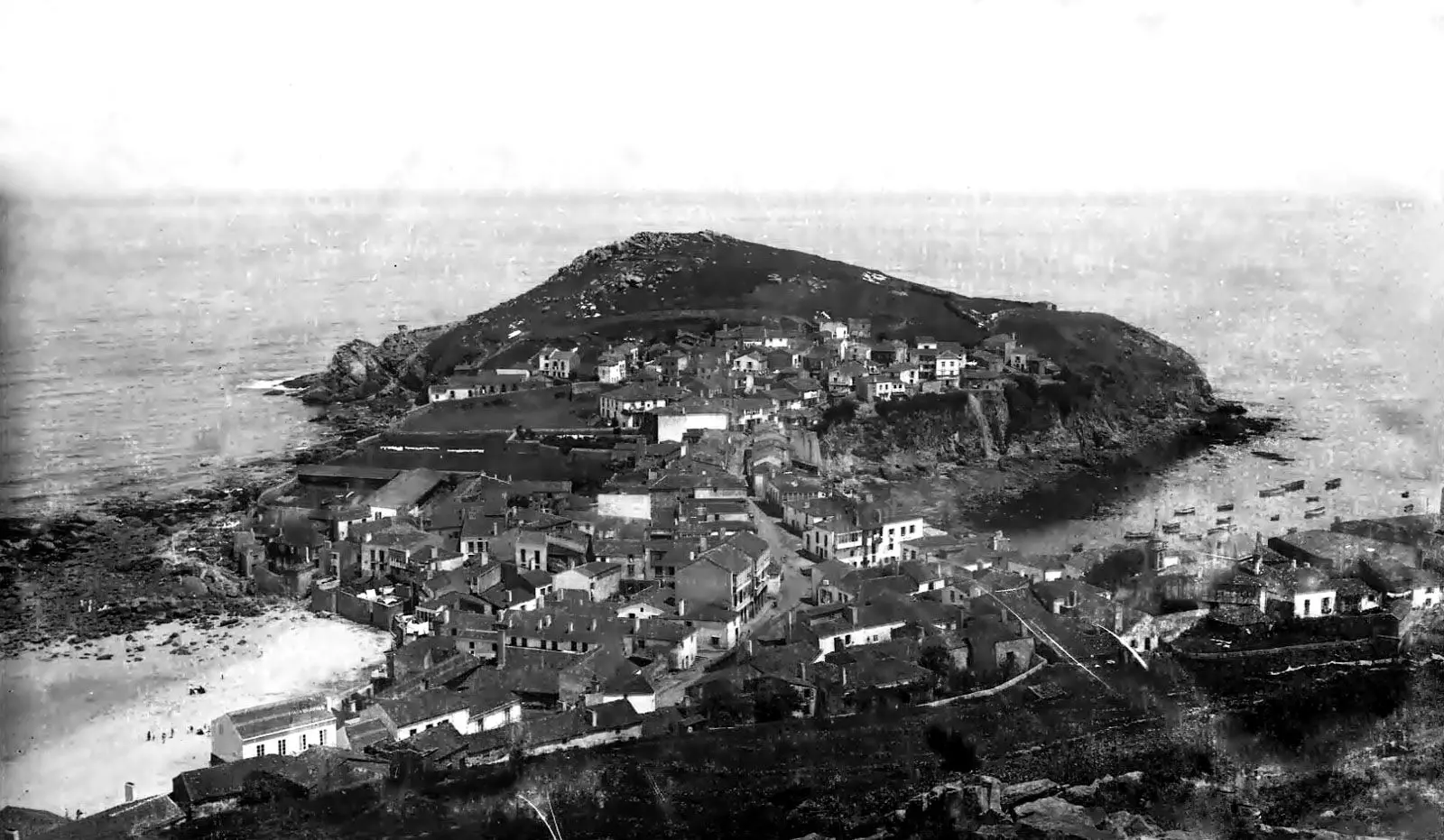
Malpica is one of those towns born from the sea. Its first inhabitants had no other means of subsistence than the sea, but they also had to withstand the adversities of an unprotected area where the sea and wind are rarely calm. To thrive in this harsh environment, the people of Malpica built their houses close together, in the shelter of the Monte da Atalaia.
The origins of the town of Malpica lie with the establishment of a whaling base, an activity practised since the Middle Ages by Asturian and Basque fishermen, who came to this coast in winter. Licenciado Molina documented mid-16th century whaling and told of its benefits: “This fishing is of great value because a whale, even if small, gives two arrobas (23 kilos) or two cántaras (16-litre jugs) of oil, which is used for everything that olive oil is used for, except eating.”
Whaling declined in the 18th century and was replaced by fishing for sardines or conger eels. A number of sardine salting factories were established here, and conger eels were cured by the north-easterly winds before being exported inland in the Iberian Peninsula.
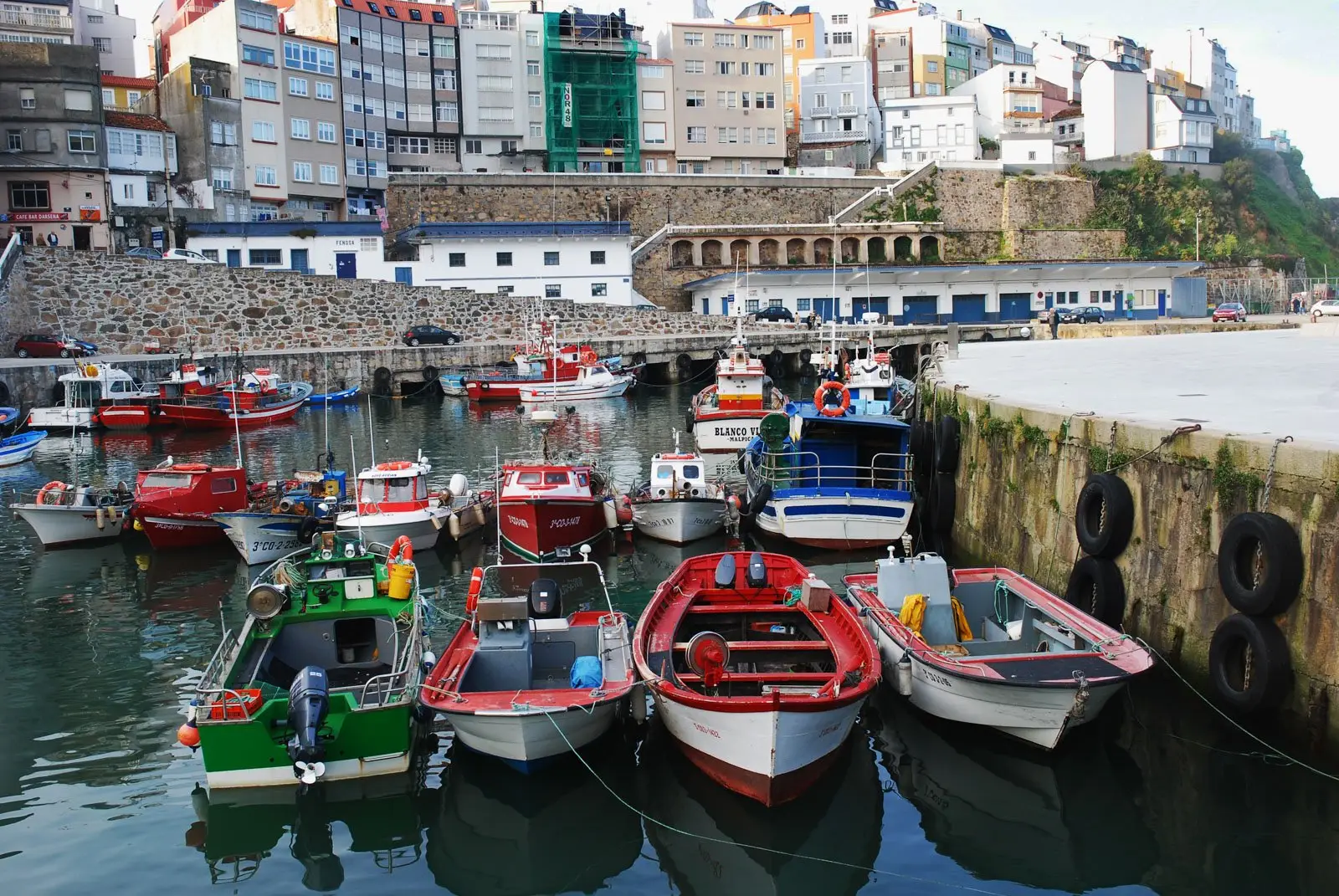
The Malpican fishermen always had to struggle against the heavy seas, which beat against the boats unrelentingly, so that their major concern was to try to find protection for the fleet. Before having protection, in the wintertime they had to pull their boats up onto the streets of the town. Eventually, the first sea dike and a dock were built, port facilities that were later improved.
The backbone of the historical centre of Malpica was Rua Eduardo Vila Fano. A network of narrow streets fanned out from the main street to form the old town centre where there were one- or two-storey houses with granite walls and local tile roofs. Some had an open or enclosed balcony. This Malpica was preserved with very few changes up to the 1960s. It was described so well by the Andalusian writer José Mas in his novel La Costa de la Muerte (1928).
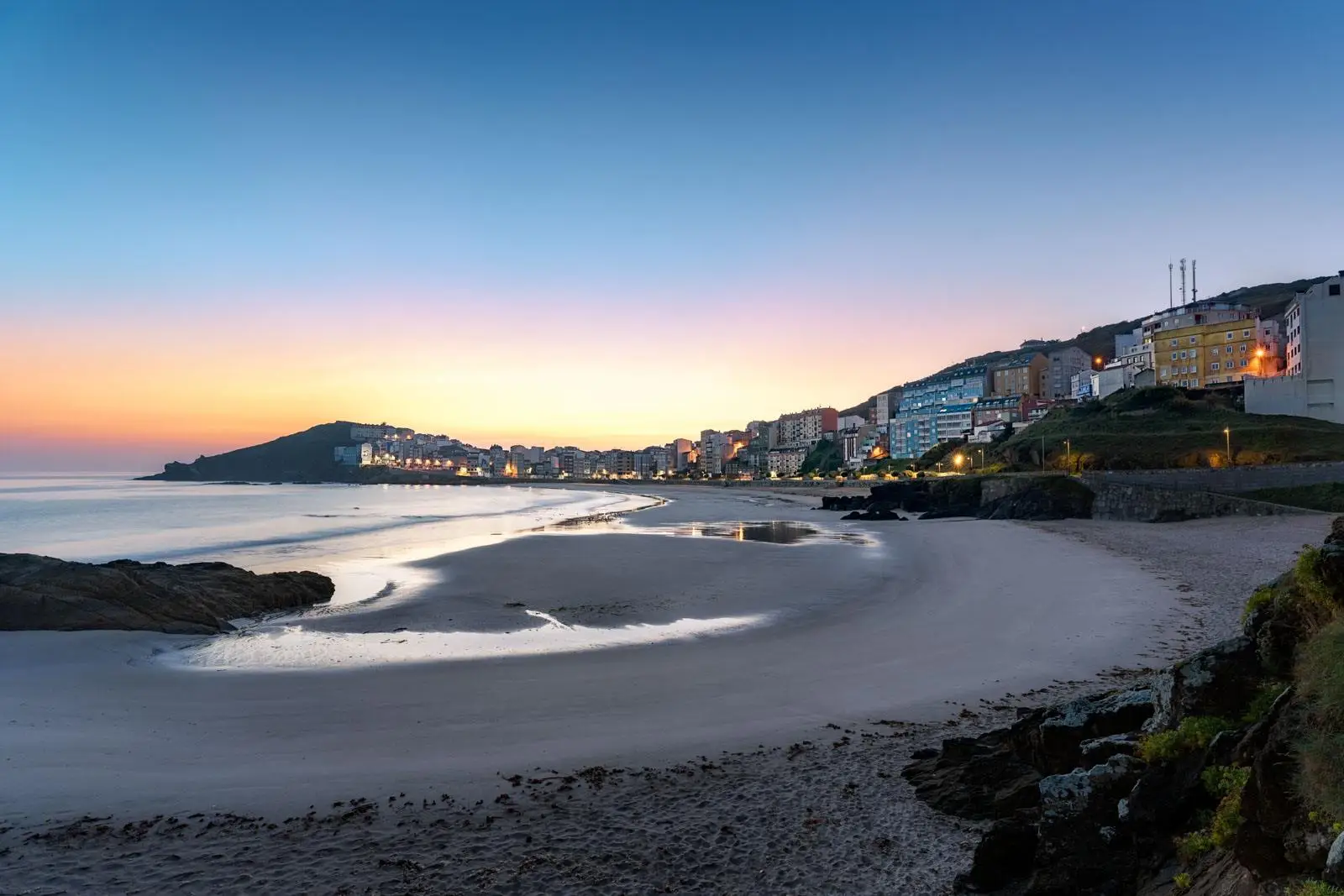
The traditional face of the town began to change in those years and the centre of Malpica was substantially altered and grew in a disorganised fashion. However, the spectacular setting of this town and its port adorned with colourful boats, together with the port activities, make this singular seaside town of Costa da Morte very attractive.
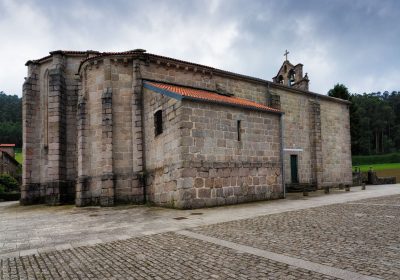
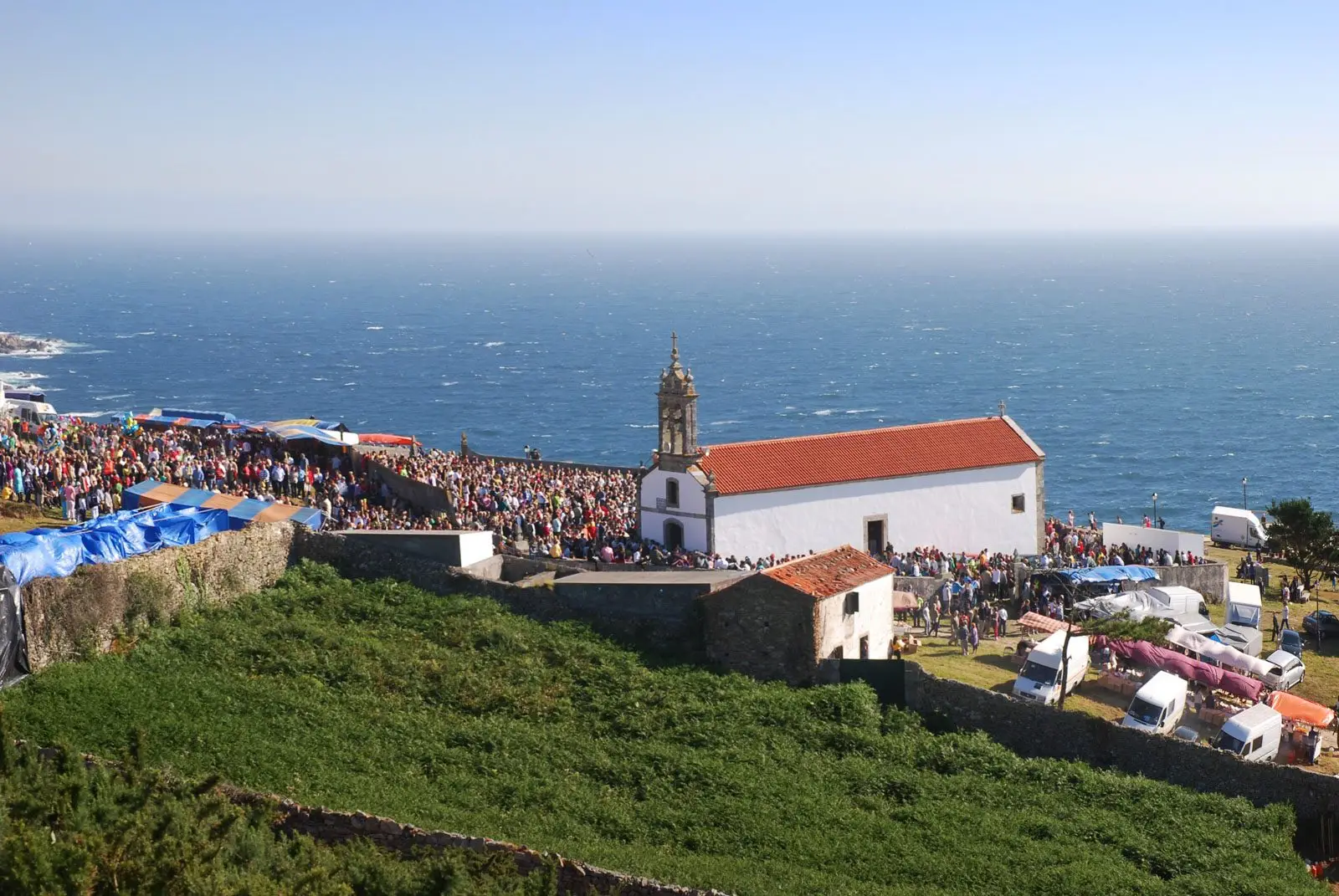
As well as visiting its streets and its port, travellers who come to Malpica should not miss the opportunity to see the work that the painter Urbano Lugrís (1908-1973) left here in the Casa do Pescador (Fisherman’s House), and follow the path from the town centre to the chapel of Santo Hadrián (dedicated to Saint Adrian), to enjoy some magnificent views of this exceptional stretch of coastline and the Sisargas islands.