BUÑO, THE VILLAGE WHERE CLAY BECOMES ART

Immerse yourself in Malpica De Bergantiños through “BUÑO, THE VILLAGE WHERE CLAY BECOMES ART”. If you care about local identity, this chapter will hook you. Tip: look out for barro.
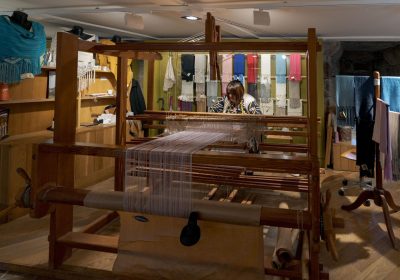
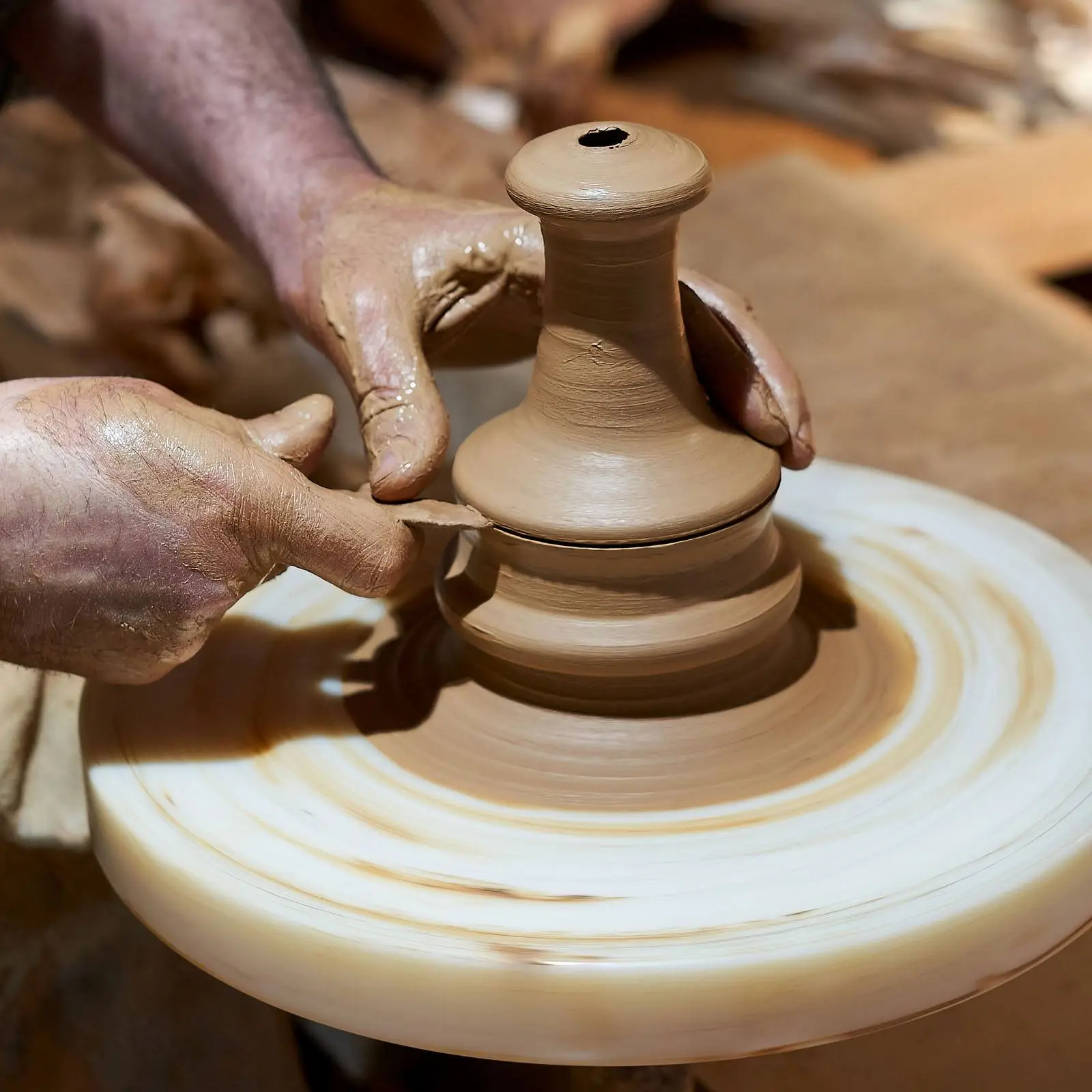
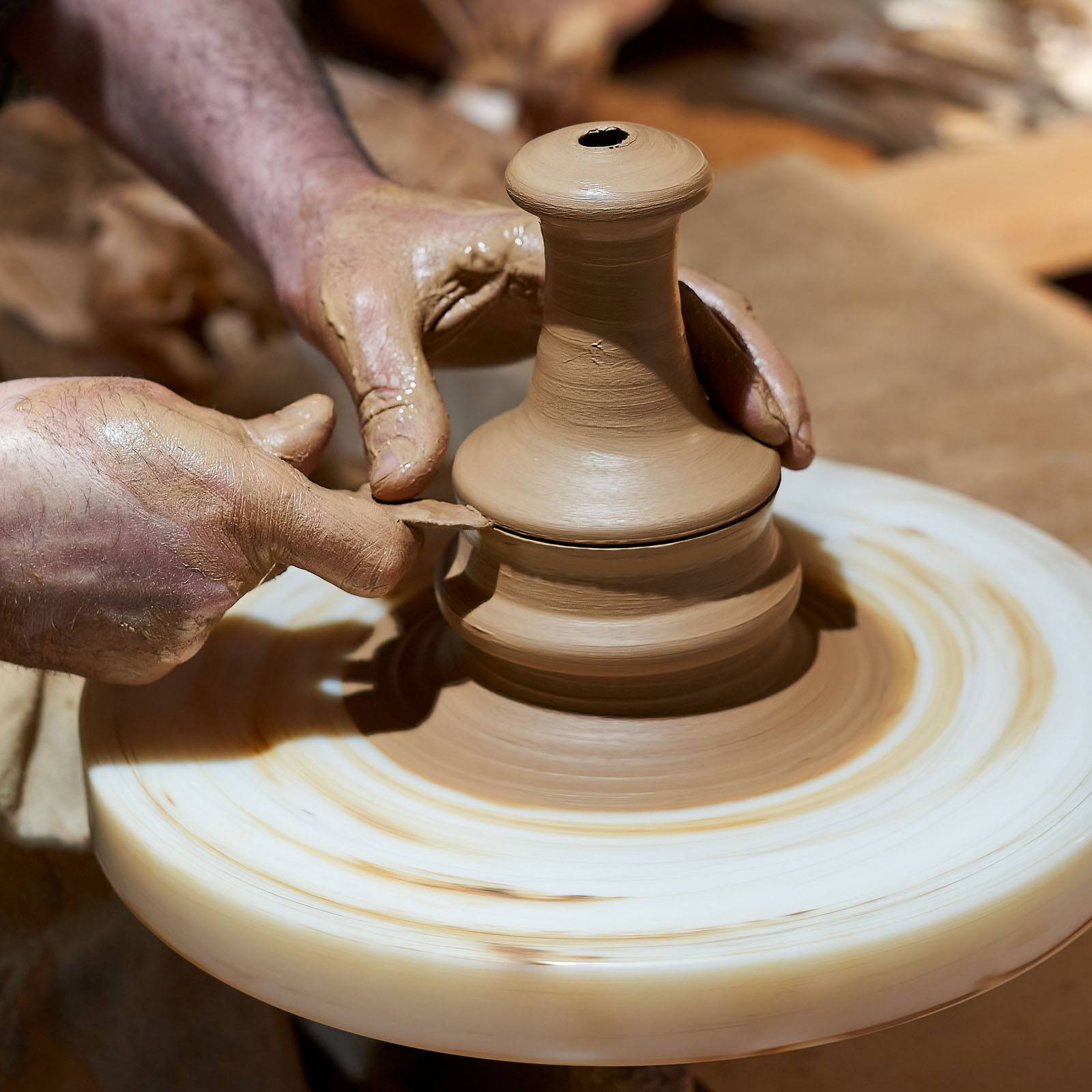
43. Elaboración dunha peza oleira de Buño

The town of Buño is known all over Galicia for its traditional pottery. The people of Buño may have engaged in this activity as far back as prehistoric times, when the first settlers in the area around Couto dos Barreiros discovered the rich deposit of clay that would allow them to make pottery.

The inhabitants of the nearby fortified settlements would certainly have used the raw material to make household utensils and, once they abandoned those places, they could have been the founders of the original Buño at the foot of Couto dos Barreiros, where today the Cruceiro das Cabras calvary and the parish church of Santo Estevo (dedicated to Saint Stephen) stand.

Later, the settlement moved to a higher, sunnier site, where the Santa Catalina hermitage (dedicated to Saint Catherine) and hospital were, creating the present-day town of Buño. Its inhabitants continued to engage in pottery, which was documented for the first time in the second half of the 16th century.

Over the years the number of potters increased and the population of the town grew. In the mid-18th century, there were 77 potters working in 63 workshops, when the population of Buño was around 500 people. Pottery continued to increase in the following century and into mid-20th century, when it began to die out due to the arrival on the market of industrially produced housewares.

The products of the artisan potters of Buño were sold at the open-air markets and in the market halls of the district and Galicia in general. They were distributed by muleteers from the Terra do Xallas region, called xalleiros. There is also evidence that pottery from Buño was exported by sea. Father Sarmiento noted that sailors from Moureira (Pontevedra) came to Buño to buy pottery, which they shipped out from the port of Ponteceso.

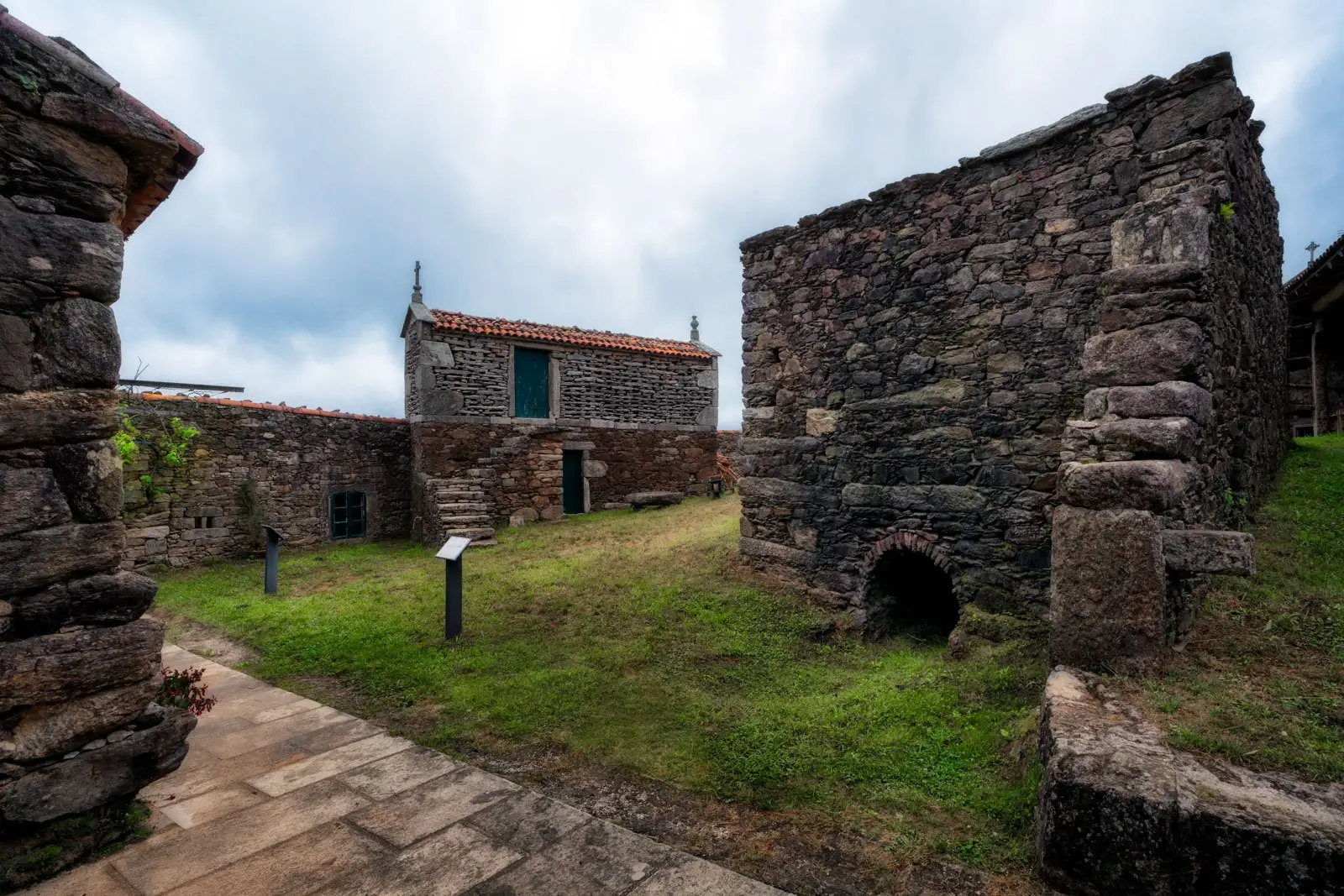
The pieces were thrown on a wheel and then fired in the communal kilns in the different neighbourhoods of the town. Communal work was needed to prepare the kilns very carefully and ensure that the batches were not ruined.

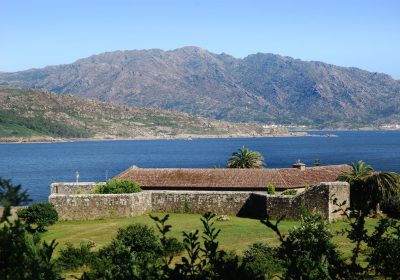
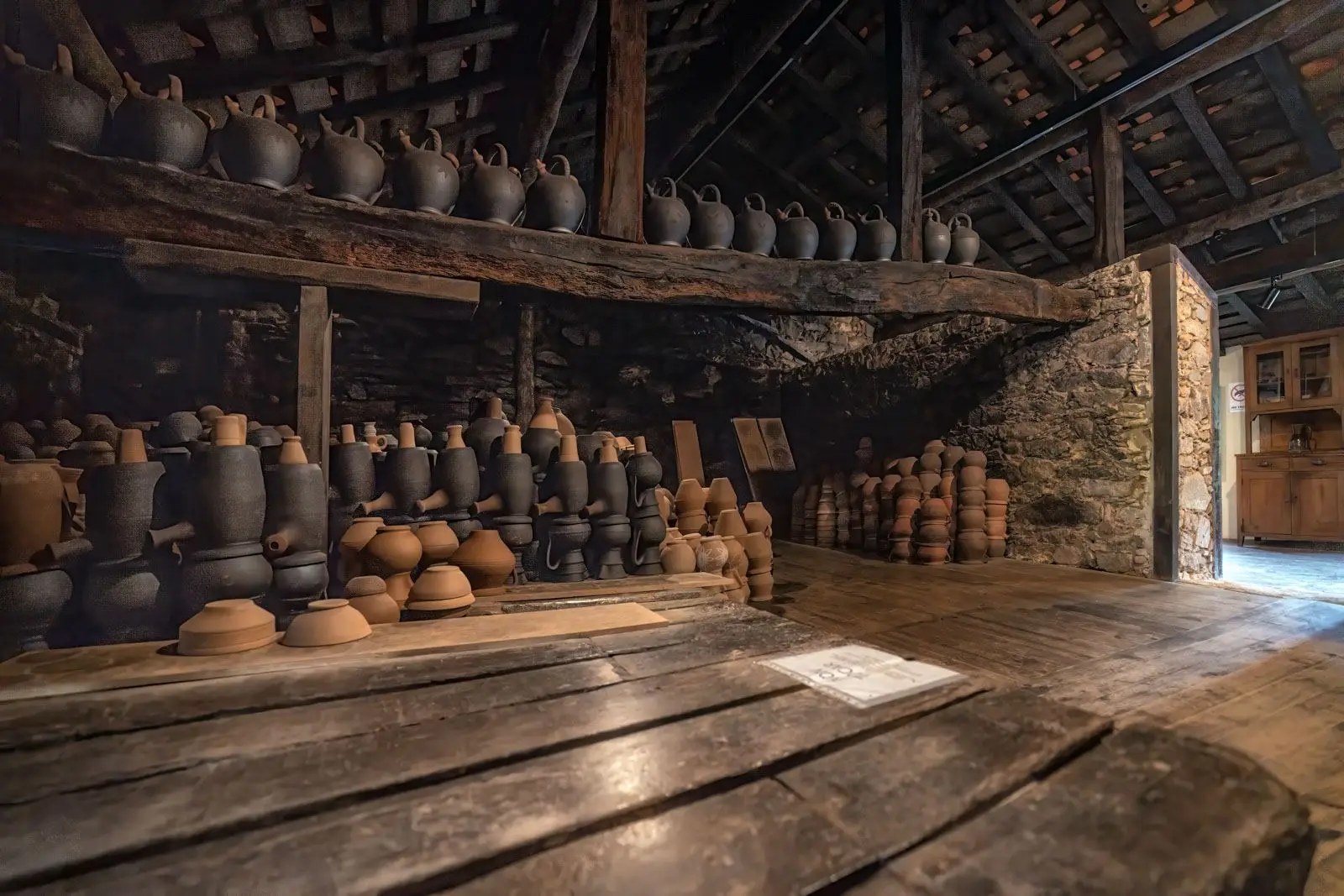
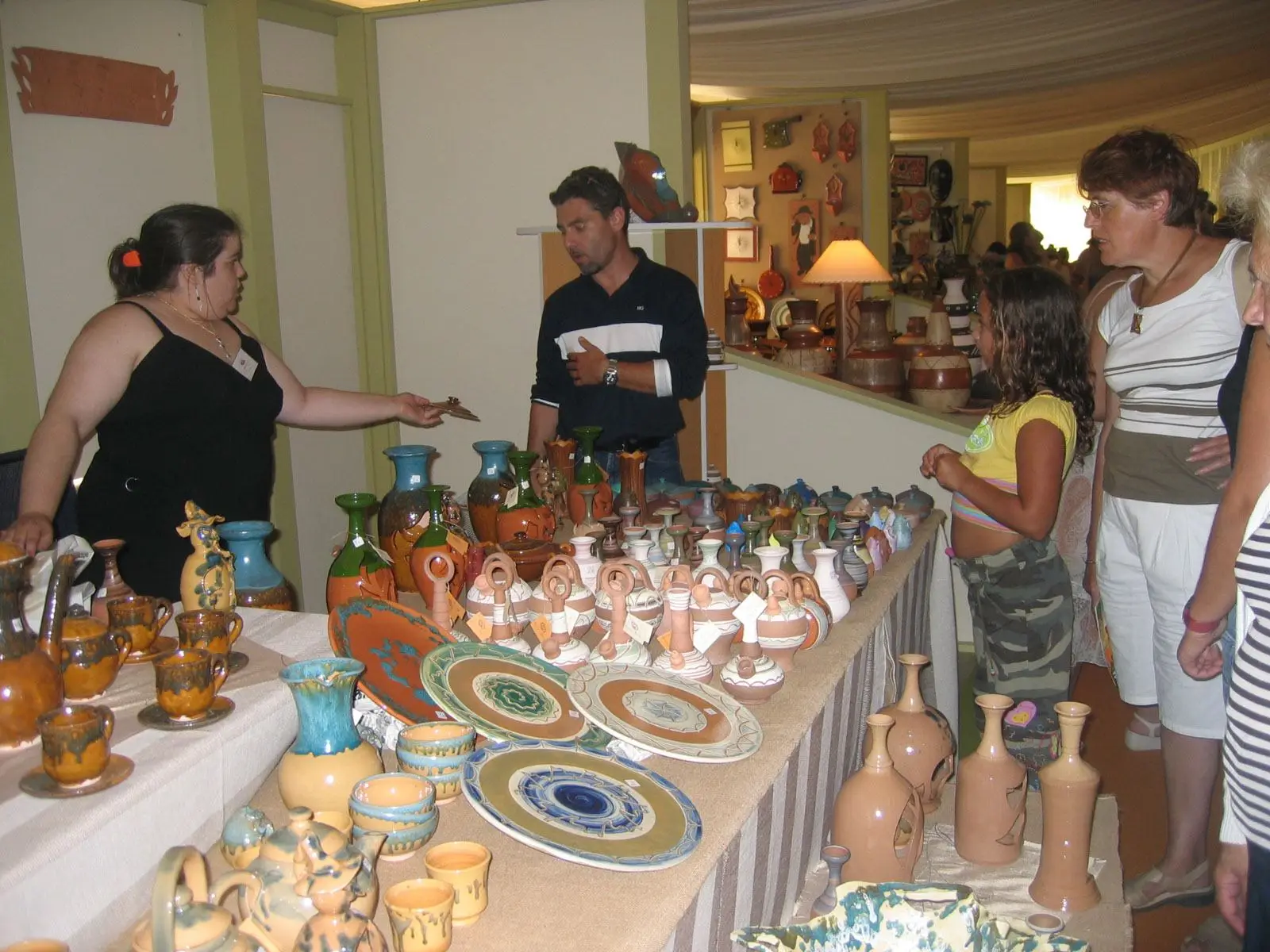
Recent social and economic changes have forced potters to use new designs and formats, intended to be decorative rather than functional, and to organise themselves into the Buño Pottery Association, which defends the profession and schedules the Mostra de Olería, or Pottery Show, that has been held in the town in the first two weeks in August since 1983. At the show, visitors have the opportunity to see a wide-ranging display of local pottery and to attend a varied programme of cultural activities linked with the event. During the rest of the year, it is possible to visit the Forno do Forte ethnographic complex, restored as a museum by the A Coruña provincial government and see how the potters lived in the 1950s.

Photo gallery of BUÑO, THE VILLAGE WHERE CLAY BECOMES ART

Discover the Costa da Morte on our blog

Blog Costa da Morte

CAPE TOURIÑÁN, THE LAST SUNSET IN EUROPE

In the 1920s, the Muxiá poet Gonzalo López Abente already considered Cape Touriñán to be the westernmost point in Galici...

RAZO AND BALDAIO, A MODEL OF NATURAL DIVERSITY

Few places on the coast of Galicia can boast a natural area with as much diversity as this one on the coast near Carball...

CAMARIÑAS, WHERE THE SEA BECOMES LACE

Camariñas is one of those towns with a very distinctive identity: simply saying its name immediately brings to mind the ...

CORISTANCO, THE LAND OF POTATOES

When someone mentions the name of Coristanco, the word “potato” immediately comes to mind, that edible tuber whose culti...

CORCUBIÓN, THE FEUDAL VILLAGE AND PORT OF THE ALTAMIRA ...

The town of Corcubión, today the main town of this small municipality, was the administrative centre of the domain over ...

MONTE PINDO, GALICIA’S CELTIC OLYMPUS

Monte Pindo, known locally as O Pedregal (the stony ground), is such a striking geographical accident that it cannot be ...

TRABA LAGOON AND BEACH, PURE NATURE

Along the coast of Costa da Morte you will come upon places with great environmental wealth and landscapes, true natural...

INSUA BAY, A BIRD SANCTUARY

Along the Costa da Morte there are many places that offer us the chance to enjoy nature from a scenic, geological, astro...

Photography tips for capturing birds in Costa da Morte

Today, we’re going to offer you some photography tips for capturing birds in Costa da Morte. Costa da Morte is a paradis...

VILÁN LIGHTHOUSE, THE CYCLOPS THAT SHINES EVERY NIGHT

At a time when no other coastal town in the area had electric lighting, the brilliance of the light of the Vilan lightho...

Upcoming events on the Costa da Morte

Find out instantly what activities await you on the Costa da Morte. Here you will find an up-to-date list of concerts, fairs, guided tours and shows that take place on the Costa da Morte. Don’t miss any event: experience the culture, sport and tradition of our region. And if you want to find out before anyone else, sign up for our newsletter and you will receive all the news in your email.

  • Monday
    8
    June

    Sacramento Festivities...

    The Sacramento Festivities 2026 in Paiosaco will take place on 6, 7 an...

  • Wednesday
    10
    June

    Rhythmic and aesthetic...

    The Concello de Muxía continues to support sport, culture and young lo...

  • Thursday
    11
    June

    Interim Evaluation For...

    The Interim Evaluation Forum of the GALP Costa da Morte Strategy will ...