CAMARIÑAS, WHERE THE SEA BECOMES LACE

Immerse yourself in Camariñas through “CAMARIÑAS, WHERE THE SEA BECOMES LACE”. A perfect primer: context, landscape, and key points—no filler. Tip: look out for vuelve.
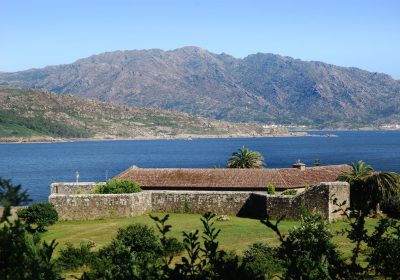
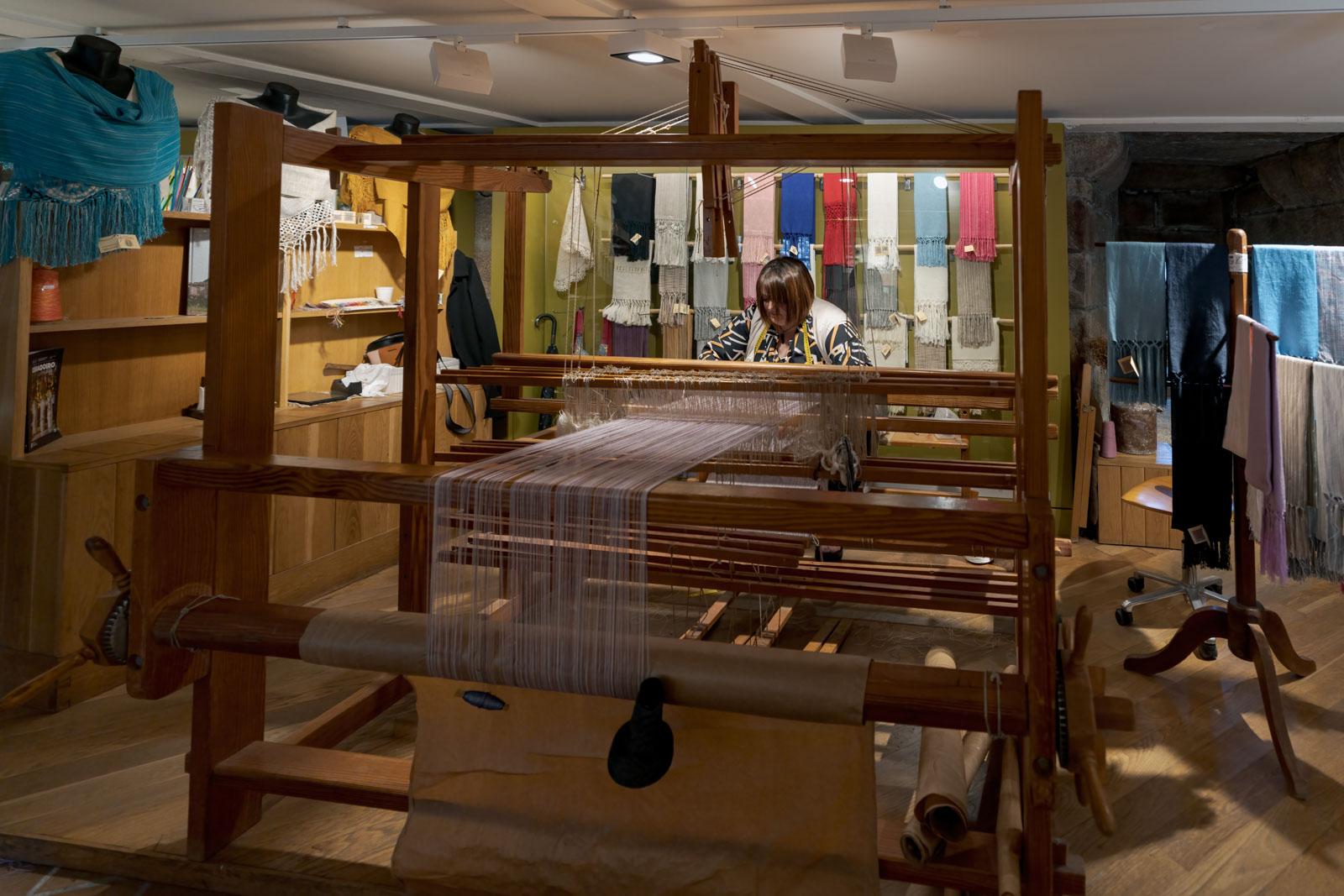
93. Mostra de artesanía do liño no interior do castelo

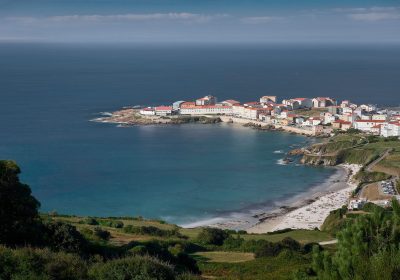
Camariñas is one of those towns with a very distinctive identity: simply saying its name immediately brings to mind the word lace, that delicate fabric crafted by the light, skilful hands of local artisans.

The origin of the town’s name comes from the shrub known as caramiña (Corema album), which used to grow on the dunes of the now-vanished beach where the settlement was founded. First came the parish of San Xurxo de Buría, further inland and agricultural, and later the seafaring town was established closer to the coast to take advantage of the sea’s resources.

The Moscoso family, from their stronghold in Vimianzo, imposed their rule over this harbour, which by the 15th century already stood out for its fishing and commercial activity. The sheltered beach of O Curveiro served as a landing place, frequented by vessels from other countries sailing along this coastline. Sardines and conger eel were the most commonly caught species in this estuary. By the mid-18th century there were two trincados, or galleons, devoted to sardine fishing; once salted, the catch was exported to the Basque Country.

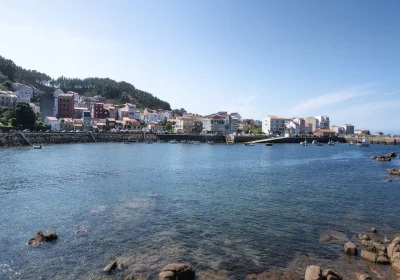
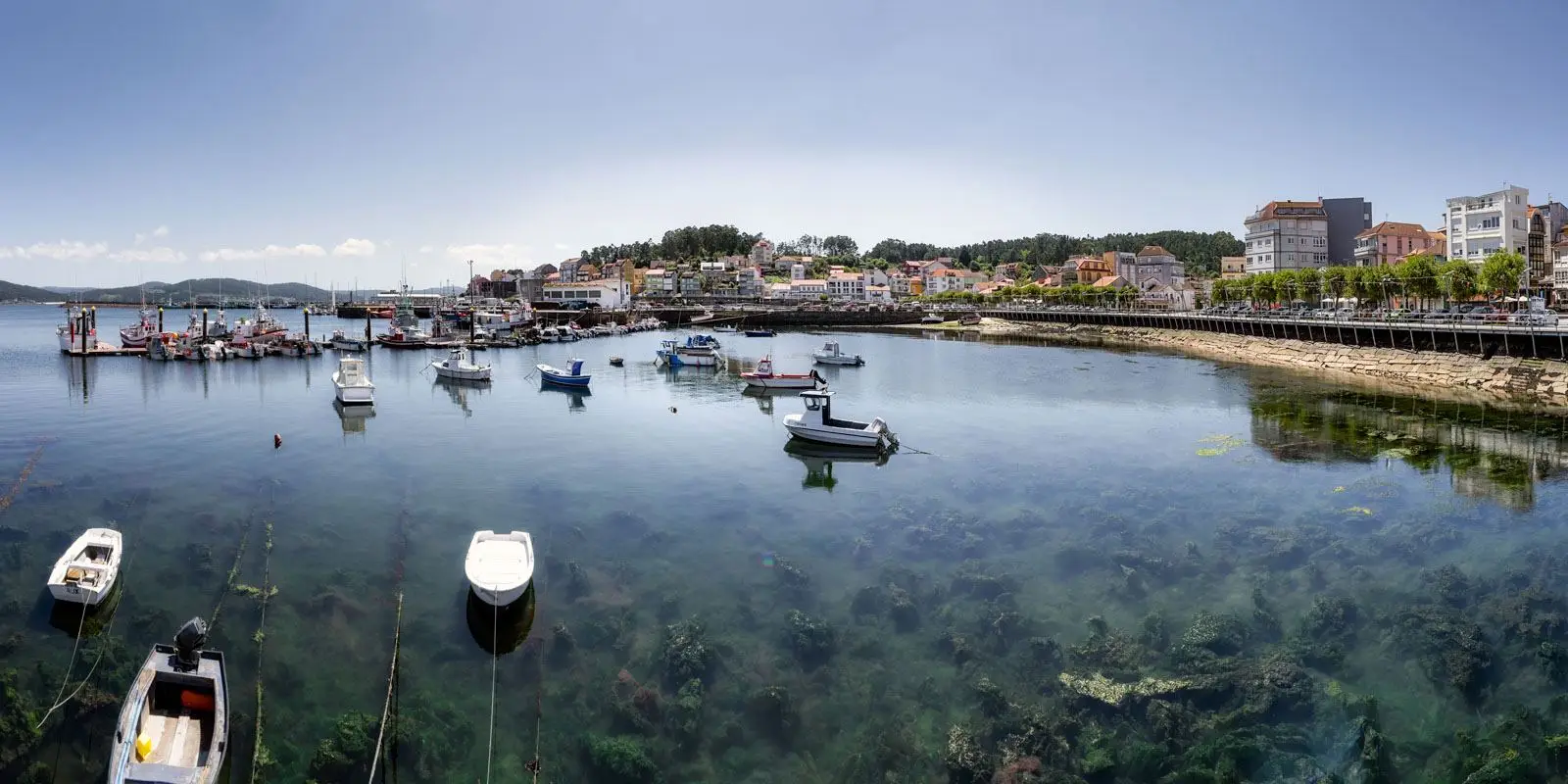
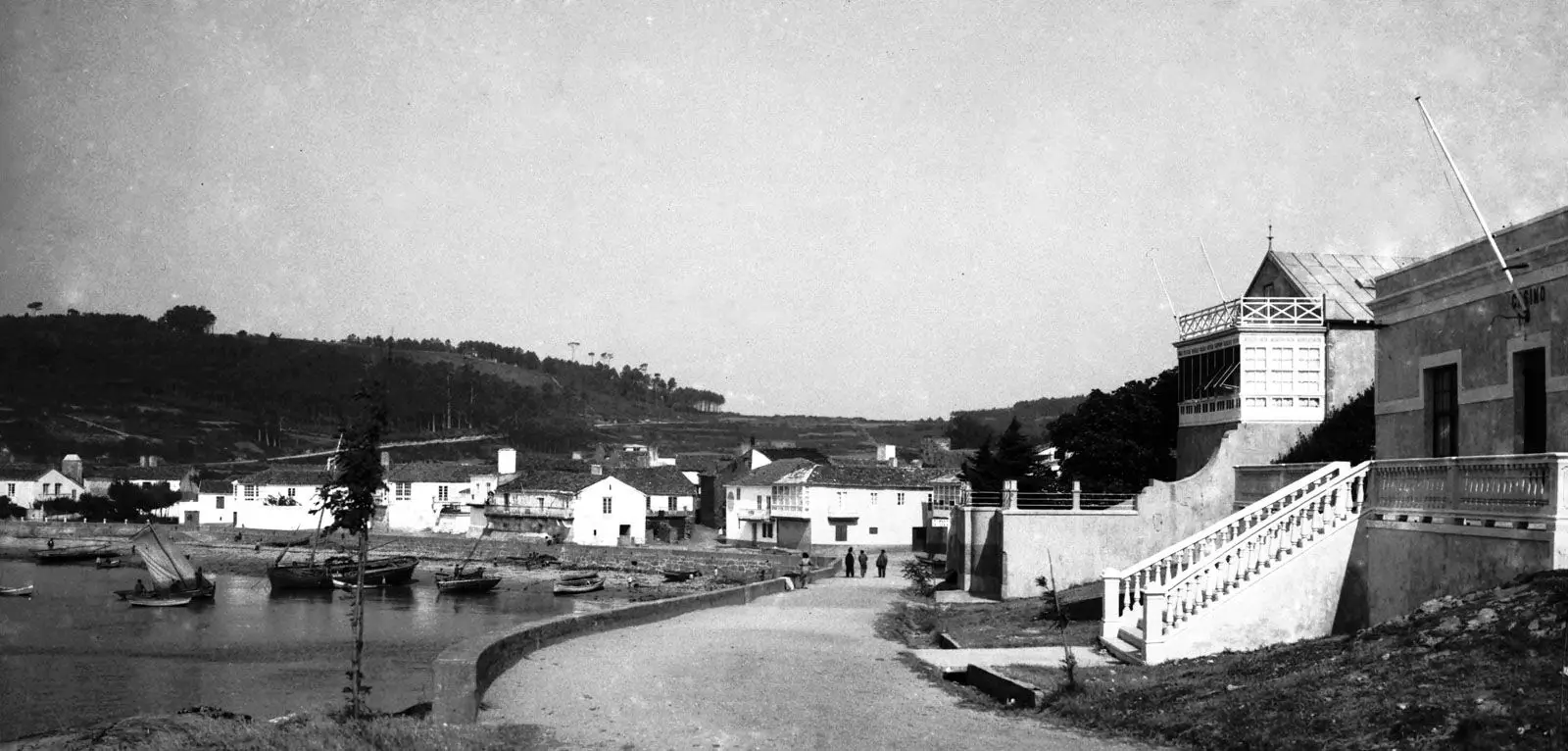
In the early years of the 20th century, Camariñas was a fishing town with a harmonious streetscape: houses with balconies or glazed galleries, painted white, and narrow streets leading down to the harbour. There were hardly any buildings that disrupted that balance of height and colour. The parish church and the windmill stood out on the higher ground. Fishing was the main activity, complemented by maritime trade. From its port, salted sardines, timber and cereals were exported, while manufactured goods and a variety of food products were imported.

That urban character began to change in the 1970s and 1980s, when new constructions replaced traditional architecture, giving the town the look we see today. Camariñas now appears as a more modern town, though without the charm it once had—of white houses or colours in harmony with its boats.

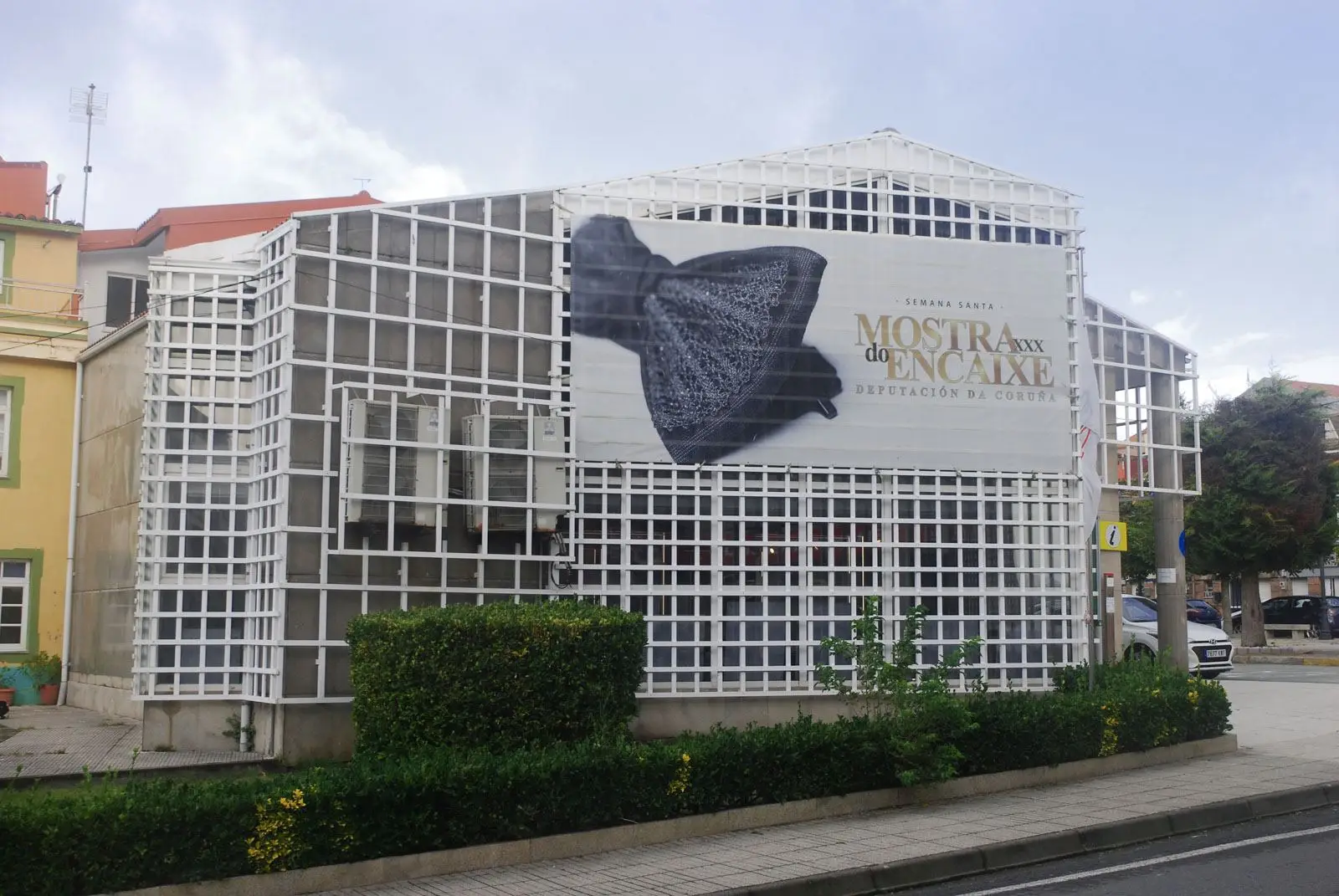
There are several attractions that Camariñas offers visitors. First of all, it is the lace capital of Galicia, which allows any traveller to discover this craft and learn its story at the Lace Museum, or to see it being made in real time—by watching a lacemaker in the street or visiting one of the municipal training schools. If you visit during Holy Week, you’ll come across the biggest display you can imagine at the Mostra do Encaixe, held every year around that time since 1991.

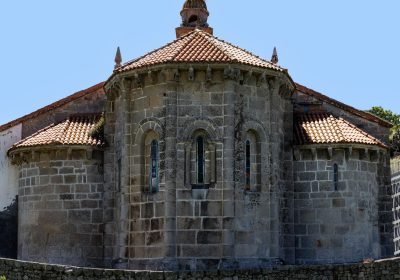
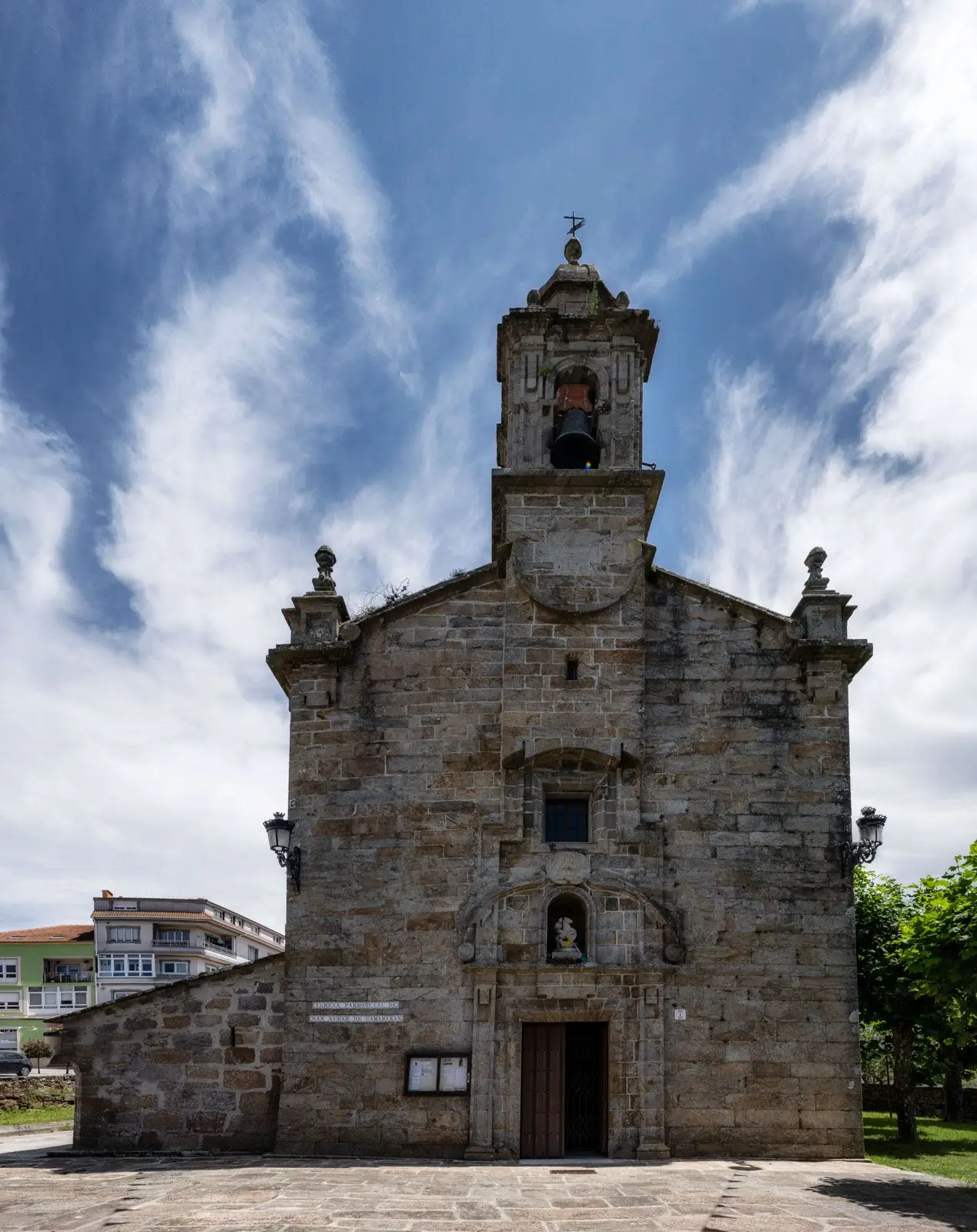
Visitors with a stronger interest in history or art can explore the ruins of the Castelo do Soberano, a fortress built in the mid-18th century, or visit the parish church of San Xurxo, a notable building both for its architecture and for the altarpieces it houses inside.
Photo gallery of CAMARIÑAS, WHERE THE SEA BECOMES LACE

Discover the Costa da Morte on our blog

Blog Costa da Morte

Tourist Information Points in Costa da Morte 2025: your...

Planning your holiday on the Costa da Morte? With the 2025 Guide to Tourist Information Points in Costa da Morte, you’ll...

CORME, THE TOWN WHERE GOOSE BARNACLES PUT ON THEIR FINE...

Corme Porto owes its existence to the favourable conditions in the bay on which the port is located, allowing the popula...

VILÁN LIGHTHOUSE, THE CYCLOPS THAT SHINES EVERY NIGHT

At a time when no other coastal town in the area had electric lighting, the brilliance of the light of the Vilan lightho...

CAIÓN, A TOWN BY THE SEA

Travellers who want to get to know the town of Caión should see it first from afar, from one of the lookout points, befo...

THE VAKNER, THE ENIGMATIC BEAST ON THE WAY TO FISTERRA

Many pilgrims and travellers who have come to Galicia throughout history have left accounts of their journeys, which all...

MENS, A LAND OF MONKS AND NOBLEMEN

The parish of Santiago de Mens, some 6 km from Malpica on the DP-4307 road to Ponteceso, has preserved two of the m...

MONTE PINDO, GALICIA’S CELTIC OLYMPUS

Monte Pindo, known locally as O Pedregal (the stony ground), is such a striking geographical accident that it cannot be ...

MAZARICOS WATERFALLS, WATER AS AN ART FORM

The municipality of Mazaricos cannot offer visitors a marine landscape, as it has no coast, but it does have ideal condi...

CAMELLE, WHERE MAN IS OMNIPRESENT

Until a few years ago, Camelle, was a small seafaring village on the left-hand side of the bay that bears the same name....

Flavours of the Atlantic: the gastronomy of Costa da Mo...

The Costa da Morte is a destination that captivates with its wild landscapes, its imposing lighthouses and its rough sea...

Upcoming events on the Costa da Morte

Find out instantly what activities await you on the Costa da Morte. Here you will find an up-to-date list of concerts, fairs, guided tours and shows that take place on the Costa da Morte. Don’t miss any event: experience the culture, sport and tradition of our region. And if you want to find out before anyone else, sign up for our newsletter and you will receive all the news in your email.

  • Monday
    8
    June

    Sacramento Festivities...

    The Sacramento Festivities 2026 in Paiosaco will take place on 6, 7 an...

  • Wednesday
    10
    June

    Rhythmic and aesthetic...

    The Concello de Muxía continues to support sport, culture and young lo...

  • Thursday
    11
    June

    Interim Evaluation For...

    The Interim Evaluation Forum of the GALP Costa da Morte Strategy will ...